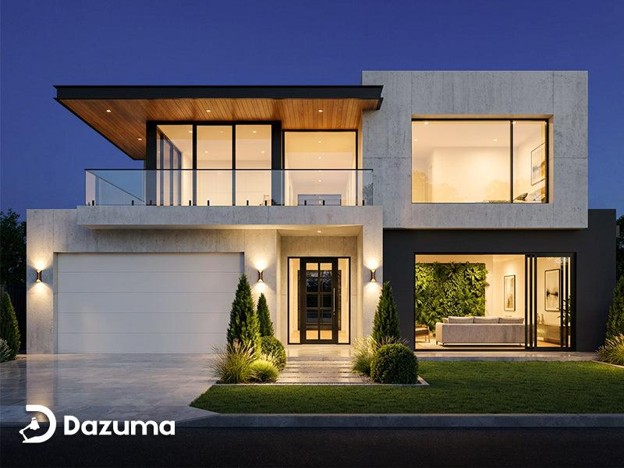
A deck or patio does not need new furniture, expensive flooring, or a complete renovation to feel more stylish. Once the sun goes down, lighting becomes the feature that determines whether the space looks warm and inviting or dark and unfinished.
A few carefully positioned lights can define the edges of a deck, make steps easier to see, and create a comfortable setting for outdoor dining or evening conversations. The most polished results usually come from combining practical lighting with softer decorative effects rather than relying on one overly bright fixture.
Layered lighting can define deck edges, illuminate steps, and create a more welcoming outdoor atmosphere.
Begin With the Deck Edges and Railings
Deck posts, fence posts, railings, and gate entrances naturally define the shape of an outdoor space. During the day, these features are easy to see, but they may disappear into darkness at night. Lighting them gently can make the deck feel safer while also giving it a more complete appearance.
Solar Post Cap Lights offer a simple way to add illumination to the tops of deck, fence, and gate posts. Because the fixtures become part of the structure, they can provide a neat finishing detail without adding visible cables around the outdoor area.
They work especially well when installed at regular but not excessive intervals. Lighting every single post may make a small deck feel too busy, while selecting corners, entrances, and changes in direction creates a cleaner result.
Add Hidden Light Beneath Steps
Deck steps are one of the most important areas to illuminate. Even a small change in level can become difficult to see after sunset, particularly when the deck and stairs are made from similar materials.
Concealed lighting beneath stair edges can provide useful visibility without placing a large fixture directly in view. The light should reveal the shape of each step rather than shining into people’s eyes.
This technique also adds a modern visual effect. A soft line of light beneath the stairs makes the structure appear lighter and more carefully designed, especially when viewed from the garden or patio.
Use LED Strips to Highlight Clean Architectural Lines
Linear lighting is useful anywhere the deck has a defined edge or built-in feature. It can be placed beneath benches, handrails, outdoor counters, pergola beams, or the lower edge of a raised platform.
Outdoor LED Strip Lights can follow these lines and create a continuous glow without introducing several separate fixtures. This makes them particularly suitable for contemporary decks, outdoor kitchens, covered patios, and built-in seating areas.
The best results come from hiding the strip itself. Installing it behind a lip, beneath a surface, or inside a suitable channel helps diffuse the light and prevents individual LEDs from becoming distracting.
Create a Comfortable Dining Area
Outdoor dining areas need enough illumination for food, drinks, and conversation, but excessive brightness can remove the relaxed atmosphere. Instead of aiming one powerful light directly at the table, use lighting around the surrounding structure.
Post cap lights can define the perimeter of the deck, while concealed LED lighting can brighten counters, steps, or seating edges. This indirect approach provides visual guidance while allowing the dining table to remain comfortable.
Warm white lighting generally works well around timber, brick, stone, greenery, and outdoor furniture. Keeping the colour temperature consistent across the main fixtures also helps the space look coordinated.
Avoid Overlighting the Space
More fixtures do not automatically make a deck look better. Too much brightness can flatten the space, create glare, and make neighbours or people sitting nearby uncomfortable.
Start with the practical areas: entrances, steps, deck edges, and changes in level. Then add decorative lighting only where it supports the design. Leaving some darker areas around the deck helps create contrast and makes the illuminated features stand out more clearly.
Lights should also be directed away from bedroom windows and neighbouring properties. A well-designed outdoor space should feel comfortable from inside the home as well as outside.
Choose Products Designed for Outdoor Conditions
Exterior lighting must handle rain, dust, insects, temperature changes, and regular exposure to sunlight. Fixtures and electrical components should therefore be suitable for the exact location where they will be installed.
Solar panels should be positioned where they can receive adequate daylight rather than beneath dense planting or permanent shade. LED strips require suitable outdoor protection, secure mounting, and carefully planned connections. Where electrical work is required, professional installation can help ensure that the system is safe and dependable.
Final Thoughts
Outdoor lighting is one of the easiest ways to make a deck feel more polished without rebuilding the entire space. Solar post cap lights can define posts, gates, and railing corners, while concealed LED strip lighting can highlight steps, benches, counters, and architectural edges.
The best result comes from balance. Focus on the places people use most, keep visible glare under control, and allow shadows to remain part of the design. With a thoughtful lighting plan, even a simple deck can feel safer, warmer, and considerably more expensive after sunset.



Be First to Comment