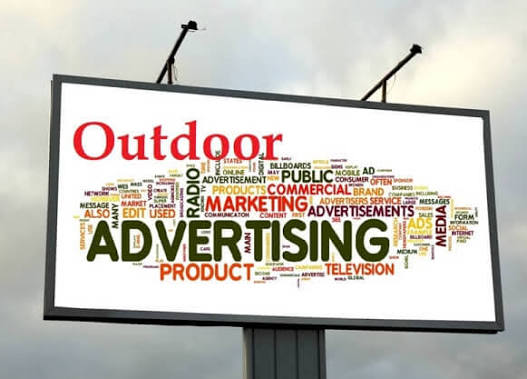
A media proposal can look convincing while leaving important decisions unresolved. Locations, creative requirements and reporting terms all need a shared interpretation. When selecting an outdoor advertising company in Dubai, a buyer benefits from a clear brief and consistent questions. Blue Ad operates across several outdoor formats, making the purpose of each proposed placement a useful starting point. Define the intended audience, the message and the delivery process before buying. This creates a practical basis for comparing a proposal with the business need.
Write the Brief before Requesting Options
Begin with the business situation that prompted the enquiry. Explain whether the campaign supports a launch, a new location or continuing brand activity. Describe the intended audience in useful terms, including relevant journeys or destinations. Add the proposed dates and any commitments that influence them.
Keep assumptions visible. A business may believe a particular road reaches its customers, but the reasoning should be stated. A preference can then be discussed against available inventory and viewing conditions. Include any restrictions on creative development, internal approvals or production. Those constraints affect the solution. A precise brief saves time because proposals can respond to the same set of requirements.
Understand the Role of the Media Partner
Establish which parts of the project the organisation will deliver. Media ownership, media planning, creative design, production and campaign measurement are different responsibilities. A business may combine several of them within one agreement, but the scope needs to be explicit. Ask who controls the inventory and who will coordinate the work if another supplier is involved.
Blue Ad describes its outdoor media portfolio on its website. Use that information to start a discussion about the assets relevant to the brief. Then confirm the current offer in writing. A company profile provides context, while the proposal should identify the actual service being purchased. This distinction makes it easier to assign decisions and resolve questions during campaign preparation.
Name the Person Responsible for Each Decision
Agree who can approve locations, artwork and scheduling changes. Identify the contact for delivery issues as well. Clear ownership matters when a campaign involves several departments. A familiar contact should still be backed by written responsibilities that another team member can understand.
Research perspective — Richard Shotton warns against assuming others share marketers’ habits. For supplier selection, test audience assumptions with evidence beyond the buying team.
Examine the Placement behind the Address
A location name is a useful reference, but it cannot replace a view of the actual asset. Request recent photographs, the display dimensions and the relevant approach direction. Understand whether the intended audience travels past the site, waits nearby or encounters it from another setting. Each situation places different demands on the creative.
Ask how surrounding conditions may affect visibility. Nearby structures, landscaping and other signs deserve consideration. An assessment should explain why the selected placement serves the brief. If a proposal contains several locations, seek a role for each one. This helps the buyer assess whether the campaign offers useful coverage or simply accumulates assets with similar characteristics. A coherent plan should remain understandable without relying on impressive location names.
Compare Proposals on the Same Basis
Two proposals can describe similar formats while including different deliverables. Confirm the booking dates, the placement or inventory category and the creative requirements. For digital media, ask for the agreed scheduling conditions and relevant reporting. For static formats, clarify production, installation and removal.
Avoid treating a headline price as a complete project cost. Request a clear explanation of included work, optional services and any charges that could arise. This is a procurement question, not a prediction that additional costs will occur. Written clarification helps both parties understand the agreement. It also gives the finance and marketing teams a common basis for approval.
Define What Happens When Plans Change
Discuss postponement, replacement artwork and changes to the message before the campaign starts. Ask which changes require a revised quote or a new approval. Record the relevant deadlines. This allows the buyer to assess operational flexibility alongside the initial media proposal.
Check the Creative Process Early
Find out whether the team will receive a finished advertisement or needs design support. A media booking does not automatically answer that question. The buyer should understand who adapts the concept to each format and who checks the technical files. The final approval should cover the correct brand, message, dates and destination.
The creative discussion also needs to consider the viewing environment. Artwork designed for a close-up presentation may contain too much detail for a roadside placement. Ask how the concept will be reviewed at realistic scale. Allow time to simplify the execution, correct technical issues and secure internal agreement before production.
Research perspective — Orlando Wood connects creative style with the kind of attention sought. Applied here, the brief should explain the communication task before execution.
Agree How Delivery Will Be Demonstrated
Reporting needs to be defined before the purchase. Ask what evidence will be available and when the buyer will receive it. Installation photographs, scheduling confirmations and playback records answer different questions. The proposal should explain which materials relate to the selected format. It should also identify the process for reporting an apparent delivery issue.
When discussing a campaign with Blue Ad, request the reporting terms for the specific assets under consideration. Avoid assuming every format produces an identical report. A buyer also needs to understand whether audience figures are estimates, how they were developed and what they represent. Clear definitions help colleagues distinguish a media metric from a confirmed business outcome.
Keep Supporting Evidence Accessible
Store the approved proposal, final artwork and delivery records together. Include the campaign dates and the contact responsible for questions. This creates a useful record for future planning. It also prevents a campaign review from depending on information held by a single colleague.
Ask Useful Questions about Measurement
A credible evaluation begins with the campaign objective. If the purpose is recognition, immediate online purchases may provide only part of the picture. If the campaign directs attention towards a local opening, relevant enquiries and store activity may deserve examination. The buyer should decide which evidence can be collected realistically before the advertising appears.
Ask the partner to separate placement delivery, estimated audience exposure and business response. A change in website activity can also reflect search advertising, publicity or a commercial offer. A useful partner can discuss those limits clearly. The buyer can then commission an evaluation that informs decisions without relying on unsupported attribution.
Research perspective — Mike Follett argues that attention models improve through validation against outcomes. Applied here, ask how an estimate was tested and interpreted.
Select for a Workable Relationship
The final choice should consider whether the proposal is understandable and the responsibilities are practical. Assess how clearly the partner answers questions about locations, creative and delivery. The team needs a reliable way to handle approvals, replacements and unexpected issues.
Approach the media partner with a structured brief covering those requirements. The useful outcome is a proposal that connects the objective to specific media choices and explains the work involved. Keep the written agreement and the working calendar aligned. Clear responsibilities give the marketing team more time to assess the message during launch preparation.
Turn the Agreement into a Working Plan
Schedule the next approval and confirm what each party needs to provide. Share the plan with the colleagues handling design, finance and customer enquiries. This makes the booking part of a coordinated campaign.
Supplier selection works best when the buyer can connect each commercial term to a practical responsibility. A clear brief, comparable proposals and agreed reporting help create that connection. They also make later campaign decisions easier to explain within the business.
Companies preparing an outdoor brief can explore BlueAd and request current media options against their requirements. The discussion should leave the team with understood locations, a defined scope and a realistic route from approval to delivery.
Alex Reed — editorial pseudonym, advertising features writer





Be First to Comment