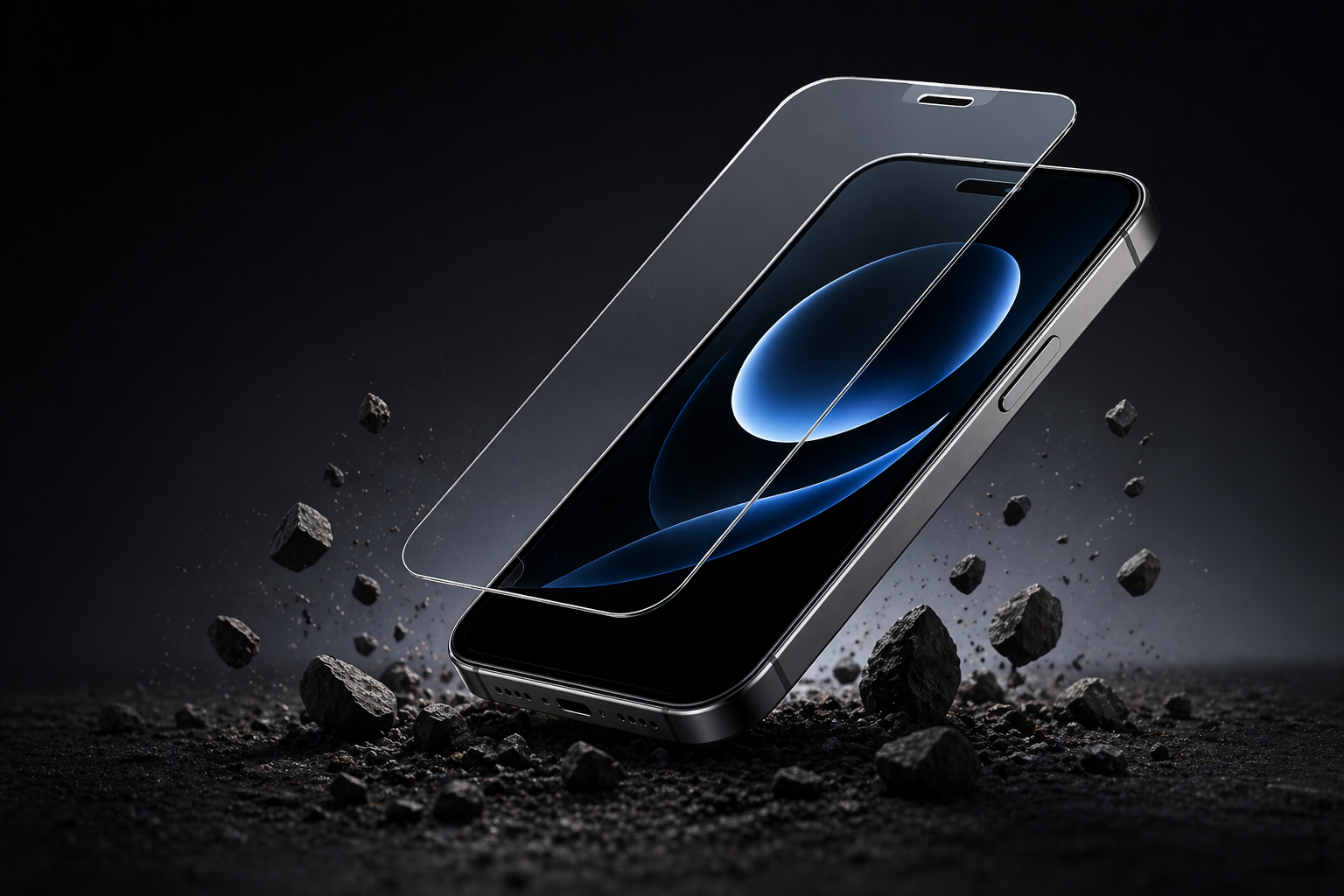
You’ve just bought the iPhone 16. The finish feels premium, the display is stunning, and for the first few days, you handle it with almost unnatural care. Placing it gently, avoiding rough surfaces. Wiping the screen more often than usual.
And then comes the inevitable question – what’s the best way to protect it?
Some suggest a flexible film. Others swear by glass. And suddenly, you’re stuck between two options that seem similar but behave very differently: tempered glass and TPU film.
If you’re choosing between them, especially for a device like this, the decision deserves a closer look.
Understanding the Basics First
A TPU film – often referred to as an iPhone screen protector glass alternative – is a thin, flexible layer made from thermoplastic polyurethane. It’s lightweight, bendable, and designed primarily to resist scratches.
Tempered glass, on the other hand, is real processed glass. It goes through thermal and chemical strengthening to increase durability, making it capable of handling both scratches and impact.
At a glance, TPU feels minimal. Tempered glass feels solid. But the real difference shows up not in how they look – but in how they perform.
Protection: The Moment That Matters
Let’s talk about the scenario that actually tests your screen protector – a drop. It doesn’t have to be dramatic. Even a short fall from your hand or a slip off a table can create enough impact to damage your screen.
A TPU film absorbs very little of that force. It bends, flexes, and survives – but your screen takes the hit.
Tempered glass behaves differently. A well-made iPhone 16 tempered glass is designed to absorb and distribute impact. It acts as a buffer, reducing the force that reaches your display. In many cases, the glass itself cracks.
And that’s exactly the point. It takes the damage, so your screen doesn’t have to.
The Feel of Everyday Use
Protection is important, but what you feel every day matters just as much.
A TPU film tends to have a slightly rubbery texture. Over time, it can develop drag, making swipes feel less fluid. Fingerprints cling to it more easily, and the surface can start to feel worn.
Tempered glass, when done right, feels almost identical to your original screen. Smooth swipes. Clean taps. No resistance. It preserves the natural experience of using your phone – something you start appreciating more with time.
Clarity: The Subtle Difference You Notice Later
The iPhone 16 display is built for clarity and colour accuracy.
A TPU film can slightly diffuse that experience. It may introduce a faint haze or reduce sharpness, especially under bright light.
Tempered glass maintains crystal-clear transparency, allowing your display to look exactly the way it was designed to.
It’s not a dramatic difference on day one. But over weeks of use, it becomes hard to ignore.
Durability Over Time
TPU films have one advantage – they’re flexible. Minor scratches can self-heal to an extent. But they also:
- Wear out faster
- Lose smoothness
- Start peeling at the edges
Tempered glass is more consistent. A good iPhone 16 tempered glass resists scratches, maintains its clarity, and stays intact for longer periods. And when it does fail, it fails usefully – by absorbing impact instead of transferring it.
Installation: Where Experience Begins
Applying a screen protector can be unexpectedly stressful.
TPU films are flexible, which makes them tricky to align perfectly. Bubbles, dust, and slight misplacements are common.
Tempered glass, especially when paired with an applicator system, offers a more controlled, bubble-free installation. Once placed correctly, it settles cleanly onto the screen.
And when the fit is right, everything else works better – from touch to durability.
Where RhinoTech Brings It All Together
Choosing between TPU and tempered glass is one part of the decision. Choosing the right quality is the other.
The RhinoTech Genuine Tempered Glass – Engineered by Corning™, is designed to deliver both protection and experience without compromise.
It offers:
- 5x more shock resistance, built for real-world drops
- Superior clarity, preserving the display’s original quality
- Smooth touch response, enhanced with an oleophobic coating
- Anti-microbial glass, keeping the surface cleaner
- Dust-free, bubble-free installation with an applicator kit
It’s also rigorously tested in real-life scenarios, ensuring it performs reliably in everyday Indian conditions. And with fog marking for authenticity, you can be sure you’re using a genuine product – something that matters more than most people realise. To add to that, a free replacement on breakage for up to one year reflects a level of confidence that goes beyond standard offerings.
Final Verdict
If your priority is minimal protection and a barely-there layer, a TPU film can do the job. But if you’re looking for:
- Real impact protection
- A smooth, premium touch experience
- Long-term durability
- Clarity that stays consistent
Then tempered glass is the better choice.
Because protecting your phone isn’t just about avoiding scratches. It’s about preserving the experience you invested in.



Be First to Comment