The ACCA syllabus is crafted with the aim of equipping finance professionals with the required skills and knowledge on how to recognize, assess and control risks associated with changing environments in the international world of business. The inclusion of subjects such as Financial Management, Strategic Business Leader (SBL), Audit and Assurance and Strategic Business Reporting (SBR) ensures that students get adequate knowledge on risk assessment and management.
With the presence of risks associated with cybersecurity, technology, regulation, and finance issues, it has become important for finance professionals to be equipped with risk management skills. This is achieved through ACCA qualification training, which equips students with technical knowledge and ability to think strategically and ethically when dealing with business situations. Students studying through business cases and practical examples learn how to manage risks effectively.
How Can ACCA Syllabus Help In Building Effective Risk Management Skills In 2026?
1. Develops a Strong Understanding of Business Risks
ACCA syllabus offers an insight into different kinds of risks that exist in the world of businesses, such as operational risk, strategic risk, financial risk, reputational risk, and compliance risk. With subjects such as Business and Technology and Strategic Business Leader, one learns about the influence of risks on the operations of business organizations.
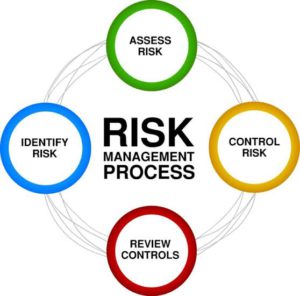
The students understand how to identify risk factors, assess the consequences of those risks, and suggest suitable measures to mitigate those risks. Such knowledge helps finance professionals of the future be effective risk managers.
2. Strengthens Financial Risk Assessment Skills
Financial risk management is a key component of ACCA curriculum! Students are aware of the factors that may affect business risks, for example, market conditions, interest rates, exchange rates and liquidity problems.
Through analyzing practical examples and case studies, learners gain skills to analyze financial risks and propose relevant control measures. Such skills become very useful for organizations that need people to secure their financial stability in changing markets.
3. Enhances Internal Control and Governance Knowledge
Good governance and control are some of the vital areas of risk management. The ACCA syllabus concentrates on the importance of having an effective control structure, governance and accountability framework that will meet the organizational objectives.
The students learn about the role of internal controls in avoiding fraud, compliance failures and errors. They also get to know the ways in which the management and the board of directors conduct risk management processes.
4. Improves Decision-Making Through Risk Analysis
Risk management requires balancing both opportunities and threats when making important decisions. The ACCA certification offers students with the analytical skills that would enable them to weigh the risks against the potential gains.
The use of strategic case studies and simulations allows the learners to gain experience in evaluating different situations and suggesting solutions from the perspective of the risks involved. It will be an essential skill that is useful in making decisions in contemporary organizations.
5. Builds Expertise in Regulatory Compliance
The operating environment of organisations is characterized by a number of regulations, therefore compliance risk management is an important business function. The ACCA qualification includes knowledge of accounting regulations, ethics, corporate governance and financial regulations which organisations should comply with.
This gives students a good insight into the obligations of compliance and the implications for non-compliance. Such knowledge will enable future professionals to spot compliance risks and help organizations in maintaining compliance.
6. Strengthens Audit and Assurance Capabilities
Audit is a very important aspect in risk identification and assessment within an organization. According to ACCA syllabus, Audit and Assurance modules have been introduced that train candidates on how to perform control environment assessment, where they can spot risky areas and measure the efficiency of risk management processes.
This allows them to use their knowledge of being skeptical, gathering and communicating evidence in order to help in detection of risks before they become major problems.
7. Promotes Ethical and Strategic Risk Management
Ethical conduct is closely associated with effective risk management! ACCA qualification places significant emphasis on professional ethics, transparency, integrity and responsible decision-making via certification journey.
Students learn how ethical failures can create substantial financial and reputational risks for the organisations. With the help of combining ethics and strategic knowledge about business, ACCA candidates get ready to face risks in a responsible way and support sustainable business development in an increasingly complicated globalized world.
Conclusion
The ACCA syllabus gives ACCA candidates in-depth knowledge of risk management, combining technical knowledge, principles of corporate governance, strategy, business applications and financial analysis. From risk identification to creation of mitigation strategies, this accreditation gives finance professionals of tomorrow all necessary skills to work with risks, make informed decisions and support organizational resilience.
Do you want to have future-proof finance and risk management skills? Contact the Zell Education experts and learn everything you need to know for your career in modern finance.
FAQs
1. How does ACCA assist students in identifying business risks?
The syllabus educates students about how to identify operational, strategic, financial and compliance risks to organizations.
2. Are risk management skills beneficial outside finance functions?
Yes, risk management skills are helpful in operations, consulting, audit and compliance professions.
3. How does ACCA train students on regulatory compliance risks?
It trains students in areas such as corporate governance, ethics and compliance.




Be First to Comment