The increasing global temperatures have made it essential for homeowners to seek efficient ways to keep their living spaces cool. Traditional air conditioning can be costly and environmentally taxing, prompting a shift towards more sustainable solutions. One promising approach is to optimize shading around your home, which not only reduces heat gain but also enhances aesthetic appeal.
Natural Shade with Trees
Planting trees around your home is one of the most effective natural ways to provide shade. According to a study, a significant 95% of Americans acknowledge that trees contribute positively to their communities by offering shade, improving air quality, and ensuring privacy. This underlines the importance of investing in tree care and planting as a sustainable way to mitigate home heating from direct sunlight.
Trees function as natural air conditioners by obstructing direct sunlight from windows and roofs. Placing trees strategically around your home can help lower the temperature indoors, which consequently eases the dependence on mechanical cooling methods. The shade cast by these trees not only brings down heat but also creates a serene outdoor space that is perfect for relaxing on a hot day.
Moreover, the ecological benefits of trees extend beyond mere shading. They absorb carbon dioxide and release oxygen, contributing to cleaner air in urban settings. As they mature, they enhance property aesthetics and value, underlining why investing in such natural shades makes both environmental and economic sense. Implementing greenery in your immediate surroundings acts as a long-term investment in comfort and health.
Blinds and Curtains
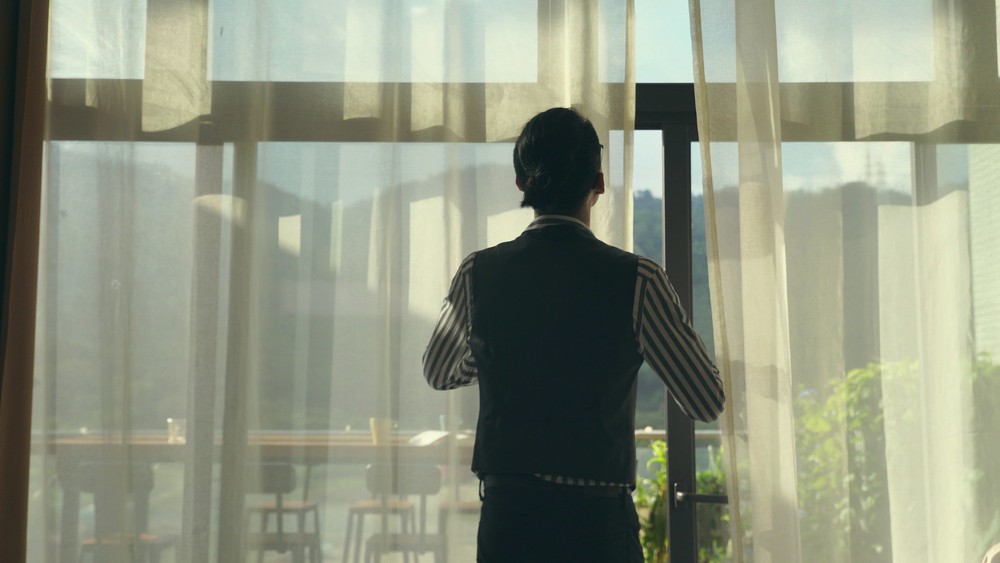
Another straightforward method to shade your home is by using blinds and curtains. The U.S. Department of Energy highlights that during summer, approximately 76% of sunlight that hits double-pane windows penetrates as heat. Utilizing high-efficiency blinds and curtains can significantly reduce this heat influx, making your home cooler.
High-quality blinds and thermal curtains reflect sunlight before it turns into heat, maintaining a cooler interior. By strategically opening and closing them based on the sun’s position, homes can harness natural light without the accompanying heat. This passive cooling technique is an effective solution for reducing household energy bills during the sweltering summer months.
Innovative designs, such as motorized blinds, allow for automated adjustment in response to sunlight intensity. This advancement not only enhances convenience but also optimizes energy efficiency. For the best results, homeowners should choose materials with reflective properties or additional layers that provide superior insulation.
Exterior Shades and Awnings
Installing exterior shades and awnings is another viable option for managing home temperatures. According to DOE-backed research by the Pacific Northwest National Laboratory, optimal use of high-efficiency shades can lead to summer cooling savings of 15% to 25% throughout a home. This method effectively reduces heat gain by keeping direct sunlight from hitting window surfaces.
Awnings can be both retractable and non-retractable, providing flexibility in managing sunlight exposure. They are made from durable materials that can withstand environmental elements while providing significant shading benefits. Additionally, they contribute to a home’s aesthetic allure, especially when customized to align with architectural designs.
Exterior shades effectively shield patios and windows from the harsh sun, creating comfortable outdoor and indoor spaces. Given their durability and practical shading capabilities, investing in such installations offers a cost-efficient way to enhance home comfort. Regular maintenance ensures their longevity, allowing homeowners to enjoy their perks throughout many summers.
Reflective Window Films
Reflective window films represent a contemporary approach to managing sunlight entry and heat within homes. These films are designed to reflect a significant portion of infrared and ultraviolet light, which is largely responsible for heat buildup. They are easy to install and offer a cost-effective alternative for homeowners looking to enhance personal comfort without substantial renovation expenses.
When applied correctly, these films can substantially diminish glare and improve energy efficiency by preventing heat from being absorbed through window glass. This solution allows for enhanced visibility and privacy, as they are often engineered to allow homeowners to see outside while obstructing outsiders’ view. Reflective films are an uncomplicated yet potent shading solution, suitable for both residential and commercial use.
However, selecting the right film requires considering factors like light transmittance and heat rejection levels. Homeowners should seek professional assistance to ensure proper application and optimal results. The addition of reflective films is not only an investment in indoor comfort but also in extending the lifespan of home furnishings vulnerable to sun damage.
Combining Solutions for Optimal Comfort
Shading your home involves a mix of natural and artificial techniques, all aimed at improving indoor comfort while conserving energy. From planting trees to installing high-efficiency window shades and reflective films, each method offers unique benefits. These combined approaches provide a comprehensive strategy to tackle excessive heat and enhance the usability of your living spaces.
The variety of shading solutions allows for personalized setups that cater to individual home designs and climates. By adopting these techniques, homeowners will not only cut energy costs but also contribute to a greener, more sustainable environment. Protection from the heat ensures both personal comfort and the preservation of the home’s structural integrity over time.
Ultimately, investing in these diverse methods ensures immediate relief from oppressive temperatures while providing long-term benefits to both the home’s value and environmental impact. The ideal shading strategy leverages the strengths of each solution to create a cooler, more efficient home environment. As climate patterns continue to fluctuate, employing a mix of approaches will prove invaluable in sustaining home comfort.




Be First to Comment