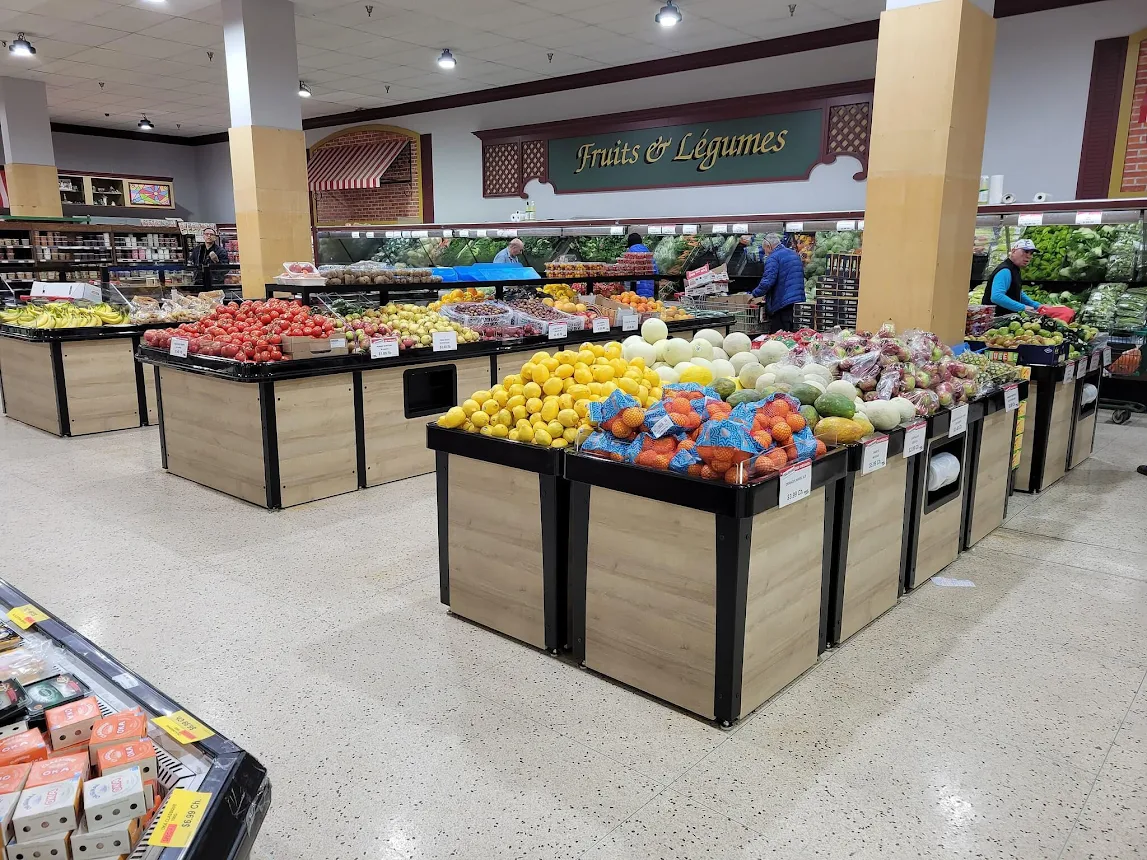
Fresh produce can be one of the most visually appealing sections of a grocery store, but simply stocking colourful fruits and vegetables doesn’t necessarily guarantee strong sales. Shoppers move quickly, meaning familiar items can blend into the background, and poorly arranged products can appear picked over even when fresh.
Effective produce display tables bring products into shoppers’ natural line of sight and make it easier to see, compare, and impulse buy. When the department feels abundant and simple to navigate, customers are more likely to explore beyond their shopping lists. Better visibility can also improve turnover, helping stores sell produce before it becomes waste.
Place High-Priority Products Where Shoppers Naturally Look
Eye-level placement matters, even on fixtures lower than conventional grocery shelves. The centre and front edges of a display typically receive more attention than corners, lower shelves, or areas blocked by signage.
Give these prominent positions to seasonal products, higher-margin items, and produce that needs to sell quickly. Everyday staples can occupy slightly less noticeable areas because customers already seek them out. In other words, use prime display space to encourage purchases that might not otherwise happen.
It’s also important to watch how customers enter the department, where they slow down, and which fixtures they pass before reaching popular staples. A display placed along a natural route will usually perform better.
Build Displays That Look Full Without Overloading Them
Abundance suggests freshness, but an oversized pile can cause bruising, spoilage, and unnecessary shrink. Deep displays also become unattractive as products sell down, leaving scattered items at the bottom.
False bottoms, angled shelves, tiered baskets, and smaller containers can create the appearance of fullness with less inventory. These features bring products closer to the shopper while reducing pressure on delicate items. Your team can then replenish in smaller batches, which keeps the display looking fresh throughout the day.
Display depth should reflect the product. Apples and citrus can tolerate more stacking than tomatoes, peaches, or pears. Adjusting the presentation to the produce protects quality while maintaining visual impact.
Use Colour and Contrast Deliberately
Colour can sometimes guide attention better than signage. Contrasting products, such as green avocados beside red tomatoes, make both displays easier to notice. Long stretches of similar colours may look uniform, but they can also cause individual products to disappear into the arrangement.
Fixtures and containers should provide contrast without competing with the food. Neutral wood tones, black surfaces, and simple baskets often help natural colours stand out. Clean display edges and visible separation between varieties also make it easier for shoppers to understand what they are seeing.
Make Signs Useful at a Glance
A sign should quickly answer the questions most likely to influence a purchase: What is it, how much does it cost, and why should someone buy it now?
Keep pricing large and legible. Short supporting messages such as “Ontario grown,” “ready to eat,” or “in season” can add value without overwhelming the display. Less familiar produce may benefit from a brief preparation tip. Telling customers that a vegetable is ideal for roasting or that a fruit works well in smoothies can also help turnover.
Merchandise Products Around Real Meals
Cross-merchandising helps shoppers picture how produce fits into something they already plan to cook. Tomatoes, avocados, limes, and cilantro can form a taco-night grouping. Potatoes, carrots, and onions can suggest a roast dinner. But these combinations should be intuitive and easy to shop. Too many unrelated products create clutter and weaken the message.
Rotate Stock Without Hiding the Best Produce
First-in, first-out rotation supports product turnover, but older stock should never be used to conceal fresher inventory or fill the most visible layer. Shoppers notice damaged or tired-looking produce quickly, and a single bad apple can spoil the entire display.
Treat Every Display as a Selling Tool
The strongest produce departments respond to shopper behaviour, inventory levels, and product condition throughout the day. Track which locations sell fastest, test different groupings, and adjust display quantities based on actual demand. Start with one underperforming section, improve its placement and presentation, and compare the results. Small, informed changes can turn overlooked produce into a dependable source of sales.





Be First to Comment