A beautiful yard makes a strong first impression, but keeping it looking good through every season takes more than a burst of effort each spring. Plants, lawns, and garden beds all have different needs as the weather changes. With a bit of planning and a steady routine, you can enjoy healthy, attractive landscaping all year long. Here’s how to keep your outdoor space looking its best from season to season.
Start With a Smart Plan
The best year-round landscapes are designed with every season in mind. Instead of planting everything that blooms in late spring, choose a mix of plants that peak at different times of the year.
Mix Evergreens and Seasonal Plants
Evergreen shrubs and trees provide structure and color even in the dead of winter. Pair them with spring bulbs, summer perennials, and fall foliage plants so something is always looking its best. Ornamental grasses and plants with interesting bark or berries add texture and visual interest during the colder months.
Choose Plants Suited to Your Climate
Native and climate-appropriate plants are easier to care for because they’re already adapted to your local soil, rainfall, and temperatures. They usually need less water, fertilizer, and pest control, which saves you time and money while keeping your yard healthy.
Water Wisely
Watering is one of the biggest parts of landscape care, and it’s also one of the easiest places to waste resources. According to the Arizona Department of Water Resources, up to 70% of residential water use in Arizona goes toward outdoor landscaping. Even if you live somewhere with more rainfall, outdoor watering can make up a large share of your water bill.
Water Deeply and Less Often
Deep, infrequent watering encourages roots to grow downward, making plants stronger and more drought-tolerant. Light daily watering keeps roots shallow and leaves plants more vulnerable to heat and dry spells.
Time It Right
Water early in the morning, when temperatures are cooler and winds are calmer. This reduces evaporation and gives plants time to dry before evening, which helps prevent fungal diseases. Drip irrigation and smart controllers can deliver water right where it’s needed and adjust automatically for rainfall.
Protect Your Soil and Plants With Mulch
Mulch is one of the simplest tools for keeping landscaping healthy throughout the year. It holds in moisture, keeps weeds down, regulates soil temperature, and gives garden beds a clean, finished look.
According to the Department of Agriculture, you should cover your landscaping with about three inches of mulch for protection. Spread it evenly around plants, but keep it a few inches away from tree trunks and plant stems to prevent rot and pests. Organic mulches like shredded bark, wood chips, and pine straw break down over time and improve your soil, so plan to refresh them once or twice a year.
Follow a Seasonal Maintenance Routine
Each season brings its own landscaping tasks. Staying on top of them keeps small chores from turning into big projects.
Spring
Spring is the time to clean up and get things growing. Rake away leftover leaves and debris, prune dead or damaged branches, and divide overgrown perennials. Fertilize your lawn and garden beds, refresh mulch, and plant new flowers and shrubs once the risk of frost has passed.
Summer
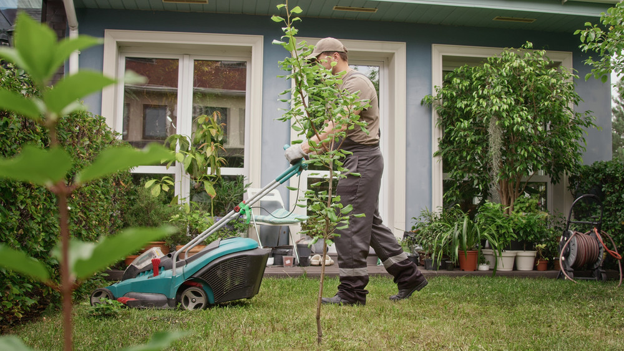
Summer care is all about keeping plants healthy during the heat. Mow your lawn a little higher to shade the soil and reduce water loss. Pull weeds regularly, deadhead flowers to encourage new blooms, and keep an eye out for pests or signs of stress.
Fall
Fall is one of the best times to plant trees, shrubs, and spring-blooming bulbs. It’s also the ideal season to aerate and overseed your lawn. Rake leaves before they smother the grass, and clean out garden beds to reduce hiding spots for pests over winter.
Winter
Even in winter, your landscape needs some attention. Protect sensitive plants from frost with covers or extra mulch. Prune dormant trees and shrubs, clear heavy snow from branches to prevent breakage, and use the quieter months to plan next year’s improvements.
Add Features That Shine in Every Season
Hardscaping elements stay attractive no matter what’s blooming. Stone pathways, retaining walls, patios, and decorative boulders give your yard structure all year. Outdoor lighting highlights trees and walkways during long winter evenings, and containers can be swapped out each season with fresh plants for a quick update.
Why Landscaping Is Worth the Effort
A well-kept yard does more than look nice. It boosts curb appeal, creates a welcoming outdoor space for family and friends, and can increase your home’s value. According to Better Homes and Gardens, simple landscaping can produce an impressive ROI of up to 200%. That makes regular landscape care one of the more rewarding investments you can make in your home.
Keeping your landscaping beautiful year-round comes down to thoughtful planning, smart watering, and consistent seasonal care. Choose plants that thrive in your climate, protect your soil with mulch, and stay on top of each season’s tasks. With a steady routine, your yard will look inviting in every month of the year, and you’ll enjoy the rewards long after the work is done.





Be First to Comment