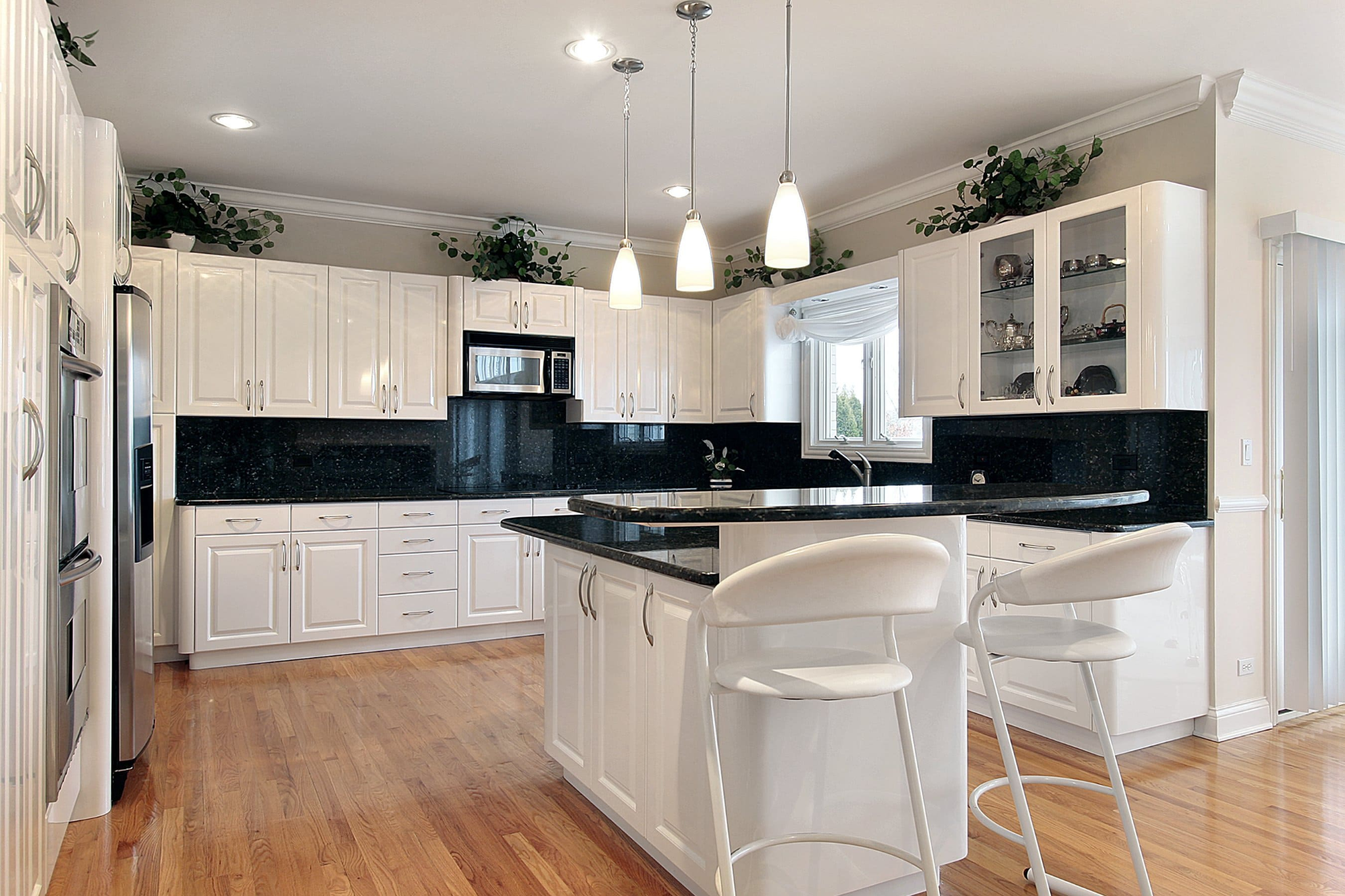
Modern kitchens are no longer just places for cooking. The breakfast counter has become the multi-tasking hub of the home, serving as a food prep zone, a quick homework station, and a spot for morning coffee. This relentless activity means contemporary breakfast counter designs require highly resilient materials that can keep up with constant wear. While affordable laminates often scratch, peel, or bubble under the pressure of hot mugs and inevitable spills, advanced engineered surfaces are rising to the challenge. Homeowners need a surface that handles daily use while maintaining its original beauty.
Why Breakfast Counters Need Durable Materials
A breakfast counter is one of the busiest surfaces in a kitchen, requiring a material that balances functionality with aesthetics. Choosing the right surface helps maintain its appearance while reducing maintenance over the years.
Some of the most important qualities include:
- Heat resistance: The surface should withstand hot cookware and serving dishes without damage.
- Scratch resistance: Everyday use with utensils, crockery, and appliances should not easily leave marks.
- Stain resistance: Spills from food, beverages, and oils should be easy to clean without leaving permanent stains.
- Moisture resistance: Low water absorption helps protect the surface from swelling, staining, and deterioration.
- Hygienic surface: Non-porous materials help reduce bacterial buildup and simplify cleaning.
- Easy maintenance: Materials requiring minimal upkeep remain practical for busy households.
These requirements make material selection one of the most important decisions when designing a breakfast counter for daily use.
Laminate vs Sintered Stone: Which Performs Better?
Breakfast counters are commonly built using laminate or sintered stone, but the two materials perform very differently under regular kitchen use. Understanding their characteristics helps homeowners choose a surface that aligns with both their lifestyle and maintenance expectations.
Laminate
Laminate remains a popular choice because it is affordable and available in a wide variety of colours, patterns, and wood-inspired finishes. It provides a smooth surface suitable for everyday use but may be affected by prolonged exposure to heat, moisture, or impact. Over time, edges can wear, and the surface may require replacement if damaged.
Sintered Stone
Sintered stone is manufactured under extremely high heat and pressure using natural minerals, creating a dense, non-porous surface engineered for demanding environments. It offers excellent resistance to scratches, stains, heat, and moisture while requiring minimal maintenance.
Laminate vs Sintered Stone: A Side-by-Side Comparison
While laminate and sintered stone can both create attractive breakfast counters, their long-term performance differs significantly. Comparing them across key factors provides a clearer understanding of which material is better suited for everyday kitchen use.
| Feature | Laminate | Sintered Stone |
| Scratch resistance | Moderate | Excellent |
| Heat resistance | Moderate | Excellent |
| Stain resistance | Good | Excellent |
| Moisture resistance | Moderate | Excellent |
| Maintenance | Low | Low |
| Longevity | Moderate | Excellent |
Although laminate remains a practical option for budget-conscious homeowners, sintered stone offers a more balanced combination of durability, hygiene, and long-term performance. Its ability to withstand heat, moisture, stains, and everyday wear makes it particularly well-suited for breakfast counters used throughout the day.
Breakfast Counter Designs for Modern Kitchens
The design of a breakfast counter influences both functionality and the overall flow of the kitchen. Choosing the right layout helps maximise available space while creating a comfortable area for dining, meal preparation, and everyday activities.
Straight Breakfast Counters
Straight breakfast counters are ideal for compact kitchens where space is limited. Their simple layout provides a practical dining surface without interrupting movement, making them suitable for apartments and smaller homes.
Peninsula Breakfast Counters
A peninsula breakfast counter extends from the main kitchen counter, creating additional workspace and casual seating. It helps define the kitchen area while making efficient use of the available floor space.
Island Breakfast Counters
Island breakfast counters provide a central workspace for cooking, dining, and entertaining. They work best in open-plan kitchens where circulation around the counter is easy to maintain.
Waterfall Breakfast Counters
Waterfall counters extend the countertop material down both sides, creating a seamless and contemporary appearance. This design adds visual impact while protecting the edges from everyday wear.
Multi-Level Breakfast Counters
Multi-level breakfast counters separate food preparation from dining by using different countertop heights. This layout improves functionality while creating distinct zones within the kitchen.
Selecting the right design improves the functionality of a breakfast counter, but the size and format of the countertop material also influence its overall appearance and long-term performance.
Why Large Slabs Are Changing Breakfast Counter Design
The size of the countertop material significantly affects both the appearance and functionality of a breakfast counter. Large slabs are increasingly preferred because they create cleaner, more seamless surfaces while reducing the number of visible joints that can interrupt the overall design.
- Seamless appearance: Large slabs create a continuous surface with fewer joints, giving breakfast counters a sleek, contemporary look.
- Easier to clean: Fewer joints mean fewer places for food particles and dirt to accumulate, simplifying everyday maintenance.
- Improved hygiene: Continuous surfaces help maintain a cleaner food preparation area by minimising grout lines.
- Greater design flexibility: Large slabs are suitable for island, peninsula, and waterfall breakfast counters, allowing for uninterrupted design across different layouts.
- Enhanced visual appeal: Expansive surfaces highlight nature-inspired patterns more effectively, creating a refined and premium kitchen aesthetic.
For example, brands such as Neotra Advanced Surfaces offer large slabs that enable seamless breakfast counter installations while combining contemporary design with excellent durability for everyday kitchen use.
Conclusion
Selecting the right breakfast counter material is essential for creating a surface that remains both functional and visually appealing over time. While laminate remains a practical option, sintered stone offers superior resistance to heat, scratches, stains, and moisture, with minimal maintenance. Combined with the design flexibility of large slabs, it provides a durable solution for modern kitchens where breakfast counters serve as spaces for cooking, dining, and everyday living.





Be First to Comment