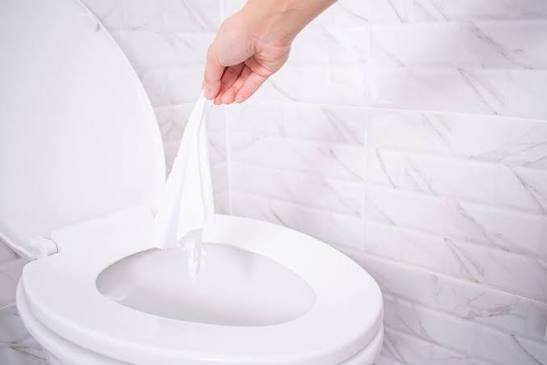
Flushing something down the toilet takes seconds, and once it’s disappeared, it’s easy to forget about it. But just because something goes down without a problem doesn’t mean it won’t cause trouble further along your plumbing system. Many everyday items that seem harmless can contribute to serious blockages, expensive repairs, and environmental damage. Being a little more mindful about what you flush can save you a surprising amount of hassle.
Your Toilet Isn’t Designed to Handle Everything
It’s tempting to treat your toilet like another household trash can, especially when you’re disposing of small items. However, toilets are only designed to handle human waste and toilet paper. Anything else can create problems, even if it appears to flush away easily. Wet wipes are a particularly common culprit. Despite some being marketed as flushable, many don’t break down as quickly as toilet paper. Instead, they can accumulate inside pipes, eventually creating stubborn blockages that require professional attention. The same applies to cotton balls, paper towels, sanitary products, and dental floss. These items can become trapped in your plumbing, gradually restricting water flow.
Blockages Can Become Expensive Problems
A blocked toilet might initially seem like a minor inconvenience, but the consequences can quickly become more serious. When waste cannot move freely through your pipes, wastewater may back up into your toilet, bathtub, or other fixtures. This can cause unpleasant odors, water damage, and potentially unsanitary conditions throughout your home. Depending on where the blockage develops, repairs may involve specialized equipment or extensive plumbing work. If you’re experiencing recurring blockages or slow drainage, seeking professional help through plumbing Meridian services can help find the underlying issue before it develops into something more disruptive.
You’re Protecting More Than Your Own Pipes
What you flush doesn’t just affect your household. Wastewater travels through sewer systems before reaching treatment facilities, and unsuitable materials can create significant problems along the way. Items such as wipes, cotton swabs, and hygiene products can contribute to sewer blockages, placing additional pressure on public infrastructure. When sewage systems become overwhelmed, wastewater can potentially escape into surrounding environments. Flushing medications or household chemicals can also introduce substances that wastewater treatment processes may not completely remove. Disposing of these products through appropriate collection programs helps protect waterways and aquatic ecosystems.
Small Changes Make a Big Difference
Fortunately, preventing these problems doesn’t require much effort. Keeping a small trash can beside your toilet makes it easier to dispose of wipes, tissues, and hygiene products correctly. It’s also worth making sure everyone in your household understands what should and shouldn’t be flushed. Children, in particular, may not realize that everyday objects can cause plumbing problems.
Keep Your Plumbing Running Smoothly
Being mindful about what you flush is one of the simplest ways to protect your home’s plumbing. A few small changes to your daily habits can reduce the likelihood of blockages, prevent unnecessary repair bills, and help protect the environment.
Next time you’re about to flush something away, consider whether it really belongs in your toilet. Your pipes, your wallet, and the wider environment will benefit from that extra thought.



Be First to Comment