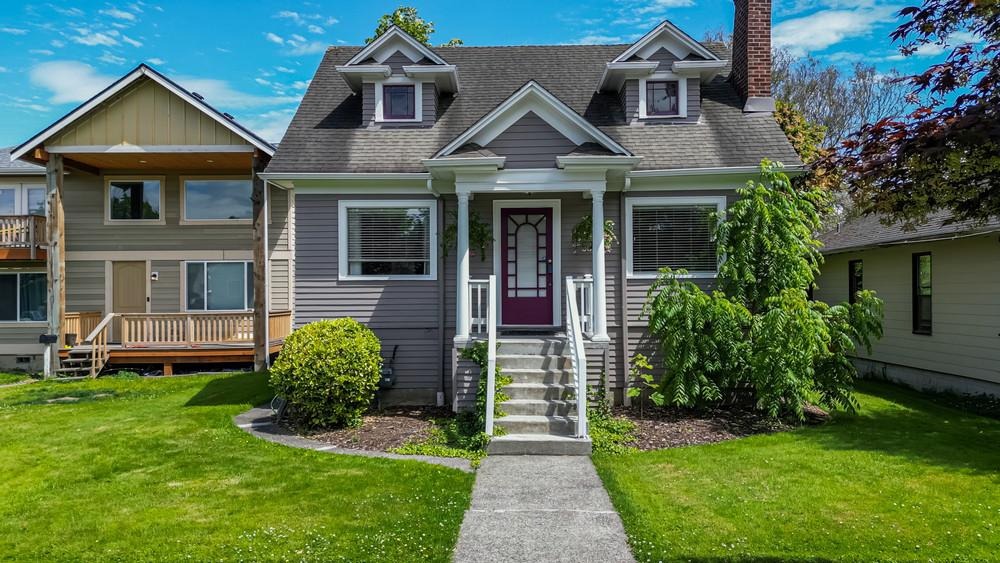
Maintaining a property involves much more than keeping rooms tidy or making occasional cosmetic improvements. Regular upkeep helps protect important structural components, prevent unexpected repairs, and create a cleaner, more comfortable environment. Small issues involving plumbing, drainage, and household cleanliness can gradually develop into larger problems when left unaddressed. By establishing consistent maintenance habits, property owners can protect their investments and avoid unnecessary disruptions.
Whether you own a home, manage a rental property, or oversee a commercial building, paying attention to everyday maintenance can make a meaningful difference. In this article, we’ll explore the importance of plumbing inspections, proper drainage, and consistent cleaning practices in maintaining a healthier and more reliable property.
Keeping Plumbing Systems in Good Condition
Plumbing systems are essential to everyday property operations, yet much of their infrastructure remains hidden behind walls or underground. Drainage problems, leaks, and aging pipes can go unnoticed until they begin affecting other parts of a building. Regular inspections and timely attention to plumbing concerns can help property owners identify potential problems before they become expensive repairs.
The scale of public wastewater infrastructure highlights just how important reliable sewage systems are. The United States has approximately 800,000 miles of public sewage pipes. While these systems operate beyond individual property boundaries, homeowners and building managers still need to maintain their own sewer connections, drains, and plumbing fixtures. Scheduling appropriate inspections and addressing recurring blockages can help keep wastewater moving properly.
Property owners should also pay attention to warning signs such as slow drains, unusual odors, recurring clogs, and unexplained changes in water pressure. These symptoms may indicate developing plumbing concerns that deserve professional attention. Addressing them early can help limit water damage and prevent disruptions to everyday activities.
Preventing Drainage Problems and Foundation Damage
Proper drainage plays a major role in protecting a property’s structural stability. When rainwater collects around a building instead of flowing away from it, excess moisture can affect surrounding soil and place additional pressure on foundation components. Over time, poor drainage may contribute to cracks, moisture intrusion, and other structural concerns.
The relationship between soil moisture and foundation stability makes exterior drainage maintenance especially important. According to AMIX Systems, soil saturation from poor drainage causes 70% of foundation failures. This highlights why property owners should pay attention to grading, gutters, downspouts, and drainage pathways. Keeping these systems clear and functional can help direct water away from vulnerable areas.
Seasonal inspections are useful for identifying drainage concerns before they cause significant damage. Homeowners can check for standing water, clogged gutters, damaged downspouts, and areas where soil slopes toward the building. If water continues collecting near the foundation, a qualified drainage professional can evaluate the property and recommend appropriate improvements.
Maintaining Clean and Healthy Indoor Spaces
Everyday cleaning is another important part of property maintenance. Dust, dirt, food residue, and moisture can accumulate throughout a building, affecting its appearance and overall cleanliness. Establishing consistent cleaning routines helps prevent buildup and makes it easier to identify areas that require additional attention.
Research involving household cleaning habits also demonstrates the value of routine maintenance. According to Active Pure, a study sampling the kitchens of 100 older adults found that their cleaning routines made a difference. This reinforces the importance of regular cleaning practices, particularly in frequently used spaces such as kitchens.
Property owners and occupants can benefit from creating manageable cleaning schedules that address different areas throughout the week. Regularly wiping down surfaces, cleaning appliances, removing trash, and addressing spills can help maintain a more pleasant indoor environment. Paying attention to frequently touched surfaces and areas where moisture collects can also support better household hygiene.
Everyday property maintenance helps protect the systems and structures that make a building functional. From keeping plumbing in good condition to managing exterior drainage and maintaining clean indoor spaces, small efforts can prevent larger problems over time. By making routine inspections and upkeep a priority, property owners can preserve their investments, improve daily comfort, and maintain safer, more dependable spaces for years to come.





Be First to Comment