The Art of Soundproofing: Understanding Noise Barriers
What Are Noise Barriers and How Do They Work?
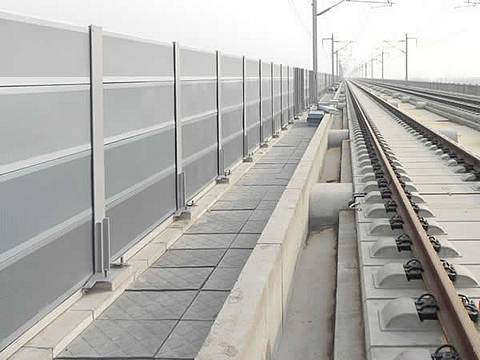
Noise barriers are structures designed to shield areas from unwanted sound, particularly in urban environments where noise pollution is a persistent concern. They play a vital role in reducing the impact of noise generated by highways, railways, industrial facilities, and other sources of continuous sound. Typically constructed from solid materials such as concrete, timber, steel, acrylic panels, or mass-loaded vinyl, these barriers create a physical obstruction between the sound source and the receiver, significantly limiting the amount of noise that travels beyond the barrier. This reduction occurs through the combined effects of reflection and absorption: when sound waves encounter a dense surface, a portion of the energy is reflected back toward the origin, while the remaining energy is absorbed by the material especially when the barrier includes sound-absorbing components.
As cities expand and residential areas increasingly border major infrastructure, the demand for high-performance solutions continues to grow. Working with the best noise barrier manufacturer ensures that the materials, design, and installation standards meet both acoustic requirements and long-term durability expectations. Well-designed systems not only enhance residents’ comfort and well-being but can also positively influence property values by creating quieter, more livable environments. Effective installations are capable of significantly lowering noise levels from busy roads or rail corridors, helping to foster calmer surroundings. Understanding how noise barriers function empowers property owners, developers, and planners to select solutions that align with their specific environmental conditions and acoustic goals.
The Science Behind Effective Sound Reduction
The science of sound reduction involves understanding its fundamental characteristics, including frequency, amplitude, and the medium through which sound travels. Sound, as a mechanical wave, travels through air and can rebound off surfaces or penetrate materials, making some types of barriers more effective than others at various sound frequencies. Research indicates that low-frequency sounds such as those produced by trucks and machinery are particularly challenging to manage, often requiring dense and heavy materials to block their transmission effectively. Noise barriers, therefore, need to be designed with specific objectives in mind, including the consideration of frequency range and sound pressure levels. The effectiveness of a barrier is also measured through its Sound Transmission Class (STC) rating, which helps consumers understand how well a wall or barrier can impede sound transmission between spaces. An STC rating between 25-30 indicates minimal sound isolation, while ratings above 50 are considered excellent. To maximize the performance of noise barriers, factors such as height, thickness, and continuity are essential, with taller barriers generally proving more effective at blocking sound due to increased diffraction loss. Furthermore, the installation angle can positively impact performance, with barriers positioned vertically yielding better results when encountering sound waves. In essence, the quantifiable details regarding a barrier’s soundproofing capabilities are fundamental when discussing the advancements and innovations within the industry.
Different Types of Noise Barriers: Which One Suits Your Needs?
Choosing the right type of noise barrier can greatly impact sound reduction, and understanding the various options available is essential in making an informed decision. Generally, noise barriers can be categorized into three main types: absorptive barriers, reflective barriers, and combinations of both. Absorptive barriers, often made from materials such as acoustic foam or dense vegetative surfaces, are designed to absorb sound, preventing it from reflecting back into the environment. These are particularly effective for high-frequency noise but may be less useful for low-frequency sounds. In contrast, reflective barriers utilize denser materials such as concrete, masonry, or metal to redirect sound waves back towards their source, offering superior performance for a broader frequency range. Innovative designs often integrate both principles, utilizing a combination of reflective and absorptive materials to maximize sound reduction efficiency across varied sound frequencies and sources. Furthermore, specialized features like green walls incorporating vegetation are becoming increasingly popular not only for their aesthetic qualities but also for their noise absorption properties. The choice of barrier depends on specific needs; urban areas may benefit from high, dense reflective barriers, while locations concerned with sound aesthetics might find vegetative options more desirable both visually and functionally. Ultimately, selecting the appropriate noise barrier requires a nuanced understanding of the surrounding environment and the type of noise being addressed.
Top-Rated Manufacturers: Who’s Leading the Pack?
Innovative Giants in the Noise Barrier Industry
The noise barrier manufacturing industry is populated by numerous firms that bring innovations and technological advancements to the table. Among the leading manufacturers is Trex Company, known for its eco-friendly composite materials that serve not just as barriers, but also fulfill aesthetic landscaping needs. Their products are lauded for durability and low maintenance, steering the company to the forefront of the industry amid increasing environmental concerns. Another key player is Sound Seal, recognized for focusing on acoustic solutions across various applications, from residential to commercial spaces. They provide a wide array of products designed specifically for discerning audiophiles and industries requiring substantial noise reduction. Concrete or steel giants are also noteworthy players, such as Oldcastle Precast, whose durable pre-cast concrete products meet the needs of municipalities while serving high-traffic highways and commercial installations. They dominate with their reputation for sturdy construction and longevity, combining functionality with design adaptability. Each of these manufacturers is cooperating with engineers and architects to expand product lines that integrate new technologies such as advanced composites and sound-dissipating designs, making the landscape of noise barriers continuously evolving.
Comparing Quality and Cost: The Industry’s Best Offers
Price is a seminal factor when determining which noise barrier product to invest in, especially for those who may be homeowners or small business owners with limited budgets. The cost of noise barriers can vary significantly depending on material quality, type of barrier, and installation complexity. For example, basic wooden barriers can range from $20 to $30 per linear foot, while more sophisticated soundproofing options like mass-loaded vinyl could command $40 or more per linear foot due to the specialized manufacturing processes and sound attenuation properties they offer. To aid in comparative analysis, it is essential to research the lasting value of these barriers in relation to their upfront costs. Products from reputable manufacturers may come with a higher price tag but often include warranties and guaranteed performance standards that can assure consumers of their long-term effectiveness. While it may be tempting to opt for the cheapest option, investing in barriers with higher STC ratings and more advanced materials may save future costs associated with inadequate soundproofing, such as potential increases in property damage from noise or decreased livability due to noise penetration. Detailed comparisons of product reviews and performance assessments are advisable when making purchasing decisions.
Customer Reviews: Real Experiences from Noise Barrier Users
Customer reviews are invaluable for prospective buyers looking to gauge the effectiveness of various noise barriers. Personal testimonials provide insights into real-world performance and longevity, along with potential pitfalls and advantages specific to particular product lines. Positive experiences often highlight significant noise reduction capabilities, improved quality of life, and satisfaction with customer service during the purchasing process. Many users express gratitude for achieving a tranquil living environment within densely populated neighborhoods or near loud commercial districts, particularly when they observe substantial reductions in vehicular noise, construction sounds, or industrial disruptions. Conversely, there are also cautionary reviews about expectations not being met, often emphasizing that barriers may not fully eradicate sound waves but merely reduce their volume to a manageable level. Issues regarding installation processes and difficulties can also emerge, particularly for DIY enthusiasts who attempt to tackle construction without professional assistance. Reading through both edges of customer experience can offer a balanced perspective, guiding users to products that not only align with their needs but also prepare them for the realities of noise management solutions.
Choosing the Right Noise Barrier: Factors to Consider
Material Matters: How Different Materials Affect Performance
The choice of material is one of the most crucial decisions when selecting a noise barrier, as it directly correlates with the barrier’s ability to perform effectively. Different substances possess varying characteristics that influence their soundproofing efficacy. For instance, concrete is often regarded as one of the best sound-dampening materials due to its density and mass, making it extraordinarily effective against lower frequency sounds. On the other hand, wood is a popular choice for residential areas because of its aesthetic appeal and relative affordability, even though it may not perform as well against lower frequencies. For those interested in sustainability, options such as recycled rubber or composite materials have emerged, exhibiting considerable noise reduction properties while also promoting environmentally-friendly practices. Mass-loaded vinyl presents another versatile option, known for its exceptional weight and flexibility, making it suitable for both temporary and permanent installations. Ultimately, selecting the proper material hinges on assessing performance needs against budget constraints, maintaining a comprehensive understanding of the sound profiles needing management.
Cultural Considerations: Regional Preferences in Noise Barriers
Cultural preferences can shape choices for noise barriers, especially in regions where community standards and aesthetic values impact architectural decisions. Various countries or regions may have established norms concerning the appearance, height, and style of noise barriers appropriate for an area. In some areas, for instance, vegetative barriers may be preferred due to their ability to blend into the natural landscape and reduce urban visual clutter, with communities favoring sustainable solutions that promote biodiversity and enhance ecological benefits. However, in metropolitan contexts where noise interference is acute, taller traditional concrete barriers may take precedence to achieve optimal sound reduction. Moreover, in residential zones, HOA regulations may dictate the allowance of certain barrier structures, further narrowing the options available to residents looking to improve their soundproofing. Engaging with neighbors and local governing bodies can offer insights into what barriers will not only serve personal needs but also align with the shared values and guidelines of the community.
Eco-Friendly Options: Sustainability in Soundproofing Solutions
The growing awareness surrounding environmental concerns has prompted many manufacturers to develop eco-friendly noise barrier options. Products crafted from recycled materials, such as reclaimed wood or recycled plastics, are becoming increasingly popular due to their dual benefits of sound reduction and sustainability. Furthermore, natural elements like earth berms or vegetative barriers not only contribute to acoustic improvement but promote biodiversity, serving as habitats for local wildlife and improving air quality through carbon absorption. Innovative functionality such as the incorporation of sound-absorbing plants into vertical gardens is also gaining traction within urban spaces. Development in these technologies allows consumers to reap the benefits of traditional soundproofing while minimizing ecological footprints. Additionally, advancements in biodegradable materials for barriers illustrate that companies recognize the importance of protecting the environment while providing effective noise reduction. Advancing eco-friendly noise barriers demonstrates an intersection of seemingly disparate ideals: the promotion of peaceful living spaces with eco-conscious practices.
Installation Insights: Making the Most of Your Investment
DIY vs. Professional Installation: Pros and Cons Explored
Installation of noise barriers can be approached from two avenues: DIY or professional installation, each with its respective advantages and hindrances. DIY installation often presents the allure of cost savings and personal satisfaction; many homeowners enjoy the challenge and fulfillment of completing a project. However, this approach necessitates a certain level of skill and knowledge regarding materials and installation procedures. For those with limited expertise, improper installation may lead to inadequate performance, which could undermine the investment made. Contrastingly, professional installation guarantees a level of expertise and optimal long-term performance. Professional installers possess experience that ensures the noise barrier is positioned for maximum effectiveness, adhering to local building codes and regulations. However, this route usually comes with higher costs that could dissuade potential buyers from taking the plunge. Ultimately, the decision between DIY and professional installation hinges on individual skill levels and how valuable buyers consider soundproofing performance against project costs.
Maintenance Tips to Extend the Life of Your Noise Barrier
Even the most durable noise barriers require maintenance to ensure their ongoing functionality and longevity. It is essential for property owners to implement periodic checks for wear and tear, especially for structures exposed to the elements. Wooden barriers, for instance, should be stained or treated regularly to resist decay and potential pest infestations. For concrete installations, monitoring for cracks or signs of damage will help maintain acoustical integrity. Furthermore, vegetation barriers necessitate a rigorous care schedule; regular watering, weeding, and pest control are crucial for them to maintain sound-absorbing qualities. Community engagement, such as participating in communal clean-up efforts, can also help facilitate collective maintenance of shared barriers in urban settings. Proactive maintenance measures not only extend the life of barriers but ensure that sound reduction remains effective over longer periods, safeguarding the investments made.
Maximizing Effectiveness: Strategic Placement of Your Barriers
The placement of noise barriers plays a pivotal role in achieving optimal sound reduction. Strategic positioning is essential; barriers should be installed closer to the noise source or the area needing protection for maximum efficacy. Assessing the topography of the surrounding land can also guide effective placement hills or natural slopes can serve as additional shields that bolster soundproofing efforts. Height is another critical factor, as taller barriers can effectively block lower frequency sounds, while shorter walls may be more suitable for high-pitched noises. The angle at which barriers are positioned can also influence performance; outwardly sloping barriers have been shown to improve diffraction loss, further enhancing sound reduction capabilities. By considering such strategic placements, users can maximize the effectiveness of the barriers while achieving superior acoustic comfort within their environments.
In conclusion, understanding the intricacies of noise barriers from their scientific principles to the nuances of material selection empowers individuals to make informed and impactful decisions regarding their soundproofing investments. Armed with knowledge about industry leaders, customer experiences, and practical considerations, anyone can navigate the complexities of noise management to create serene and comfortable living spaces that best suit their personal needs and environmental responsibilities.



Be First to Comment