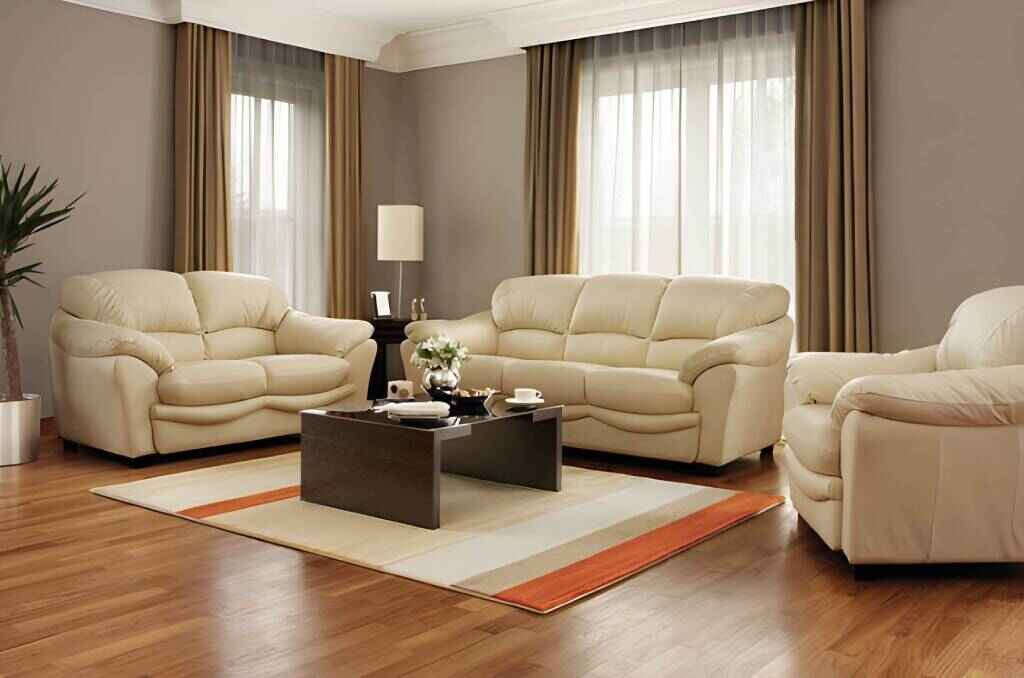
The sofa is the first thing anyone sees when they walk into your living room.
It sets the tone before a word is said. And yet most people either rush the decision completely or go back and forth so long that they end up pointing at something random just to be done with it.
Both approaches land in the same place, a sofa you tolerate rather than like, sitting in your home for the next ten years.
If you’re shopping for a sofa set, give it the time it deserves. You’re going to use this thing every single day. Here’s what actually matters.
Why the Sofa Makes or Breaks the Whole Room
The sofa isn’t just a seat.
It’s the anchor of the living room. The rug, the coffee table, the curtains, everything else arranges itself around it. When the sofa works, the room works. When it doesn’t, nothing you do to the rest of the space quite fixes it.
Most people feel this without being able to explain it.
You walk into a room, and something feels slightly off. Nine times out of ten, it’s the sofa, wrong size, wrong shape, or just wrong for the people living there. Getting this right upfront saves years of quietly wishing you’d chosen differently.
Measure First. Browse Later.
Before you open a single catalogue or scroll through any product page, go and measure your living room. This one step prevents the most common and expensive sofa mistake there is.
Know the wall length, the space between the sofa and whatever faces it, and whether people can still move around comfortably once it’s in place. A sofa that technically fits but dominates every inch of floor space isn’t the right sofa. It just cleared the door.
Think about the configuration, too.
A three-seater with two armchairs suits a longer rectangular room. An L-shape works better in a larger or open-plan space. Don’t choose what looked good in the showroom. Choose what actually fits the room you have.
Fabric Matters More Than Colour
Almost everyone gets this backwards. Days go into picking a colour.
Thirty seconds go into the fabric. Colour is the easy part. Fabric is what you live with every day. Neutral tones, warm greys, soft beiges, and off-whites work in almost any room and age gracefully. That bold colour that feels exciting today has a habit of feeling very specific two years from now. Put personality in the cushions and throws instead.
They’re cheap to swap out when you get tired of them.
Fabric needs real thought. Who’s using this sofa and what are they doing on it? A household with kids or pets needs something forgiving and easy to clean.
Velvet is beautiful and it will show every fingerprint, every pet hair, and every crumb without hesitation. A tightly woven or treated upholstery handles family life without drama.
Leather and leatherette are worth considering for busy households. Easy to wipe down and they hold their look well over time. The honest downside in Bangladesh’s climate is that they get warm. Worth thinking about before you commit.
You cannot Judge Comfort From a Photo
Sit on the sofa before you buy it if there’s any way to do that.
A product image tells you the colour and rough shape. It cannot tell you whether you’ll be comfortable after an hour or whether getting up will require actual effort.
Seat depth catches people out more than anything else. A deep sofa looks generous in a showroom. If you’re not particularly tall, you’ll spend the whole time either perched on the edge or sitting back with your feet off the floor. Neither is comfortable for long.
A slightly shallower seat is less dramatic but far easier to actually sit in.
Cushion firmness follows the same pattern. Very soft cushions feel like a dream for twenty minutes. Then you’ve sunk so far in that standing up is a commitment. Medium-firm is never exciting in a showroom but it’s what you want to come home to after a long day. High-density foam holds its shape for years. Cheap foam goes flat within a year, and the sofa looks tired before it should.
Press on the arms and back frame firmly. Nothing should flex or shift.
Sit down hard and listen. A brand new sofa that creaks on day one is telling you something; hear it before you pay.
Plan the Layout Before Delivery Day
A sofa set is multiple pieces working together in a real room. How you place them determines whether the space feels comfortable or just full.
Before anything arrives, sketch your room out roughly. Mark the windows, the television, the entry points. The sofa should face the focal point without anyone twisting in their seat. It shouldn’t block the routes people naturally take through the room.
If the set comes with a centre table or side tables, make sure the proportions feel right together. A small coffee table in front of a large sofa looks like it got lost.
A heavy table in front of a compact sofa overwhelms it. These mismatches are easy to miss in a showroom and very obvious every day at home.
Buy for the Life You’re Actually Living
This is where most people quietly go wrong.
You picture a calm, well-arranged living room and buy for that version of your life. Then real life resumes, kids have claimed a cushion, snacks happen on the sofa regularly, and the dog has opinions about personal space.
A formal, delicate sofa in that household isn’t aspirational. It’s just stressful. And a huge statement piece in a modest flat. where something simple and well-proportioned would have made the room feel open, is a daily reminder that the showroom won that day.
The right sofa is the one that suits how your household actually runs.
Honest choices make for rooms that feel genuinely good to be in, every day, without the quiet hum of a decision you wish you’d made differently.
One Call That Shapes Everything Around It
Measure first. Choose fabric over colour. Sit on it before you decide.
Buy for real life, not an imagined one. A sofa set chosen with that kind of honesty just settles into the room like it was always there. Comfortable, right-sized, and completely at home. That’s the whole point.




Be First to Comment