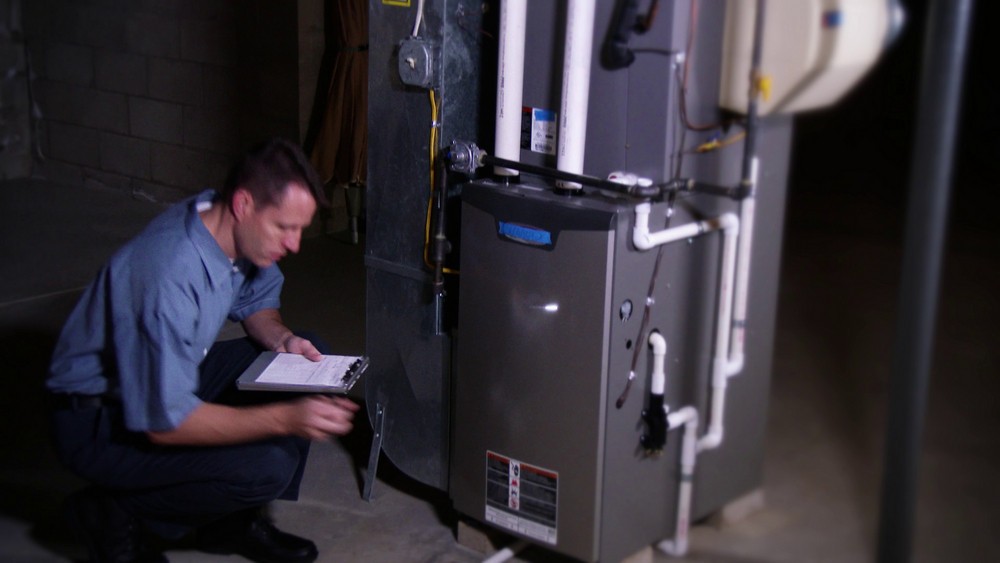
Deciding to upgrade your furnace is a significant decision that impacts your home’s comfort and energy efficiency. Knowing when the time is right involves considering several factors, from energy usage to the overall age of your furnace. By understanding the signs and assessing your furnace’s condition, you can make an informed decision about upgrading.
Recognizing the Signs of an Aging Furnace
Furnaces are designed to last between 15 and 20 years with adequate care. If your furnace is in this age range and you’re experiencing frequent issues, it’s a good indication that an upgrade may be needed. Routine maintenance can extend your furnace’s lifespan, but once these units hit the 15-year mark, their efficiency and reliability may begin to wane.
Older furnaces often suffer from declining efficiency, which can show up as higher energy bills. This Old House notes that even a well-maintained 20-year-old furnace might only achieve 75% Annual Fuel Use Efficiency (AFUE). Such a reduction in efficiency means your furnace might be wasting more energy, leading to increased costs.
It’s essential to monitor signs like uneven heating, strange noises, or frequent cycles on and off. These issues can signal that your furnace is struggling to maintain your home’s comfort. Regular inspections can help identify these problems early, allowing you to plan for a replacement.
Energy Efficiency Considerations
One of the main reasons homeowners consider upgrading their furnace is to improve energy efficiency. Newer models, particularly high-efficiency direct-vent furnaces, operate above a 90% AFUE, significantly more efficient than older units. This improvement translates to substantial savings on energy bills every month.
With skyrocketing energy prices, upgrading to a high-efficiency furnace can be a sound financial decision. Over time, the energy cost savings can offset the initial investment in a new furnace. Plus, reducing energy consumption is an environmentally friendly choice, decreasing your home’s carbon footprint.
Understanding the broader impact of energy efficiency improvements can encourage timely furnace upgrades. By installing a modern furnace, you ensure that your home stays warm while consuming less energy. This decision supports both your personal financial goals and broader environmental efforts.
Evaluating Maintenance Needs and Costs
Routine maintenance is crucial for ensuring your furnace operates correctly and efficiently. According to suggestions by energy experts like Energy Star, changing your furnace’s filter every three months is necessary to maintain optimal performance. Skipping these regular updates can lead to unnecessary stress on your system, adversely affecting its lifespan.
Assessing the ongoing maintenance costs can help determine whether to upgrade or continue with repairs. If your current furnace requires frequent, costly repairs, investing in a new unit can be more economical in the long run. Not only will a new system minimize maintenance needs, but it will also come with a warranty, potentially covering any unexpected future repairs.
The costs associated with maintaining an older furnace can quickly add up, surpassing the price of a new installation. Coupled with the need for regular upkeep, the decision to upgrade becomes easier when factoring in potential savings and reduced hassle. Ultimately, a proactive approach can lead to improved comfort and efficiency at home.
Exploring Modern Features and Technologies
Modern furnaces offer a range of advanced technologies that further increase efficiency and performance. Features such as variable-speed blowers and smart thermostats allow for more precise control of home heating. This advanced control not only maintains comfort but also optimizes energy use.
With smart home technology integration, you can adjust and monitor your furnace’s performance remotely. This gives you the power to ensure that heating is only used when necessary, providing both convenience and cost savings. As smart home technologies evolve, so does the potential for increased efficiency and reduced environmental impact.
Replacing an old furnace with a new, technologically advanced model further benefits your lifestyle. These features contribute to a more comfortable and economically run household. Upgrading ensures your home is both a cozy retreat and a model of modern energy efficiency.
The Decision: When to Upgrade?
When considering a furnace upgrade, weigh the age and efficiency of your current unit alongside your future goals for home comfort and energy savings. Evaluate whether ongoing repair costs, reduced efficiency, or frequent maintenance signal it’s time for a replacement. Consulting with HVAC professionals can provide insight and guidance tailored to your specific home needs.
While the decision to upgrade involves upfront costs, the long-term benefits can far outweigh these initial expenses. Modern, energy-efficient furnaces deliver consistent heating performance and reduce operational costs. By choosing the right time to upgrade, you invest in a more comfortable, cost-effective home environment.
Recognizing when to upgrade your furnace requires an understanding of its age, efficiency, and maintenance requirements. Prioritizing a balance of cost, comfort, and efficiency will guide you towards the best decision for your home. Ultimately, a timely upgrade can result in long-term savings and improved living conditions.




Be First to Comment