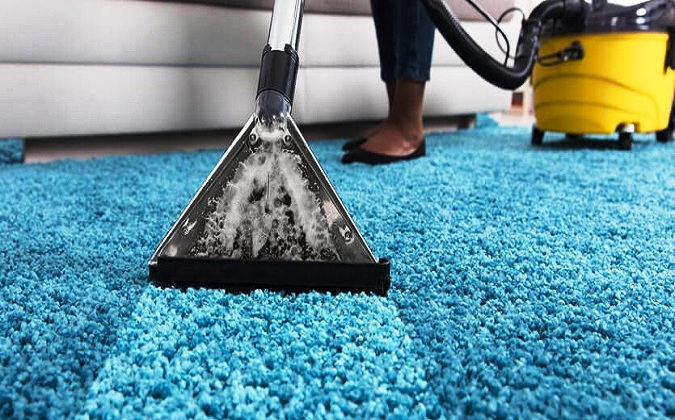
Commercial cleaning has quietly evolved over the past few years. What used to be a simple end-of-day tidy-up has become a structured, data-informed service built around health outcomes, sustainability, and building performance. Businesses signing new cleaning contracts in 2026 should expect a very different set of standards than they would have a decade ago.
Locally owned commercial cleaning providers are increasingly building their programs around these shifting expectations, rather than the flat, one-size-fits-all packages that used to define the industry.
From Reactive to Scheduled Service
The biggest shift is structural. Reactive cleaning — showing up when something looks dirty — is being replaced by scheduled, documented service plans. Businesses now expect:
• Defined cleaning frequencies for every area of a facility, not just a general “daily cleaning” label.
• Written scopes of work that specify exactly what’s cleaned, how often, and with what products.
• Accountability tracking, whether through checklists, digital logs, or client walkthroughs.
This structural change matters because it shifts responsibility away from whoever happens to notice a problem, and onto a documented plan that both the client and provider can reference.
Green Cleaning Is Now an Expectation, Not a Perk
Environmentally responsible cleaning products used to be an upsell. Increasingly, they’re a baseline requirement, especially for businesses with sustainability commitments or LEED-certified buildings. Low-VOC disinfectants, reduced plastic packaging, and water-efficient equipment are becoming standard rather than optional add-ons.
Some commercial leases now include sustainability clauses that indirectly require tenants to work with vendors, including cleaning providers, who meet certain environmental standards.
Health-Driven Cleaning Protocols
Cleaning standards have become more closely tied to indoor air quality and public health research. Facilities are placing more weight on:
• HEPA filtration in vacuums and air handling to reduce airborne particles.
• Hospital-grade disinfectants for high-touch surfaces in offices, clinics, and schools.
• Ventilation and duct cleaning, once overlooked, now included in many commercial contracts.
Technology Is Reshaping How Cleaning Is Managed
Digital tools have entered an industry that historically ran on paper checklists and phone calls. Facility managers now expect providers to offer some combination of scheduling software, service verification, and clear communication channels for reporting issues in real time. This shift makes it easier for facility managers overseeing multiple locations to maintain consistent standards without relying on manual check-ins.
Specialized Protocols by Facility Type
A generic cleaning plan no longer meets the standard businesses expect. Medical offices, schools, warehouses, and coworking spaces each carry different requirements:
• Medical facilities require strict disinfection protocols aligned with healthcare cleaning standards.
• Schools and daycares need child-safe products and attention to shared learning spaces.
• Warehouses require floor care suited to heavy equipment traffic and safety compliance.
• Coworking spaces need more frequent turnover cleaning given higher daily occupant variability.
Workforce Training Is Becoming Part of the Standard
As protocols grow more specialized, cleaning staff training has become a differentiator between providers. Businesses increasingly ask about certification, safety training, and how consistently a provider’s staff are briefed on facility-specific requirements, rather than assuming all cleaning crews operate the same way.
Regulatory and Compliance Pressures
Beyond client expectations, cleaning standards are also being shaped by evolving workplace safety and health regulations. OSHA guidance around indoor air quality and sanitation, along with industry-specific requirements for medical and food-service facilities, continues to influence what “adequate” cleaning looks like on paper as well as in practice.
Client Expectations Around Communication
Alongside scheduling and product standards, businesses increasingly expect straightforward communication from their cleaning provider. This includes advance notice of schedule changes, clear points of contact for reporting issues, and periodic reviews of how well the service is meeting the facility’s needs, rather than a set-and-forget arrangement that only gets revisited when something goes wrong.
Contract Transparency Is Becoming Non-Negotiable
Businesses increasingly expect line-item clarity in cleaning contracts rather than bundled, vague pricing. This means providers are being asked to itemize costs by service type — daily janitorial, periodic deep cleaning, specialty floor care — so clients can see exactly what they’re paying for and adjust individual components as needs change.
This shift mirrors broader trends in facility management software, where cost transparency across all vendor categories has become an expectation rather than a nice-to-have for finance teams reviewing operational budgets.
The Rise of Hybrid-Aware Scheduling
With many offices now operating on hybrid schedules, static Monday-through-Friday cleaning plans are giving way to occupancy-aware scheduling. Some providers now adjust service intensity based on which days see the highest in-office attendance, rather than applying identical service every weekday regardless of actual usage.
This approach reduces wasted service on low-occupancy days while ensuring higher-traffic days get the attention they need — a shift that would have been unusual in commercial cleaning contracts just a few years ago.
What This Means for Businesses Choosing a Provider
Companies evaluating commercial cleaning providers in 2026 should look beyond price and ask about scheduling structure, product standards, and whether the provider tailors its approach to the specific facility type. The days of a single generic cleaning package fitting every client are ending.
Businesses that fail to update their expectations risk falling behind peers who have already moved to more structured, health- and sustainability-conscious cleaning arrangements. In a market where facility standards increasingly factor into tenant satisfaction and employee wellbeing, treating cleaning as a static, unchanging line item is no longer a low-risk choice.
As standards continue to rise, businesses that work with providers offering style-structured, facility-specific programs are likely to see better long-term outcomes than those still relying on informal or inconsistent cleaning arrangements.
The businesses best positioned for the years ahead are those treating commercial cleaning as an evolving discipline worth revisiting periodically, rather than a fixed contract signed once and left unexamined.


Be First to Comment