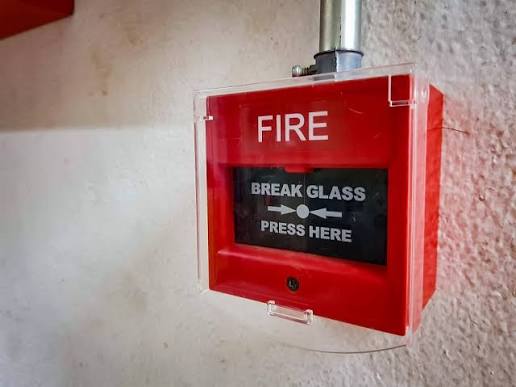
Maintaining a reliable fire detection system is essential for protecting commercial properties, employees, and valuable assets. Outdated or poorly maintained fire safety infrastructure can increase the risk of serious property damage, operational disruption, and regulatory problems.
Modern fire detection technology helps businesses identify potential threats quickly, improve emergency response times, and maintain compliance with current safety expectations. Investing in an upgraded detection network is not only a safety decision but also an important step toward protecting long-term business continuity and reputation.
Table of Contents
- Why outdated fire detection systems create evacuation risks
- Choosing the right approach for modern life safety solutions
- Planning the budget for fire safety upgrades
- Key stages of installing an intelligent detection system
- Frequently Asked Questions (FAQ)
Why Outdated Fire Detection Systems Create Evacuation Risks
Older fire alarm systems can become unreliable due to aging components, outdated technology, and reduced sensor accuracy. Faulty equipment may cause unnecessary false alarms or, more seriously, fail to provide an early warning during a genuine emergency.
Repeated false alarms can also affect occupant response, causing people to become less attentive when an actual fire threat occurs. Traditional systems may struggle to distinguish between smoke, steam, dust, and other environmental factors, making them less effective in complex commercial buildings.
Modern multi-sensor detection technology helps overcome these limitations by improving accuracy, reducing false activations, and providing faster identification of potential hazards. Upgrading an outdated system allows businesses to create safer evacuation procedures and better protect occupants.
Modern Fire Safety Solutions for Commercial Buildings
A successful fire safety strategy requires careful planning, technical knowledge, and a system designed around the specific needs of each property. Commercial buildings vary in size, layout, occupancy, and risk level, so a customized approach is often necessary.
Professional fire safety specialists can assess existing vulnerabilities, recommend suitable equipment, and install advanced addressable fire alarm systems with minimal disruption to daily operations.
A well-designed detection network can provide:
- Faster identification of fire-related threats
- More accurate alarm signals
- Improved monitoring capabilities
- Better integration with other building safety systems
Planning the Budget for Fire Safety Improvements
Funding necessary fire safety upgrades can be challenging, especially for businesses managing multiple properties. However, investing in reliable infrastructure can help reduce future risks and unexpected costs.
Working with experienced fire alarm professionals helps organizations create realistic project plans, control expenses, and complete upgrades efficiently. Careful budgeting may also allow businesses to allocate remaining resources toward additional safety improvements, such as emergency lighting, security systems, and access control solutions.
Key Stages of Installing an Intelligent Fire Detection System
Replacing an outdated fire alarm system with a modern digital solution requires detailed planning, accurate assessment, and professional installation. Every commercial property has different requirements, so technicians must evaluate the building structure, occupancy patterns, and potential fire risks before deployment.
A reliable installation process typically includes the following stages:
1. Conducting a Detailed Site Assessment
The first step is a complete evaluation of the property. Specialists review the building layout, identify possible fire hazards, analyze occupancy levels, and determine the best locations for detectors, alarms, and control equipment.
This assessment helps eliminate coverage gaps and ensures that the final system provides effective protection throughout the entire facility.
2. Installing Advanced Detection Equipment
Modern commercial fire systems often use addressable multi-sensor detectors that provide more accurate monitoring compared to traditional devices. These detectors are connected through durable fire-resistant cabling to maintain communication even in challenging conditions.
Proper installation ensures that every important area of the building receives appropriate protection and that alerts are delivered quickly when a potential danger is detected.
3. Programming and Testing System Integration
After installation, the fire alarm network must be programmed and thoroughly tested. This includes configuring cause-and-effect functions that allow the alarm system to communicate with other building systems, such as elevators, ventilation controls, and emergency response equipment.
Regular testing confirms that all components work correctly and that the system can respond effectively during an emergency.
Frequently Asked Questions (FAQ)
What is the typical lifespan of a commercial smoke detector?
Most commercial smoke detectors are designed to provide reliable performance for around 10 years. Over time, dust buildup, environmental exposure, and component aging can affect sensitivity and accuracy.
Replacing older detectors helps maintain dependable fire detection performance and reduces the possibility of delayed warnings or unnecessary false alarms.
Can a fire detection system continue working during a power outage?
Yes. Commercial fire alarm systems are designed with backup power supplies, including standby batteries, to maintain operation during electrical failures.
These backup systems ensure UFABET monitoring and alarm functions continue for a required period, allowing occupants sufficient time to respond and evacuate if necessary.
Should a building alarm system be connected to a monitoring center?
Although requirements vary depending on the property type and local regulations, connecting a fire alarm system to a professional monitoring center can provide additional protection.
A monitoring service can quickly notify emergency responders when an alarm activates, which is especially valuable for large, high-risk, or unoccupied buildings.
How often should manual fire alarm points be tested?
Manual call points should be tested regularly according to applicable safety standards and maintenance schedules. Many facilities perform routine weekly checks using different call points to confirm that alarms, control panels, and notification devices are functioning correctly.
Consistent testing helps identify faults early and ensures that the system remains ready when it is needed most.
Final Thoughts
A dependable fire detection system is one of the most important safety investments for any commercial property. Regular maintenance, timely upgrades, and professional installation help reduce risks, protect occupants, and support compliance with fire safety requirements.
By moving away from outdated technology and adopting modern detection solutions, businesses can create safer environments while protecting their assets and long-term operations.





Be First to Comment