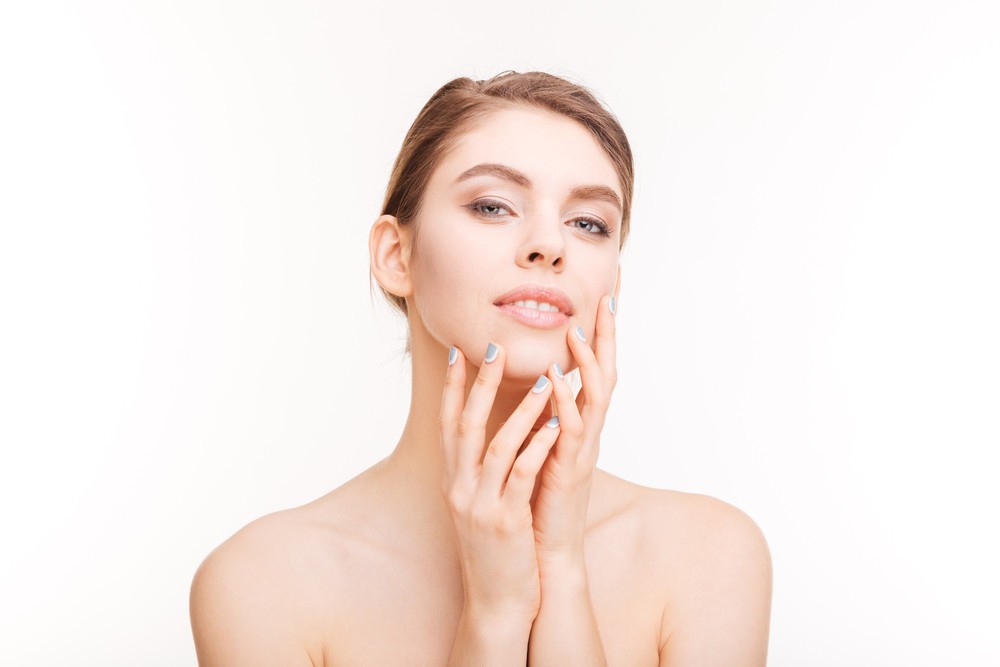
Professional skin treatments can be one part of a broader routine for maintaining healthy-looking skin. While at-home cleansing and moisturising are important, treatments performed by trained professionals can provide targeted care based on individual skin goals. Dermaplaning, for example, is a popular option for exfoliating the skin’s surface. Environmental conditions and nutrition can also influence overall skin wellness, making a well-rounded approach useful.
Exploring Professional Skin Treatments
Professional treatments can address different aspects of skin care, from exfoliation and texture to hydration and overall appearance. Because skin needs vary from person to person, a professional can help determine which treatments may be appropriate for an individual’s goals and skin type.
Dermaplaning is one treatment that focuses on exfoliation. It uses a specialised blade to gently remove dead skin cells and fine facial hair from the surface of the skin. According to WebMD, a typical dermaplaning session takes around 30 minutes, making it a relatively brief treatment option for people who want to incorporate professional exfoliation into their routines.
The goal of professional treatments is not necessarily to replace daily skin care. Instead, they can complement consistent at-home habits. Following appropriate aftercare instructions and maintaining a routine can help support the skin between appointments.
Considering Your Indoor Environment
Skin health is influenced by more than the products applied directly to the face. The environment can also affect how comfortable and hydrated skin feels. Heating and air conditioning, for example, can contribute to changes in indoor humidity, while dust and other airborne particles may affect overall indoor conditions.
People spend a substantial amount of their daily lives inside. According to the Environmental Protection Agency, Americans spend approximately 90% of their time indoors. This makes the indoor environment worth considering as part of a broader approach to personal wellness.
Simple habits can help support comfortable skin in these surroundings. Using a humidifier when indoor air is particularly dry, staying hydrated, and keeping living spaces clean can complement a regular skin-care routine. People who experience persistent dryness or irritation may also want to discuss their concerns with a qualified health or skin-care professional.
Supporting Skin Health Through Nutrition
Professional skin treatments address the outside of the body, but healthy skin also benefits from a balanced lifestyle. Nutrition is one consideration. Eating a varied diet that includes fruits, vegetables, whole grains, lean proteins, and other nutrient-rich foods can help provide the body with the nutrients it needs for normal functions.
Citrus fruits are one way to add variety to a balanced diet. According to Johns Hopkins Medicine, one grapefruit provides approximately 10% of the daily recommended potassium intake, as well as 8% of the recommended amounts of thiamine and folate. Including nutrient-rich foods such as grapefruit can be part of an overall approach to supporting wellness.
Nutrition should not be viewed as a replacement for professional skin care or medical treatment when a skin concern requires attention. Instead, maintaining balanced eating habits can complement other healthy lifestyle choices.
Building a Consistent Skin-Care Routine
Professional treatments tend to work best when they are considered alongside everyday skin-care habits. A consistent routine may include gentle cleansing, moisturising and sun protection. The appropriate products and frequency can depend on factors such as skin type, sensitivity, and individual concerns.
It is also important to follow professional recommendations after receiving a treatment. Some procedures may temporarily make the skin more sensitive, so following aftercare instructions can help reduce unnecessary irritation. Avoiding products or activities that a professional recommends limiting can also support the skin’s recovery.
Rather than relying on a single treatment or product, people can take a more comprehensive approach. Professional services, environmental awareness, nutrition, and daily skin care can all play different roles in maintaining healthy-looking skin.
Taking a Balanced Approach to Skin Wellness
Healthy skin involves more than occasional professional treatments. Services such as dermaplaning can provide targeted exfoliation, while everyday habits can help maintain the results and support the skin over time. Paying attention to indoor conditions and maintaining a balanced diet can further complement a regular skin-care routine.
The most appropriate approach will vary based on individual skin needs and goals. By combining professional guidance with consistent daily habits, people can create a practical routine focused on maintaining healthy, comfortable, and well-cared-for skin.





Be First to Comment