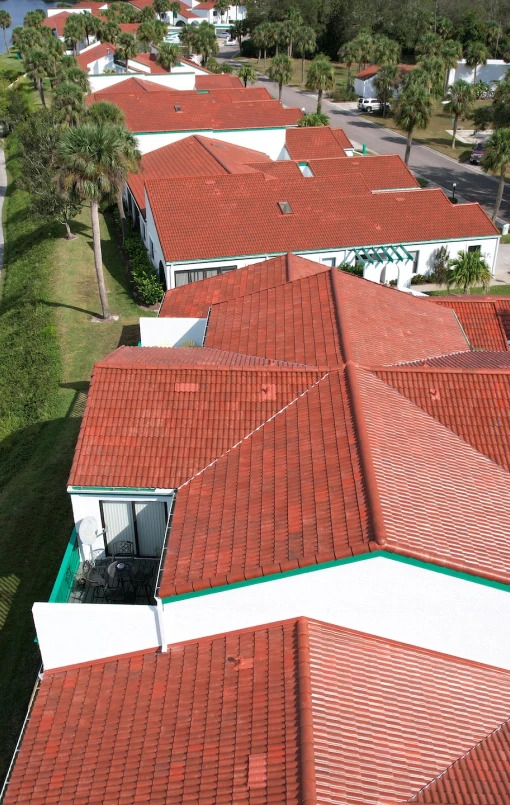
Homeowners in Punta Gorda should opt for roofing materials that are built to last, especially with the coastal climate’s challenges like humidity, saltwater, and high winds.
Metal roofing is frequently advised due to its resistance to rust, while concrete tiles and other coastal-grade materials also prove effective in this environment.
Residential roofing often features sloped designs with lighter materials, compared to commercial roofs that generally consist of flat surfaces and heavier components; thus, knowledge in both areas is crucial when selecting a contractor.
During hurricane season, roofs designed with wind-resistant materials and proper installation techniques can greatly mitigate the risk of storm damage.
It’s wise for homeowners to focus on finding reliable contractors by verifying their licensing, reading customer reviews, and reviewing their portfolio of past projects.
Well-regarded contractors often hold certifications that showcase their quality of workmanship and are likely to offer warranties as a testament to their confidence in their services.
The roofing process involves various stages, from detailed estimates to continuous communication during installation, which helps homeowners stay informed of each step and timeline along the way.
Identifying the Right Roofing Solutions for Punta Gorda Homes
Homeowners face distinct challenges in Punta Gorda when selecting roofing materials. The coastal climate demands durability and resilience against environmental factors. It’s not merely a style choice; practical solutions must endure through time. So, what influences these material selections in this particular region?
Factors Influencing Material Choices in Coastal Climates
The state’s coastal regions grapple with humidity, saltwater, and fierce winds. These conditions can quickly corrode materials that may work just fine further inland. Experts emphasize the importance of selecting materials that offer durability in such environments. For example, metal roofing often emerges as a popular choice, thanks to its rust-resistant qualities. Additional viable options include:
- Concrete tiles – These are celebrated for their durability, effectively resisting debris and impact.
- Asphalt shingles – While affordable and versatile, they do require ongoing maintenance.
- Coastal-grade materials – Specifically engineered to combat the salt’s corrosive effects.
Even the choice of color can make a noticeable difference. Darker hues tend to absorb heat, whereas lighter shades reflect it. This choice can significantly affect summer cooling costs!
Residential vs. Commercial Roofing: What’s the Difference?
Clients frequently inquire about the differences between residential and commercial roofing. On the surface, it may seem like they operate on the same principles, but that’s where the differences begin. Residential roofs typically feature sloped designs with lighter materials, while commercial roofing often uses flat structures and heavier components. Each category comes with its distinct requirements.
During consultations with a Punta Gorda roofing contractor, it’s crucial to ask about their specialization. Professionals focusing on residential roofing might lack the required expertise for larger commercial projects. Recognizing these distinctions helps ensure the selection of the right contractor for the job.
Storm Preparedness: How Professional Roofing Can Save Your Assets
Hurricane season brings considerable risks for homeowners in Punta Gorda. The impact of storms can go beyond mere inconvenience, leading to extensive damage. The condition of a roof can be pivotal; it could mean merely needing repairs or encountering a complete disaster.
Understanding the Impact of Hurricanes on Roofing Integrity
Hurricanes unleash high winds that can dislodge shingles and jeopardize the integrity of the entire roof. Winds exceeding 110 mph can potentially endanger most roofing systems. It’s vital to recognize how storms can affect roof integrity.
Even well-installed roofs can fail if they’re not constructed to withstand hurricane conditions.
When preparing for storms, homeowners should contemplate features like:
- Wind-resistant materials – Seek materials with wind ratings that meet or surpass local codes.
- Impact-resistant products – Engineered to resist flying debris and extreme weather conditions.
- Proper installation techniques – Ensure that the roofing contractor is knowledgeable about the specific local regulations.
Essential Features of a Storm-Resilient Roof
So, what should homeowners focus on to achieve a storm-resistant roof? It boils down to specific designs and robust materials. Roof structures with minimized overhangs and securely fastened installations are generally more capable of weathering storms.
A quality underlayment can prevent water infiltration, while reinforced flashing helps to keep gaps and tears at bay. These attributes not only protect against storms but also contribute to overall longevity.
Regular maintenance checks are crucial. Post-storm inspections allow for early identification of vulnerabilities, which can save homeowners from expensive repairs down the line.
Choosing the Right Contractor: Key Questions to Ask
Picking the ideal roofing contractor isn’t just a matter of cost; it’s about investing in the safety and value of a property. Clients can find the variety of options daunting, but asking the right questions can simplify the decision-making process. Essential inquiries can shed light on what a reputable contractor offers.
Signs of a Trustworthy Roofing Company in Punta Gorda
A reliable contractor will display professionalism from the very first interaction. Are they quick to respond? Do they provide comprehensive estimates? Look for these important traits:
- Licensing and insurance – Confirm credentials to ensure coverage during the project.
- Customer reviews and testimonials – Strong indicators of past performance and reliability.
- Portfolio of previous works – Visual proof of quality and diversity in projects.
A commendable roofing contractor doesn’t merely install roofs; they cultivate relationships. They ought to be ready to assist clients in making choices that align with their needs and budgets.
How Certifications and Experience Matter in Your Selection
Experience is a critical factor. Roofing systems are intricate and necessitate a thorough understanding and skillful execution. Certifications, such as endorsements from manufacturers, can also reveal a contractor’s superior performance.
Professionals recommend inquiring about specific certifications, as these often correlate with better materials and service quality. Typically, experienced contractors even provide warranties on their labor, a mark of confidence in their work.
The Complete Process: From Estimate to Installation
Grasping the process, from the initial estimate to installation, can clarify what lies ahead. Homeowners often underestimate the logistics involved in roofing projects. By setting clear expectations from the start to the final touches, satisfaction can be enhanced and anxiety reduced.
What Homeowners Should Expect During a Roofing Project
A comprehensive roofing project kicks off with a thorough estimate. The contractor should inspect not just the roof but also adjacent structures. They’ll also recommend materials fitting for the Punta Gorda climate while providing anticipated costs. Typically, homeowners can expect a timeline ranging from days to weeks, depending on several factors.
So, what else is included?
- Pre-installation inspections – Ensures that current conditions are suitable for new roofing.
- Site preparation – Setting up the work area reduces disruptions and potential dangers.
- Ongoing communication – Dependable contractors keep clients updated throughout the process.
However, here’s the important part; maintaining transparency and education throughout the process ultimately benefits homeowners. Being well-informed can truly make a difference when the project is underway.
Common Timelines and Milestones in Roofing Projects
Although timelines can fluctuate based on the roof size and complexity of the job, some milestones can usually be anticipated. Generally, demolition and removal of old roofing may take one to two days, while the installation process might extend over several days depending on the chosen materials.
A rough timeline might look like this:
- Week 1: Initial inspection and estimate.
- Week 2: Material selection and preparation for installation.
- Week 3: Installation of the new roofing system.
These milestones allow homeowners to observe the project’s progress and make timely decisions. Being prepared minimizes the stress that often accompanies home improvement projects.
Punta Gorda’s distinctive landscape and climate demand careful consideration regarding roofing solutions. Whether homeowners aim to boost their property’s storm resistance or are seeking the ideal Punta Gorda roofing contractor, each decision is crucial. Taking a proactive approach to roofing will not only protect properties but also provide peace of mind for years to come. Collaborating with credible professionals lays the groundwork for a solid roof designed for long-lasting performance.
FAQ
What are the best materials for roofing in Punta Gorda?
Experts typically suggest metal roofing, concrete tiles, and various coastal-grade materials that can withstand high winds and humidity. Each material presents its unique advantages, crafted to meet the region’s challenges to ensure informed selections by homeowners.
How can homeowners enhance the storm resilience of their roofs?
Homeowners can improve storm resilience by choosing impact-resistant products and ensuring that proper installation techniques are strictly followed. Moreover, regular maintenance and prompt inspections following storms help identify potential weaknesses before they escalate.
What’s the typical lifespan of a coastal roofing system?
The lifespan of a coastal roofing system typically ranges from 15 to 50 years, depending on the selected material. For example, metal roofs can last up to 50 years, while asphalt shingles usually need replacement within 20 years.
How do contractors assess the condition of an existing roof?
Contractors usually carry out comprehensive inspections that entail evaluating shingles, underlayment, and flashing. This thorough assessment helps determine necessary repairs or if a full replacement is needed based on the roof’s present condition.
What materials are commonly used for flat commercial roofs?
Flat commercial roofs commonly employ materials like EPDM (ethylene propylene diene monomer), TPO (thermoplastic olefin), and modified bitumen. Each of these choices is crafted to meet specific needs regarding durability and cost-effectiveness.
How do local building codes impact roofing choices?
Local building codes play a significant role in shaping roofing decisions by establishing particular standards concerning materials and installation methods. Homeowners should consult their contractors to ensure compliance, as it can prevent future complications related to inspections or insurance claims.
Are there any warranties available for roofing materials and workmanship?
Numerous contractors provide warranties on both materials and workmanship, which can range from a few years up to a lifetime. Such warranties act as a mark of the contractor’s confidence and offer homeowners assurance regarding their investment.
What are the most pressing questions to ask a roofing contractor before hiring?
Homeowners should seek clarity on licensing and insurance, request detailed estimates, and inquire about past project experiences. Additionally, understanding warranty policies and certifications is crucial for assessing the contractor’s professionalism and dependability.




Be First to Comment