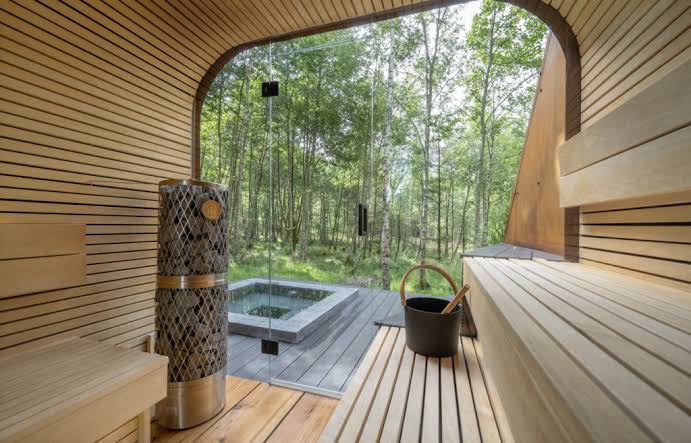
Saunas have become an increasingly popular feature in modern homes, wellness centers, hotels, gyms, and recreational facilities. Once primarily associated with traditional Nordic bathing culture, saunas are now recognized as an important part of contemporary wellness and lifestyle design. People use them to relax after busy working days, support post-exercise recovery, and create a comfortable space dedicated to personal well-being.
As interest in home wellness continues to grow, sauna designs and heating technologies are also evolving. From traditional wood-fired rooms to modern infrared cabins and outdoor sauna installations, there are now options for different spaces, budgets, and lifestyle preferences. Understanding the available types, their features, and the factors involved in choosing the right model can help homeowners and businesses make informed decisions.
Understanding How Saunas Work
A sauna is an enclosed space designed to expose the body to controlled heat. Depending on its heating system, the environment may be heated through a traditional sauna heater, steam generation, or infrared technology.
Traditional saunas generally use electric or wood-burning heaters to warm the surrounding air and sauna stones. Temperatures are typically higher than those found in ordinary indoor environments, while users can sometimes add small amounts of water to heated stones to create a temporary increase in humidity.
Infrared saunas work differently. Instead of relying mainly on heated air, infrared heating elements emit radiant energy that warms the body directly. These systems generally operate at lower air temperatures than traditional saunas, making them an appealing option for people who prefer a gentler heat environment.
Both approaches provide a dedicated relaxation experience, but the best choice depends on individual comfort, available space, and personal preferences.
Health and Wellness Benefits of Regular Sauna Use
One of the main reasons people incorporate saunas into their routines is relaxation. Spending time in a comfortably heated environment can help individuals slow down, disconnect from daily distractions, and establish a regular wellness habit.
Several potential benefits explain the growing interest in sauna use.
1. Relaxation and Stress Management
Modern lifestyles often involve long working hours, digital distractions, and demanding schedules. A sauna provides an opportunity to step away from these pressures.
The warmth encourages relaxation and may help reduce feelings of tension. Creating a consistent sauna routine can also become part of a broader self-care practice that includes adequate sleep, physical activity, and balanced nutrition.
2. Muscle Relaxation After Exercise
Athletes and fitness enthusiasts often use saunas as part of their post-workout recovery routines. Exposure to warmth may temporarily increase circulation and help muscles feel more relaxed after physical activity.
However, sauna sessions should not replace proper recovery practices such as hydration, stretching, nutrition, and sufficient rest.
3. Supporting Cardiovascular Wellness
Research has explored possible relationships between regular sauna bathing and cardiovascular health. Heat exposure temporarily increases heart rate and changes blood circulation as the body works to regulate its temperature.
Some observational studies have associated frequent sauna use with better cardiovascular outcomes. Nevertheless, these findings do not establish that sauna bathing alone prevents or treats heart disease.
People with cardiovascular conditions or other medical concerns should consult a healthcare professional before starting regular sauna sessions.
4. Creating a Better Sleep Routine
Some people find that a sauna session in the evening helps them relax before bedtime. The gradual cooling of the body after leaving a heated environment may also support the natural transition toward sleep.
Individual responses vary, so it is sensible to experiment with session timing and avoid excessive heat exposure close to bedtime if it causes discomfort.
Different Types of Saunas for Modern Living
Sauna technology has developed considerably, offering different heating systems, construction styles, and installation options.
Traditional Finnish Saunas
Traditional Finnish-style saunas remain popular because of their familiar heating experience and natural wooden interiors. They usually feature a dedicated heater, sauna stones, seating benches, ventilation, and temperature controls.
Wood selection is particularly important. Materials such as hemlock and cedar are commonly used because of their suitability for sauna environments and attractive appearance.
These saunas work well in private homes, hotels, fitness centers, and dedicated wellness facilities.
Infrared Saunas
Infrared saunas have become increasingly common in residential wellness spaces. Their heating elements use infrared energy rather than depending entirely on heating the surrounding air.
Many models include adjustable temperature settings, digital controls, lighting, and audio features. Full-spectrum infrared systems may incorporate different infrared wavelengths.
Their relatively moderate operating temperatures and compact designs make them attractive to homeowners looking for a convenient wellness installation.
Steam Saunas
Steam-based sauna environments emphasize high humidity and warm vapor. They are often associated with spa facilities, relaxation rooms, and specialized bathing experiences.
Because moisture levels are high, construction requires appropriate waterproofing, drainage, ventilation, and moisture-resistant finishes. Proper planning is essential to protect surrounding walls and building materials.
Outdoor and Barrel Saunas
Outdoor saunas provide another way to create a dedicated relaxation area without occupying valuable indoor space.
Barrel saunas are particularly recognizable because of their curved wooden structures. Their distinctive appearance makes them suitable for gardens, private outdoor wellness areas, resorts, and recreational properties.
Outdoor models require careful attention to weather resistance, foundation preparation, electrical installation, and heater clearances.
Portable and Compact Saunas
Not every property has enough room for a permanent sauna installation. Portable and compact models provide alternatives for people who want a smaller personal wellness setup.
These products are particularly relevant to apartments, smaller houses, and temporary wellness arrangements. Before purchasing, users should check electrical requirements, ventilation needs, product dimensions, and manufacturer safety instructions.
What to Consider When Choosing a Sauna
Selecting a sauna involves more than comparing prices and external appearances. Buyers should consider how the product will be used, where it will be installed, and what features are genuinely necessary.
Available Space: Measure the intended installation area before choosing a model. Consider ceiling height, door clearance, seating arrangements, and space for maintenance.
Heating Technology: Decide whether a traditional heater, infrared system, or steam-based environment better matches your preferences.
Construction Materials: Look for durable materials that are appropriate for repeated exposure to heat and moisture. The quality of wood, insulation, glass, fittings, and internal components can influence long-term performance.
Energy Efficiency: Heating capacity, insulation quality, operating duration, and temperature controls all affect energy consumption. Comparing these factors can help estimate ongoing costs.
Safety Features: Temperature sensors, automatic shut-off functions, suitable electrical protection, and proper ventilation are important considerations.
Maintenance Requirements: Different sauna systems have different cleaning and maintenance needs. Easy access to heating components and replaceable parts can simplify long-term ownership.
Why Custom Sauna Designs Are Becoming More Popular
Customization is an important trend in residential and commercial wellness construction. Instead of choosing a standard-sized cabin, buyers increasingly want sauna installations that complement their available space and interior design.
For example, a homeowner may prefer a compact two-person infrared sauna for a spare room, while a hotel might require several traditional sauna cabins for a dedicated wellness department.
Similarly, gyms may prioritize durable materials and straightforward controls because their equipment experiences frequent use.
Working with an experienced sauna manufacturer can help buyers explore different configurations, materials, heating technologies, and functional features before finalizing a project.
Smartmak, established in 2005, offers sauna solutions for residential and commercial applications. Its product range includes infrared saunas, traditional and steam saunas, barrel saunas, outdoor models, portable saunas, and customized home sauna designs.
The company also provides customization services covering material selection, structural planning, aesthetic preferences, and functional modules. These options can be relevant to homeowners, hospitality businesses, wellness operators, distributors, and property developers seeking products suited to specific requirements.
Saunas in Residential and Commercial Construction
Saunas are no longer limited to specialized spas. They are increasingly being incorporated into different types of property developments.
In residential construction, a sauna can become part of a bathroom, basement, spare room, or outdoor garden area. Its design should complement the surrounding architecture while allowing enough room for safe operation and ventilation.
Hotels and resorts often incorporate saunas into larger wellness facilities alongside swimming pools, fitness areas, massage rooms, and relaxation lounges. In these settings, durability, capacity, cleaning requirements, and operating costs are especially important.
Property developers may also consider wellness facilities when planning premium residential communities. A thoughtfully designed sauna area can improve the overall appeal and functionality of shared amenities.
However, successful installation requires coordination between the sauna supplier, architects, electricians, contractors, and building professionals. Electrical capacity, moisture management, fire safety, and local building regulations should be considered before construction begins.
Safe Sauna Practices for Beginners
Although saunas can be enjoyable, responsible use is essential.
First-time users should begin with shorter sessions and comfortable temperatures rather than immediately attempting extended exposure. Drinking sufficient water before and after a session is also important because sweating causes fluid loss.
Avoid alcohol before or during sauna use, and leave the sauna immediately if you experience dizziness, nausea, unusual weakness, or discomfort.
People who are pregnant or have medical conditions, including cardiovascular problems or blood pressure concerns, should seek appropriate medical advice before using a sauna.
Children should only use saunas under suitable adult supervision and according to product-specific safety guidance.
Regular maintenance is equally important. Benches, floors, door handles, ventilation openings, and other frequently touched surfaces should be cleaned according to the manufacturer’s recommendations.
The Future of Sauna and Home Wellness Design
The sauna industry continues to evolve alongside growing interest in personalized wellness and healthier living environments. Modern consumers are looking for more than a heated wooden room. They want comfortable seating, efficient heating systems, attractive materials, smart controls, and designs that fit naturally into their homes.
Manufacturers are responding with compact infrared cabins, customizable outdoor structures, energy-conscious heating solutions, and products designed for commercial wellness facilities.
As these developments continue, saunas are likely to become an increasingly familiar feature of residential and hospitality projects.
Ultimately, choosing the right sauna requires balancing comfort, construction quality, safety, available space, and long-term maintenance. With thoughtful planning and an appropriate product selection, a sauna can become a practical addition to a home or commercial wellness environment, providing a dedicated place to relax and enjoy the benefits of controlled heat exposure.





Be First to Comment