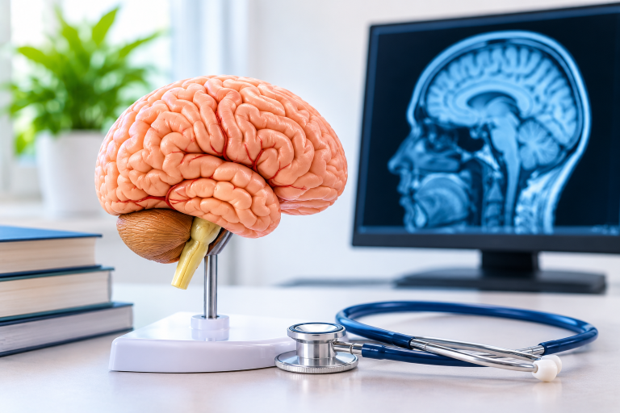
Most of us ignore a headache, a tingling hand or a brief spell of dizziness, and usually that is fine. But sometimes these everyday symptoms are early signs of a problem in the brain, spinal cord or nerves. Knowing when to see a neurologist can make a real difference, especially for conditions like stroke, where every minute counts. This article explains what a neurologist does, which symptoms need an emergency visit, and which ones need a planned consultation.
What Does a Neurologist Do?
A neurologist is a doctor who diagnoses and treats disorders of the nervous system, which includes the brain, spinal cord and nerves. Neurologists treat conditions such as stroke, epilepsy, migraine, Parkinson’s disease, dementia, multiple sclerosis, nerve damage (neuropathy) and sleep disorders. If surgery is needed, for example for a brain tumour or a spine problem, the neurologist works with a neurosurgeon.
Emergency Signs: Go to the Hospital Immediately
Some symptoms should never wait for an appointment. Call an ambulance or go straight to the emergency department if you or someone near you has:
- Sudden weakness, numbness or paralysis of the face, arm or leg, especially on one side of the body
- Sudden difficulty speaking, slurred speech or trouble understanding others
- Sudden loss of vision in one or both eyes, or double vision
- Sudden loss of balance or difficulty walking
- A sudden, severe headache, often described as “the worst headache of my life”
- A seizure (fit) for the first time, or a seizure that lasts more than five minutes
- Confusion, fainting or loss of consciousness after a head injury
- Weakness in both legs that spreads upwards over hours or days
Remember BE FAST for stroke
Balance loss, Eyes (vision changes), Face drooping, Arm or leg weakness, Speech difficulty and Time to call for help. Treatment for stroke works best when started early. Some clot-dissolving medicines can only be given within a few hours of symptoms starting, so note the time symptoms begin and do not wait to see if they go away.
Warning Signs That Need a Neurologist Consultation
These symptoms are not always emergencies, but they should be checked by a neurologist, especially if they keep coming back, get worse over time or affect daily life.
1. Frequent or changing headaches
Headaches that are frequent, wake you from sleep, get worse over weeks, or come with vomiting, vision changes or weakness should be evaluated. A neurologist can also help manage migraine that does not respond to regular painkillers.
2. Numbness, tingling or burning
Persistent “pins and needles” in the hands or feet can be a sign of nerve damage. This is common in people with diabetes, vitamin B12 deficiency or nerve compression.
3. Dizziness and balance problems
Repeated episodes of spinning (vertigo), unsteadiness or frequent falls need assessment, as they can come from the inner ear, the brain or the nerves.
4. Memory loss and confusion
Forgetting recent events, repeating questions, getting lost in familiar places or changes in personality may be early signs of dementia or other treatable conditions such as thyroid problems or vitamin deficiencies.
5. Tremors and slow movements
Shaking of the hands at rest, stiffness, slow walking or smaller handwriting can be signs of Parkinson’s disease. Early diagnosis helps with treatment planning.
6. Muscle weakness
Gradual weakness, difficulty climbing stairs, frequent tripping or trouble gripping objects should be checked by a neurologist.
7. Fainting spells or unexplained blackouts
Brief episodes of staring, jerking movements or blackouts may be seizures and need proper evaluation.
8. Speech, swallowing or vision changes
Slurred speech, difficulty swallowing or blurred vision that comes and goes should not be ignored, even if each episode is short.
Recovering from Stroke and Paralysis
Paralysis, the loss of movement in part of the body, is most often caused by stroke. It can also follow spinal cord injury, nerve disorders or conditions like Bell’s palsy, which affects one side of the face. Recovery usually needs a team: neurologists, physiotherapists, speech therapists and family support. Patients and families looking for a paralysis hospital in Malviya Nagar, Jaipur should look for a centre that offers both emergency neurology care and structured rehabilitation after discharge.
Who Is at Higher Risk of Neurological Problems?
Anyone can develop a nervous system condition, but the risk is higher for people who:
- Have high blood pressure, diabetes or high cholesterol
- Smoke or drink alcohol regularly
- Have heart rhythm problems such as atrial fibrillation
- Have a family history of stroke, epilepsy or dementia
- Are above 60 years of age
Controlling blood pressure and blood sugar, staying active, eating a balanced diet and getting regular health check-ups can lower the risk of stroke and many other neurological conditions.
What to Expect at Your First Neurology Appointment
The neurologist will ask about your symptoms, when they started and how often they happen. A neurological examination checks strength, reflexes, sensation, balance, coordination, vision and memory. Depending on the findings, you may be advised tests such as:
- CT scan or MRI of the brain or spine
- EEG to record the brain’s electrical activity
- Nerve conduction studies and EMG to test nerves and muscles
- Blood tests to look for causes such as infection, vitamin deficiency or thyroid problems
It helps to carry previous reports, a list of current medicines and, if possible, a family member who has seen the symptoms, especially for seizures or memory problems.
Neurology Care in Jaipur
Apex Hospitals has neurology departments at its Mansarovar and Malviya Nagar units in Jaipur, making it a trusted neuro hospital in Mansarovar Jaipur for assessing and treating conditions such as stroke, epilepsy, headache disorders, movement disorders and nerve problems. If you notice any of the warning signs above, consult a neurologist without delay, and in an emergency, go to the nearest hospital immediately.
Conclusion
The nervous system controls everything we do, from walking and talking to remembering and feeling. Sudden symptoms like weakness, speech problems or a severe headache need emergency care, while repeated or slowly worsening symptoms need a neurologist’s opinion. Paying attention early can lead to quicker diagnosis, timely treatment and better recovery.





Be First to Comment