If you’ve been around construction for a while, you know how things used to work. You’d blow up a chunk of rock—or tear down an old building—and then spend a fortune hauling that mess to some stationary crusher miles away. Then, you’d pay to haul it back. It felt wasteful, honestly.
Fast forward to 2026, and that whole model is basically dead. Well, for a lot of us, anyway. The shift to mobile crusher plants, those tracked or wheeled units you see tucked into tight job sites—has changed the math completely. They’re not just fancy equipment anymore; they’re the reason some projects are actually turning a profit.
Why Everyone Made the Switch
I remember when the idea of crushing on-site sounded like a logistical headache. But then fuel prices kept climbing, and city regulations started cracking down on truck emissions. Suddenly, those old stationary plants felt like a liability.
The beauty of a mobile crusher is that it cuts out the middleman. No trucks. No waiting. You dig it up (or knock it down), you feed it into the machine, and you pour it back into the slab you’re working on. It’s a closed loop, and in 2026, that loop is the only way to keep costs under control.
What You’re Actually Looking At
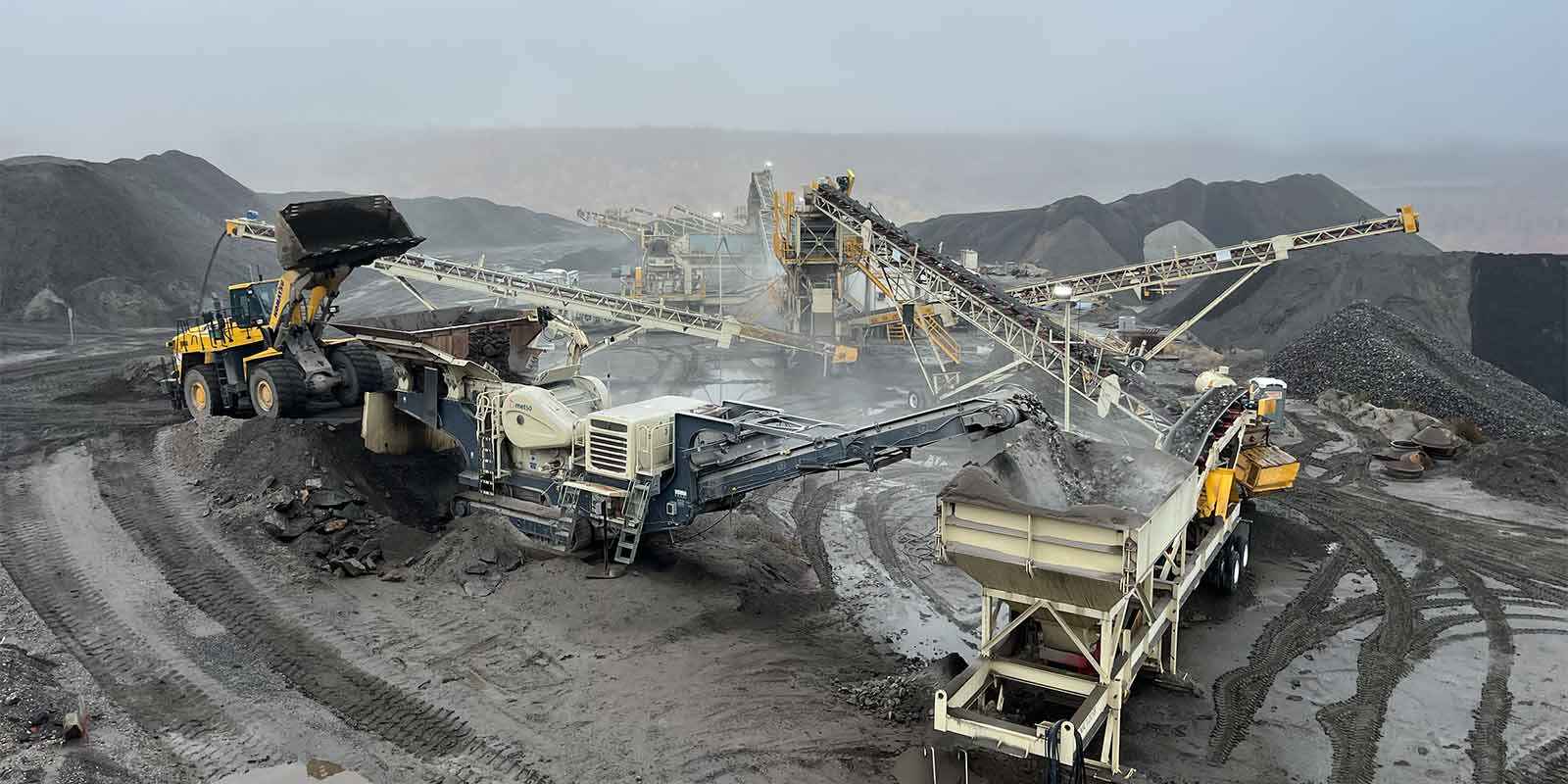
If you haven’t seen one up close, a mobile crusher is basically a mini processing plant strapped to a vehicle. It’s got the feeder, the crusher itself, the conveyor belts, and the screens—all in one package.
Depending on the site, you might be feeding it virgin limestone for a highway base, or you might be throwing chunks of old concrete and asphalt into it. The machine doesn’t really care; it just chews it up and spits out something usable.
How It’s Changing the Workflow
Let’s break down what this actually means for the guys on the ground.
1. No More “Hurry Up and Wait”
We’ve all been there: you’re ready to pour, but the aggregate truck is stuck in traffic. With a mobile crusher, if you need more material, you just run the machine for another hour. You control the supply chain. That alone has saved my sanity on tight deadlines.
2. The Cost Side
Honestly, the ROI on these things is hard to argue with. You’re paying for diesel and an operator. You aren’t paying for a fleet of haul trucks, you aren’t paying for tipping fees at the landfill, and you aren’t paying the premium for virgin aggregates. For a medium-sized site, the savings can cover the lease payment on the crusher itself.
3. The “Green” Angle (That Actually Saves Money)
I’m not usually one for buzzwords, but the sustainability piece is real. When you crush concrete on-site, that’s not “waste” anymore. It’s fill. It’s base course. You’re basically turning your garbage into inventory. Plus, the local municipalities love it because you’re not sending a thousand trucks through residential streets.
4. It Fits Almost Anywhere
I’ve seen these things working in spots where you wouldn’t think you could fit a wheelbarrow. In downtown work, where space is a nightmare, a tracked crusher can crawl right up to the foundation, do its job, and move out of the way for the excavator. Try doing that with a fixed plant.
5. Speed is the Name of the Game
Time is money—cliché, but true. When you’re processing on-site, you’re running a continuous operation. The excavator fills the hopper, the crusher runs, the loader takes the product to where it’s needed. There’s no downtime waiting for material to arrive or depart.
6. They’re Smarter Now
The old crushers were loud, dirty, and dumb. The new ones? They have screens in the cab telling you exactly what the output is. Some of them, you can adjust the settings from a tablet. If something jams, the machine tells you before you blow a belt. It’s a lot less of a headache to run than it used to be.
7. Safety Perks
Fewer trucks on site means fewer accidents. That’s just statistics. Plus, the newer models have dust suppression that keeps the air breathable and sound barriers that keep the neighbors from calling the cops every hour. It makes the site feel less like a war zone.
Where You See Them Most
I notice them most on a few specific types of jobs:
Road Crews
They love them. Pull up, mill the old asphalt, crush it with the virgin aggregate, and lay it back down. No waiting for the quarry.
City Demolition
That old brick building gets knocked down, fed into the crusher, and becomes the backfill for the new foundation. It’s satisfying to watch.
Remote Quarries
If you’re out in the middle of nowhere, setting up a permanent crusher is overkill. A mobile unit moves with the face of the quarry, keeping haul distances short.
The Downsides (Because Nothing’s Perfect)
Look, they’re not magic. The upfront cost is still a barrier for smaller outfits. You can’t just hand the keys to anyone either; you need a sharp operator who knows how to keep the feed consistent. If you starve it, you lose efficiency; if you choke it, you’re down for an hour fixing a jam.
Also, if you’re doing a massive, high-volume project that’s going to run for years, a stationary plant might still win on pure tonnage. But for the majority of projects I see these days, the flexibility of the mobile unit wins out.
What’s Coming Next?
I’ve been seeing a few electric hybrids popping up lately. They’re quiet. Creepily quiet. It’s weird to stand next to a crusher and have a conversation without yelling. I think that’s where it’s all heading—less diesel, more battery, and eventually, autonomous machines that you just monitor from a trailer.
Wrapping It Up
For me, the mobile crusher plant isn’t just a piece of equipment anymore. It’s changed the way I bid on jobs. I know I can take on projects that involve demolition and new construction at the same time because I can close the loop on materials.
If you’re still hauling material off-site to be processed, you’re probably leaving money on the table. The technology has caught up, the costs have come down (relatively speaking), and the job sites are only getting tighter. It’s just the way things are done now.




Be First to Comment