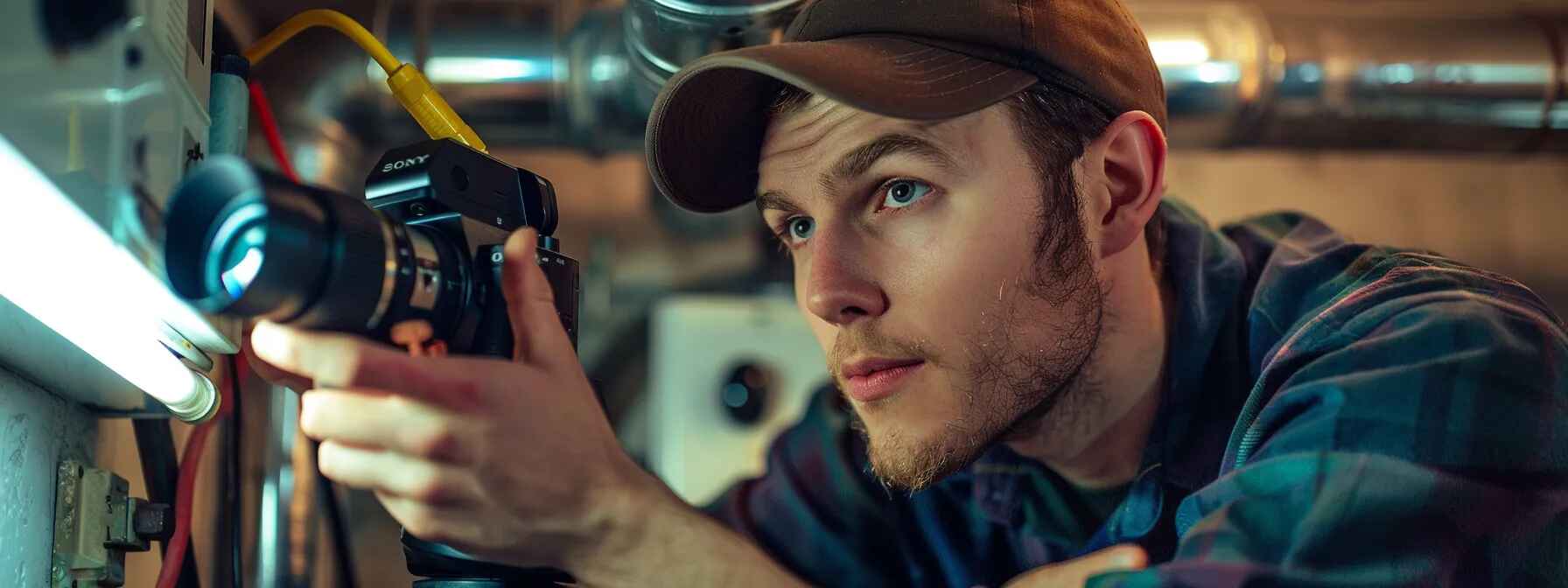
When a faucet drips or a pipe bursts in your home, deciding between a professional plumber and a DIY fix can be daunting. The choice has implications not just for immediate results but for the long-term integrity of your plumbing system. The cost, complexity, and potential risks associated with plumbing repairs vary, making the decision-making process unique for each homeowner.
In this article, we’ll explore the advantages and disadvantages of hiring professional plumbers versus tackling issues yourself. We’ll consider factors such as cost, complexity, safety, and the long-term outcomes of each approach to help guide you in making an informed decision based on your specific plumbing needs.
Understanding Professional Plumbing Benefits
Choosing a professional plumber brings the assurance of skilled craftsmanship backed by training and experience. These experts are well-versed in local building codes and regulations, ensuring compliant and safe installations or repairs. Moreover, they’re likely to guarantee their work, offering added peace of mind.
Professional services often come with access to specialized tools and equipment that can mean the difference between a temporary fix and a long-term solution. For instance, camera inspections and hydro jetting are just a couple of advanced techniques utilized by professionals to effectively diagnose and resolve plumbing issues.
When considering professional help, assess the scope of your project and research local service providers. Look into their reviews, response times, and warranties offered to ensure they meet your standards for quality and reliability. When in need of assistance, seeking local plumbers can be immensely beneficial.
Assessing the Complexity of Your Plumbing Project
One of the first steps in deciding between a DIY or professional plumbing solution is to evaluate the project’s complexity. Simple tasks like changing a showerhead might be manageable DIY endeavors, while replacing sewer lines definitely calls for professional expertise.
Understand the stakes involved; water damage from an improperly fixed leak can lead to mold growth and structural damage. If you’re not confident in your plumbing skills or uncertain about the requirements of a particular job, it might be safer and more cost-effective to call in a professional.
An actionable approach involves listing the steps of the repair and identifying where you may need specialized knowledge or tools. If the list seems overwhelming, or if you’re missing critical equipment, seeking professional assistance is likely the best course of action. When to call a plumber can offer further insights.
Cost Analysis: When to Invest in Professional Plumbing Services
While DIY solutions might seem less expensive at first glance, they can become costlier if initial repairs are ineffective or cause further damage. Professional plumbers, though potentially more expensive up-front, may provide more cost-effective solutions in the long run due to their expertise and equipment.
Consider the warranty that comes with professional services; in some cases, the added cost of hiring a plumber can outweigh potential future savings on repeat repairs. Also, factor in the value of your time and the possibility of needing to take time off work to complete the repairs, which could add to the overall expense of a DIY approach.
To make an informed decision, obtain detailed estimates from licensed plumbers. Ensure that the estimates include all associated costs, and compare these against the price of tools and materials you would need for a DIY repair. Remember to also consider the longevity of the repair and potential property value impact.
Risk Management: Safety and Longevity in Plumbing Repairs

Every plumbing repair comes with inherent risks that range from minor inconveniences to major safety hazards. A botched DIY repair could lead to water damage, electrical accidents, or even gas leaks if the problem involves water heaters or other appliances connected to your home’s gas lines.
Professional plumbers have the training to handle hazardous situations and are usually insured to cover any unintended damage during the repair process. This can not only save homeowners from costly mistakes but also shield them from liability issues that might arise from DIY plumbing mishaps.
For complex jobs that may affect your home’s foundational structure or involve interacting with main lines, prioritize your safety and the durability of the repair. Always weigh the risks against your level of skill and the consequences of potential failure before deciding on a DIY attempt.
Overall, the decision to hire a professional plumber or opt for a DIY solution involves careful consideration of the project’s complexity, costs, and potential risks. Factors like long-term efficacy, safety, and compliance with local regulations also play crucial roles. Reflect on these points and opt for the approach that not only resolves the immediate issue but also secures the integrity of your home’s plumbing system for years to come.





Be First to Comment