If you’ve been looking into abacus classes in New Zealand, you’ve probably noticed they all sound identical on paper. Everyone promises math mastery, however the most critical aspect is how the class is conducted. The difference between a program that truly builds your child’s confidence and one that turns into just another abandoned Zoom link usually comes down to a few critical questions most parents don’t think to ask.
How Online Abacus Classes Work in a Digital Format
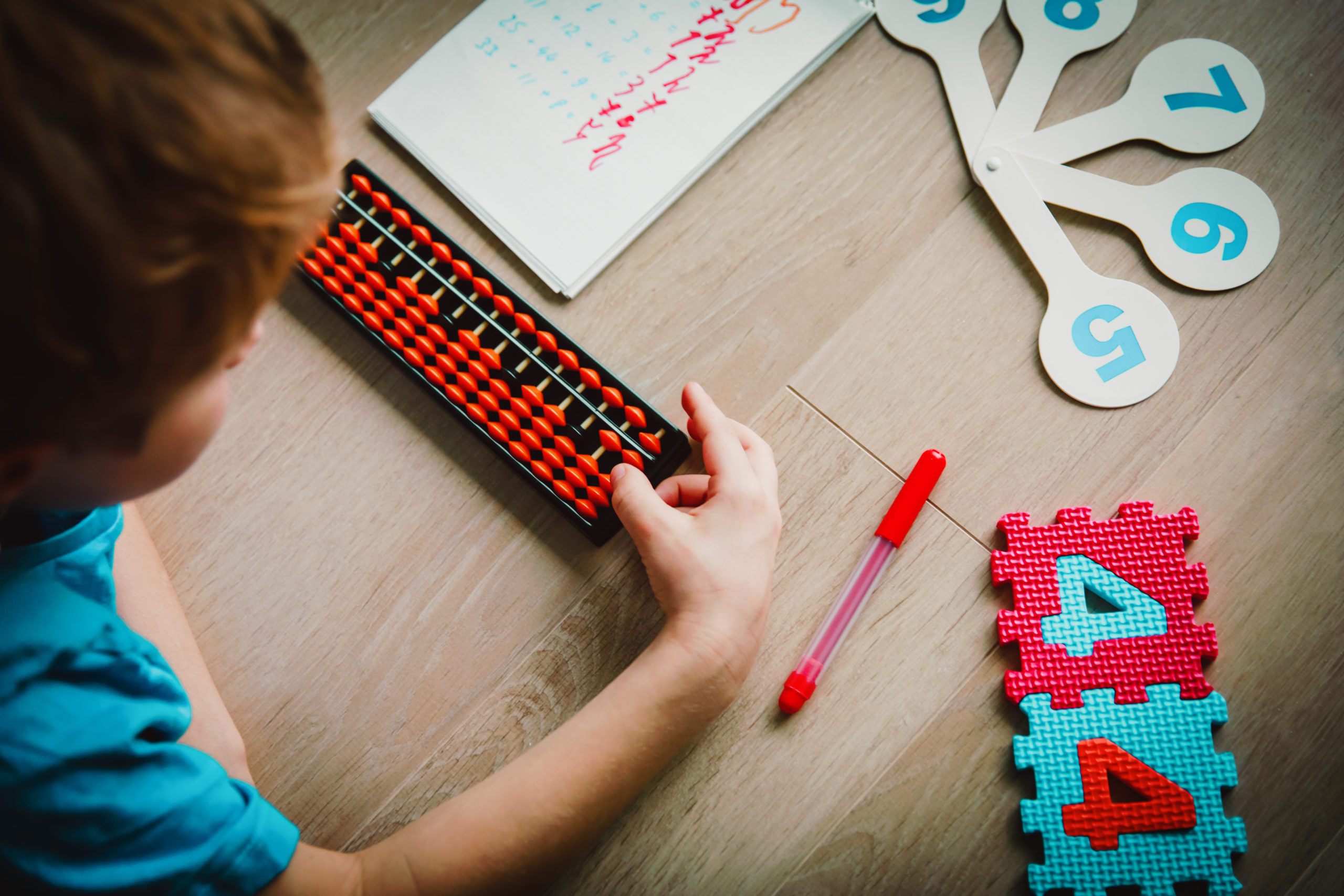
Abacus-based learning starts on a physical abacus. Children move beads to represent numbers, then slowly build a mental picture of that same abacus, until they can calculate without touching one at all.
Online delivery works for this, because the method is visual and repeatable. A child watches a trainer move a bead on screen, then repeats it themselves. Done well, it looks almost identical to sitting in a physical classroom.
Done badly, it looks like a video your child stopped watching halfway through.
What to Look For in Quality Online Abacus Classes
Live Interactive Sessions Over Pre-Recorded Videos
A trainer needs to catch a mistake as it happens, a bead held one position off, a step rushed past. Look for live online classes for children, with a small batch size that allows the trainer to provide individualised attention.
A Structured Curriculum Rather Than ‘Quick Wins’
A credible programme has a clear progression: addition and subtraction on the physical abacus first, the mental abacus introduced gradually, multiplication and division later. Ask to see it before you enrol. If nobody can show you a syllabus, that tells you something.
Trackable Progress Reports and Regular Assessments
Look for regular assessments or short reports on how your child is actually progressing. This is the difference between online math lessons that are working and ones you’re simply hoping are working.
Experienced Instructors
Ask who’s teaching, and what training they’ve completed. Abacus instruction is a specific, learnable skill. Gaps in a trainer’s own training tend to show up in what they teach your child.
Do Abacus Classes Really Produce Results?
The research holds up. A 2022 study in Personality and Individual Differences found children with abacus training outperformed untrained peers in arithmetic, numerical processing, short-term memory and attention. That’s not overnight. It’s months of steady practice, not a switch that flips in a single class. A programme promising rapid results is overselling what the method can do.
Real Results: What New Zealand Parents Experience With Online Abacus Classes
Real experiences can help you understand what a programme looks like beyond its website.
Tarun Malik, father of seven-year-old Inaaya, shared that his daughter’s math skills, confidence and focus improved after joining SIP Abacus. He also noted that her school teachers had noticed she was faster at calculations.
Similarly, Jeorge Salameh and Katia Darrouj, parents of 10-year-old Christelle, said they noticed improvements in their daughter’s math skills and confidence after joining SIP Abacus, with her school teachers also recognising the change.
Another parent experience highlights that the benefits extend beyond math. Morgan and Sweedal Rodrigues said their 13-year-old son Swinth had struggled with concentration before joining SIP Abacus. They reported improvements not only in math but also in his focus during sports and arts, alongside improvements in his academic performance.
Testimonials like these can help parents to ask useful questions when comparing programmes.
How to Choose the Right Online Abacus Classes for Your Child
The right online abacus classes should combine live teaching, a structured programme, personalised attention and engaging lessons. Practical factors matter too, including class timings, payment options, make-up sessions and whether the programme fits comfortably alongside school.
SIP Abacus offers fortnightly, half-yearly and annual payment options, with classes starting from $26.25 per session.
Most importantly, choose a programme where your child feels comfortable learning. A positive first experience with maths can be just as valuable as learning to calculate faster.





Be First to Comment