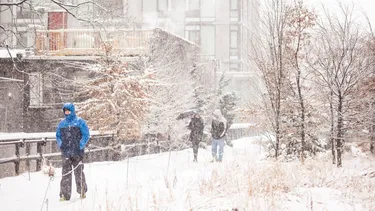
Whether you own your home and live in it yourself or rent it out, there is plenty that goes into maintaining that property throughout the year. When facing extreme weather that New England presents every year, this list seemingly keeps growing. Suddenly, you’re not just mowing the lawn; you’re having to remove debris and branches blown in from strong winds; you’re having to shovel up to three meters of snow before getting off your driveway, and you’re having to make home upgrades to handle heat waves.
For any homeowner or landlord out there struggling to know how to handle all extreme types of weather and best protect their homes, this guide is for you.
Fix Damage As Soon as Possible
When strong winds rattle at your doorstep, flying branches may break windows, garden objects might fight with walls, causing collapse, exterior siding might get stripped away, and trees might get uprooted and find themselves cozying up to your roof. Never attempt to do anything while the extreme winds are in full force to keep yourself safe, but once the winds have calmed, assess the full damage.
The damage might be obvious immediately and easy to fix, but other damage will require investigation. The wind may have knocked off roof shingles, trees could have left a hole in your roof from impact, and branches can clog gutters. When the damage is identified, fixing it as quickly as possible is essential. If you have roof damage, get in touch with experts for roof repair services before anything else. Not fixing your roof could lead to leaks, wood rot, and toxic mold growth, all of which increase the cost of repairs. While this is getting repaired, you can deal with the scattered debris and broken windows by boarding them up until repair.
Prepare Backups & Emergency Kits
With strong winds and flooding, there’s always a chance there will be no power or the ability to communicate outside of your home if utility poles and cellular towers get damaged in your area. Therefore, prepare for the next time this occurs by getting backup generators and finding other ways to communicate, such as radios.
In the case of flooding and heavy snowfall, you also need to be prepared by anticipating that you may be housebound for a few days during and following. Putting together an emergency kit to come out during these moments, which is periodically refreshed, is essential. Aim to have:
- Water bottles
- Batteries
- Non-perishable food
- Flashlight
- First Aid Kit
Store and Secure Outdoor Items
Although you can’t always predict when you will face extreme weather, you can prepare for it at all times. To avoid objects smashing through windows in strong gusts, losing them, or getting damaged, store what you can in your home, outbuilding, or shed. If you cannot store certain items inside, make sure to anchor them down. Trash cans and planters that live outside are regularly victims of strong winds. However, weighing them down with sandbags could help them survive.
Move Valuable Items Higher Up
In cases of flooding warnings, which are very probable due to the heavy rain New England receives, ensure you move any valuables to higher ground parts of your home where the water is unlikely to reach prior to the flooding to avoid the dangers. If your water heater, furnace, and electrical panel are in your basement, consider investing in moving these elsewhere.
Factor in the Heat and the Cold
The extreme cold winters can cause pipes, bricks, and stone to freeze and crack, while the humidity and heat of the summer can cause roofing materials to age faster, mold to develop due to the persistent warm moisture in the air, and wood in your siding and doors to swell. If you don’t act throughout the year, your home risks far greater damage in the long run.
As well as acting on a problem before it develops, prepare your home for the two extremes by getting your home properly insulated and purchasing a heat pump that keeps your home warm in the winter and cool in the summer.





Be First to Comment