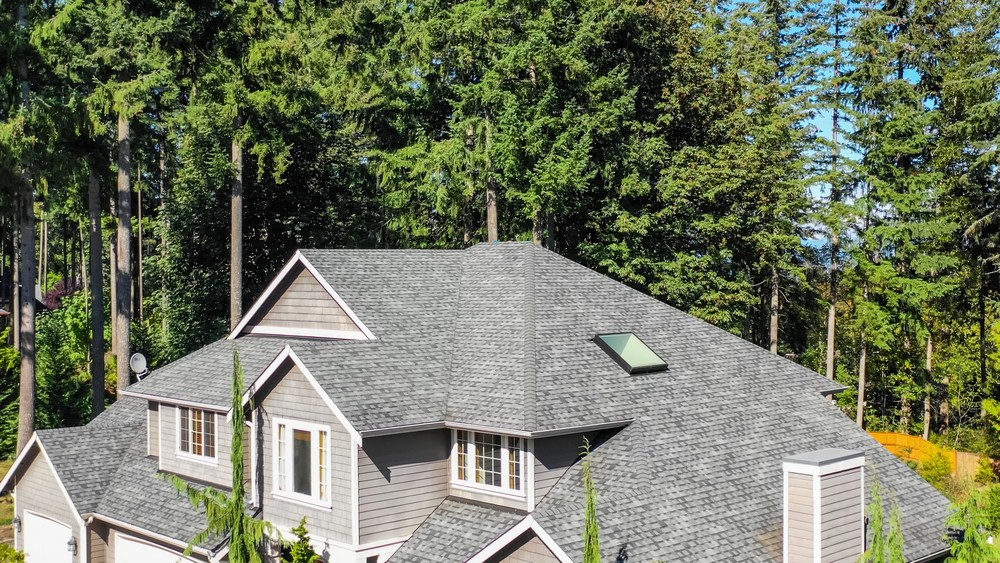
Your home is your sanctuary, and its roof is the primary shield protecting everything you hold dear—from your cherished family photos to the very structure you sleep under every night. Yet, it’s remarkably easy to overlook the one component of your house that works the hardest against the elements. Whether it’s punishing summer heat, heavy spring rains, or the weight of winter snow, your roof endures a lot. Taking a proactive approach to maintenance isn’t just about avoiding a sudden leak; it’s about investing in the long-term value, safety, and overall comfort of your home.
Staying Ahead of Potential Issues
It is easy to forget about your roof until you see a water spot on the ceiling, but by then, the problem is often significant. To keep your home in top shape, you need to make maintenance a regular habit rather than a reactive chore. Staying consistent ensures that small, manageable issues don’t turn into expensive, full-scale replacements. For instance, according to AllState, typically, your roof should be inspected at least once a year. This simple, recurring check-up can help you spot missing shingles, damaged flashing, or signs of wear before the next big storm rolls through and turns a minor repair into a major headache.
Why Proactive Care Matters
You might feel like you are the only one constantly thinking about shingles and gutters, but you are certainly not alone in your efforts. Roof maintenance is a shared responsibility among homeowners who take pride in their property. It is encouraging to know that you are part of a larger community of responsible owners who recognize the importance of upkeep. In fact, according to This Old House, 31% of homeowners have pursued roof repair or maintenance in the last three years. By staying ahead of these trends and keeping your home well-maintained, you protect your investment and preserve its curb appeal for years to come.
When to Bring in the Pros
While there are a few basic things you can do from the ground—like keeping your gutters clear of debris or checking for obvious signs of damage with binoculars—the roof is a high-stakes area where professional help is often the wisest path. Climbing ladders and navigating slopes can be dangerous, and professional roofers have the expertise to spot hidden issues that a casual observer might miss. Because the work requires specialized tools, safety equipment, and specific technical knowledge, it is the standard practice for most people. According to This Old House, around 79% of homeowners hired roofing contractors for roof repair and maintenance projects. Trusting an expert ensures the job is done correctly, safely, and is backed by professional standards.
Beyond regular inspections and professional help, there are simple, day-to-day habits that every homeowner can adopt to extend their roof’s lifespan. One of the most effective measures is keeping your roof free of debris. Leaves, branches, and pine needles that accumulate in valleys or behind chimneys can trap moisture against your shingles and flashing, leading to rot and mold growth over time. Additionally, take a moment to look at your roof after a heavy windstorm. Often, a quick visual sweep from the ground using binoculars can reveal loose or missing shingles. Catching these small wind-blown gaps early prevents water from seeping into your attic, which is a far costlier repair to fix once moisture causes structural rot or insulation damage inside your home.
Maintaining a roof might not be the most glamorous home improvement task, but it is undeniably one of the most important. By prioritizing annual inspections, regularly addressing maintenance, and knowing when to call in the professionals, you are effectively extending the lifespan of your roof and securing your home’s future. These steps, while simple, provide peace of mind and help you avoid the stress of unexpected repairs.




Be First to Comment