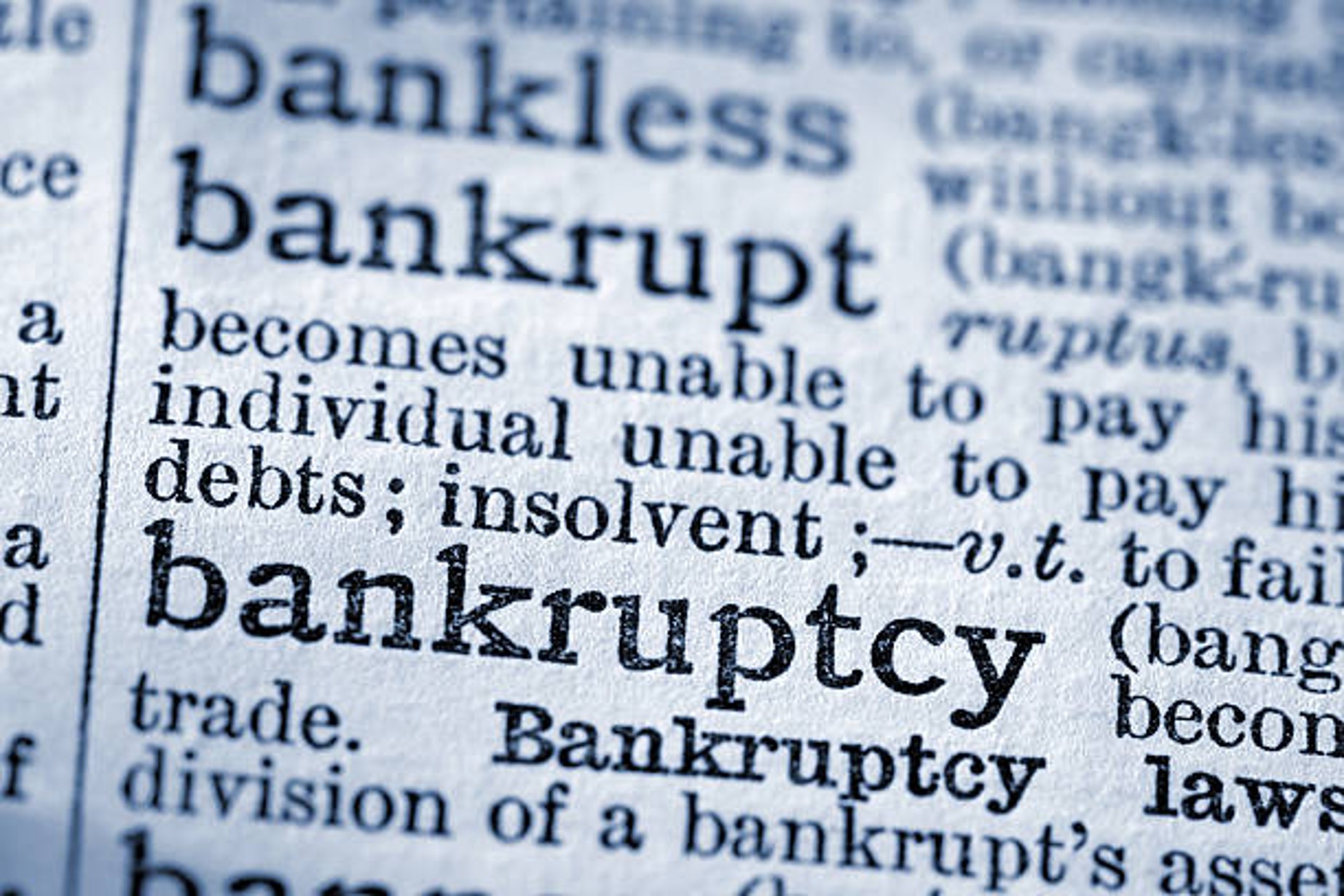
Bankruptcy can help people and businesses manage debt when they can no longer keep up with payments. It is a legal process that may allow someone to create a repayment plan or have certain debts cleared. The right option depends on income, assets, the amount owed, and long-term financial goals. Understanding the main types of bankruptcy can help you decide which path may fit your situation.
Dallas, Texas, is a major economic hub with thriving industries, growing businesses, and diverse neighborhoods. However, residents and business owners may face financial challenges from medical bills, credit card debt, business losses, or unexpected expenses.
A bankruptcy lawyer in Dallas, TX, can review your financial situation, explain the available bankruptcy options, and help you understand how filing may affect your finances and future. This article explains the main types of bankruptcy and how each option works.
Chapter 7 Bankruptcy
Chapter 7 bankruptcy is often used by people who cannot afford to repay their debts. The process may allow eligible debts to be discharged, meaning the person is no longer legally required to pay them.
However, not everyone qualifies. Applicants must meet the applicable eligibility rules, and some property may be sold by a bankruptcy trustee to repay creditors. Texas exemptions may protect certain assets, depending on the circumstances.
Some debts, including many student loans, certain tax debts, and child support obligations, generally cannot be discharged easily. Before filing, it is important to understand which debts may be cleared and which may remain.
Chapter 13 Bankruptcy
Chapter 13 bankruptcy may suit individuals who have a regular income but need more time to manage their debts. Instead of selling assets under Chapter 7, eligible filers propose a repayment plan that usually lasts three to five years.
This option may help people catch up on missed mortgage payments or address other debts through an approved plan. However, they must follow the plan’s requirements and make payments on time.
Chapter 13 does not erase every debt, and the amount paid depends on factors such as income, expenses, assets, and the type of debt involved. A lawyer can help determine whether the proposed payments are realistic.
Businesses May Use Chapter 11 Bankruptcy
Chapter 11 bankruptcy is commonly used by businesses that want to reorganize their finances while continuing operations. It may allow a company to renegotiate certain debts, review contracts, and develop a plan for moving forward.
Although Chapter 11 is often associated with large companies, some small businesses and individuals with more complex financial situations may also qualify.
The process can be costly and involve detailed financial reporting and court supervision. Businesses considering this option should carefully review their finances and determine whether reorganization is practical.
Bankruptcy Can Affect Your Financial Future
Filing for bankruptcy can affect credit reports and make borrowing more difficult for a period of time. However, continuing to struggle with unpaid debts can also damage credit and create additional financial stress.
Federal law, including 11 U.S.C. § 362, generally provides for an automatic stay when a bankruptcy case is filed. This stay can stop many collection actions, lawsuits, and wage garnishments while the case proceeds. Certain exceptions apply, so it does not stop every type of legal or collection activity.
Before filing, review your income, monthly expenses, assets, and outstanding debts. A bankruptcy lawyer can explain the likely consequences and help you compare bankruptcy with other possible solutions.
Key Points to Remember
- Chapter 7 may clear certain eligible debts, but some property could be sold.
- Chapter 13 allows eligible individuals to repay debts through a court-approved plan.
- Chapter 11 may help businesses reorganize their finances and continue operating.
- Bankruptcy can affect credit, but it may also provide relief from overwhelming debt.
Legal advice can help you understand your options before choosing a





Be First to Comment