
Nowadays, businesses are more reliant than ever on technology to drive growth, streamline operations, and enhance customer experiences. However, as digital transformation accelerates, so do the threats targeting sensitive data, critical infrastructure, and corporate networks. Staying ahead in cybersecurity is essential for business resilience. Let’s explore some of the key trends that are shaping the future of business technology and cybersecurity.
The Rise of AI-Powered Cybersecurity
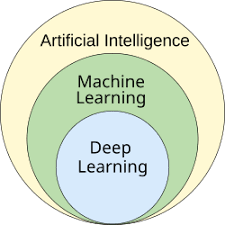
Artificial intelligence (AI) and machine learning are revolutionizing cybersecurity. Traditional security measures often struggle to detect sophisticated threats, but AI-driven tools can analyze vast volumes of data in real-time to identify anomalies, predict attacks, and respond autonomously. Businesses are increasingly deploying AI to detect phishing attempts, malware, and unusual user behavior before they escalate into major breaches. As AI technology evolves, we can expect predictive cybersecurity to become a standard part of enterprise security frameworks.
Increasing Importance of Zero Trust Architecture
Zero Trust has emerged as a guiding principle for modern cybersecurity. The concept is simple: never trust, always verify. Traditional perimeter-based security models are no longer sufficient in a world where remote work, cloud applications, and BYOD (bring your own device) policies are the norm. Implementing Zero Trust architecture requires continuous authentication, strict access controls, and segmentation of networks to minimize potential attack surfaces. Organizations adopting this approach are better positioned to prevent unauthorized access and protect sensitive data.
Cloud Security and Secure Access Service Edge (SASE)
Cloud adoption continues to surge, driving demand for advanced cloud security solutions. As more businesses migrate critical operations and data to cloud platforms, ensuring secure access and compliance becomes paramount. Secure access service edge (SASE) is emerging as a comprehensive framework that combines networking and security services in a cloud-native architecture. By integrating security directly into the network edge, businesses can improve visibility, enforce consistent policies, and safeguard remote users without compromising performance.
Endpoint Security and Threat Detection
Endpoints (laptops, mobile devices, servers, and IoT devices) remain a major entry point for cyberattacks. Protecting these endpoints is crucial as cybercriminals continue to exploit vulnerabilities at the device level. Modern businesses are investing in sophisticated endpoint protection tools that go beyond traditional antivirus solutions. For example, Endpoint Detection and Response Solutions are becoming integral to security strategies, providing real-time monitoring, threat intelligence, and automated response capabilities that help organizations contain threats before they spread across the network.
Regulatory Compliance and Data Privacy
Cybersecurity trends are also being shaped by evolving regulations and heightened concerns around data privacy. Laws such as the GDPR, CCPA, and other regional regulations compel businesses to implement stringent data protection measures. Non-compliance can result in hefty fines, reputational damage, and loss of customer trust. Future business technology will need to integrate privacy-by-design principles, ensuring that cybersecurity measures are not just reactive but built into the fabric of digital operations.
Human-Centric Security Measures
Even with advanced technology, humans remain the weakest link in cybersecurity. Social engineering, phishing, and insider threats continue to exploit human error. Organizations are increasingly focusing on cybersecurity awareness programs, training employees to recognize threats and follow best practices. Gamified training, simulated attacks, and continuous learning modules are helping businesses foster a culture of security mindfulness, reducing the likelihood of breaches caused by human oversight.
The Future: Proactive and Adaptive Security
The future of business technology lies in proactive and adaptive cybersecurity. Businesses will need to anticipate threats, not just react to them. This requires integrating advanced analytics, automated incident response, and threat intelligence into everyday operations. Organizations that embrace a proactive security mindset will be able to protect sensitive data, maintain customer trust, and sustain operational resilience in an increasingly hostile digital environment.
To Summarize
As businesses continue to embrace digital transformation, cybersecurity will play a central role in shaping technology strategies. From AI-powered defenses to Zero Trust models, endpoint detection, and cloud security innovations, staying ahead of evolving threats is critical.



Be First to Comment