Flakes on the Shoulder Do Not Always Mean What People Think
This is what happens every morning in bathrooms throughout the country. When one notices white flakes on their black clothes, he or she gets a bit worried and reaches for the anti-dandruff shampoo that is on the shelf and proclaims that the issue is over with. The same flakes, the same clothes and the same annoyance 2 weeks later. Before they even consider the chance that those flakes could not be normal dandruff at all, most people go through this exact loop five or six times. To be honest, nobody can hold them responsible. Dandruff is presented as a straightforward problem with a straightforward answer in everything from TV ads to useful tips. That is not how real life works.
So What Separates Dandruff From an Actual Scalp Problem
Ordinary dandruff is pretty straightforward. Dry skin on the scalp sheds small white flakes. There is some itching, a bit of irritation, nothing dramatic. A decent dandruff treatment paired with washing hair regularly and cutting back on oily food handles it for most folks without much drama.
So compare that with the appearance seborrhoeic eczema has. Itching that feels deeper and more intense than that of dandruff and greasy areas accompanied by stubborn redness and thick yellowish scales sticking to the head. Consider psoriasis of the head, which is revealed as lifting spots of a white color, and that sometimes bleeds when the skin is very dry. In addition to circle bald spots and itchiness that truly drives individuals crazy, fungal illnesses bring their own chaos. And then there is contact dermatitis, where someone’s scalp basically rebels against a hair dye or styling gel they have been using for months without any previous issue.
Every single one of these conditions produces flakes. Every one of them causes itching. That overlap is exactly why people keep reaching for the wrong bottle and wondering why nothing works.
Throwing Products at the Problem Solves Nothing
In six months, a thirties female switches shampoos four times. In one week, a college student gives tea tree oil, apple cider vinegar and lemon juice a try. A working professional spends a small fortune on medicated products recommended by strangers on the internet. Because none of them truly understand what their skin is dealing with, none of them recover. Every dandruff treatment becomes a coin flip in the lack of a right evaluation. Sometimes it lands right. In most cases, it doesn’t.
Fixing the Scalp Means Understanding the Scalp First
This is the point at which homoeopathy deserves study. Homeopathic practitioners refuse to look at a flaky scalp and immediately prescribe something to suppress it. They are interested in the reason of the redness in the head. Before picking a course of action, they explore hormonal health, gut function, stress patterns, water intake, diet quality, and even sleep habits.
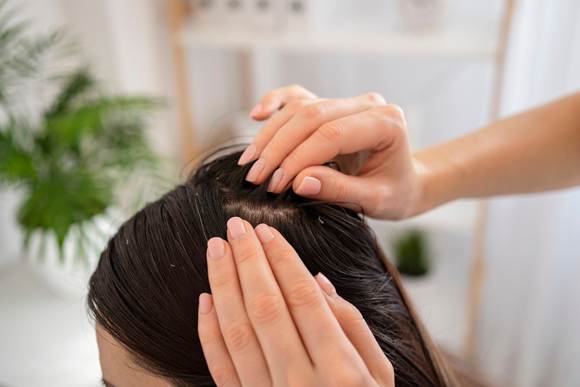
Dr. Batra’s has built four decades of clinical practice around this exact mindset. Their teams perform thorough scalp analysis using video microscopy and Wood’s Lamp technology so that every scalp treatment plan is rooted in evidence rather than assumption. With over three hundred clinics and experienced doctors who specialize in this space, they design individualized protocols combining homeopathic remedies, nutritional guidance, and home care routines that work together to restore genuine scalp health from within.
Ignoring Persistent Scalp Trouble Only Gives It Room to Grow
Persistent redness, persistent burning that continues after switching products, visible thinning surrounding swollen areas, and flakes that won’t stop no matter what is thrown at them. The issues do not have anything to do with dandruff. These are warning messages that require professional analysis and adequate care of hair before the harm can become harder to repair.





Be First to Comment