“Someone’s sitting in the shade today because someone planted a tree a long time ago.”
That line by Warren Buffett captures investing beautifully. But it also raises a question many people quietly ask.
What if you do not want to wait years for the shade?
In the stock market, there are two broad paths on how to make money in stocks: Trading and Investing. One aims for speed, while the other aims for durability. Trading promises quicker results. Investing, on the other hand, promises steadier wealth. Both can make and lose money. The difference lies in how you approach time, risk, and behavior.
If your goal is to learn how to make money in stocks faster, the answer is not as simple as choosing the faster-looking option. It depends on what you mean by “fast.” Want to understand what this means? Then scroll up!
The Core Difference: Speed vs Compounding
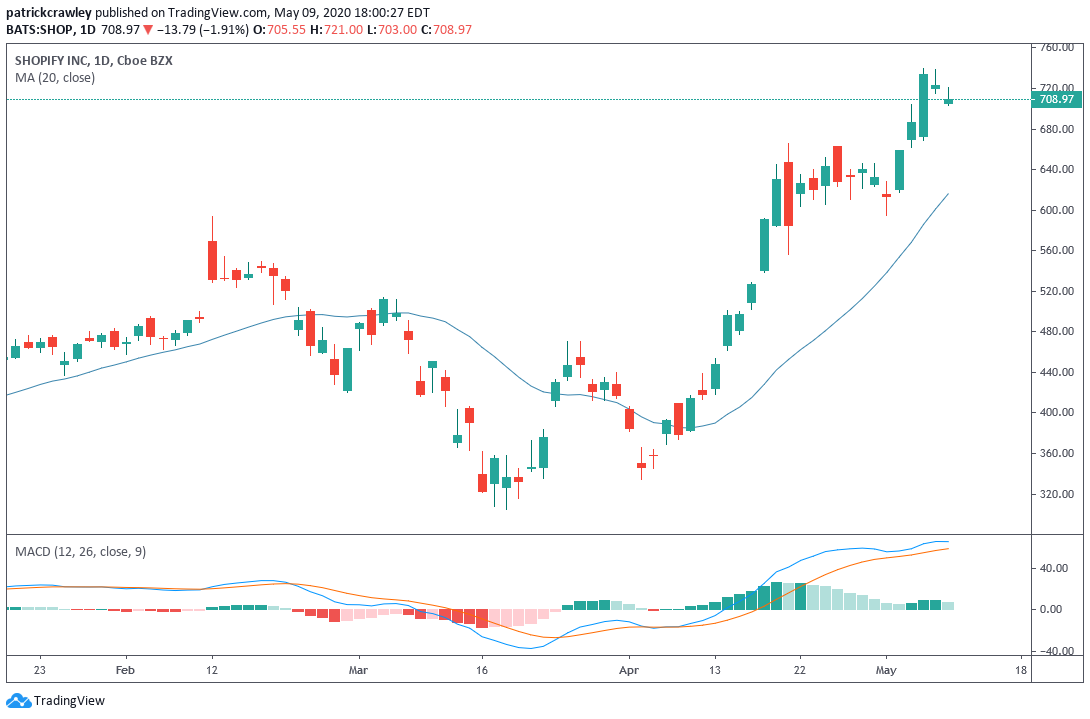
Trading focuses on short-term price movements. Days, weeks, sometimes minutes. The idea is simple. Buy at one price. Sell at a higher one. Repeat.
Investing works differently. It focuses on owning a business that grows over time. The return comes from earnings growth, dividends, and long-term valuation expansion.
In simple terms:
- Trading tries to profit from price movement.
- Investing tries to profit from business growth.
One relies heavily on timing. The other relies on patience. That difference changes everything.
Can Trading Make Money Faster?
Yes. It absolutely can!
A successful trade can deliver in weeks what long-term investing might deliver in months. That is the appeal. Quick gains feel powerful. Momentum can look obvious in hindsight. But speed comes with pressure. To trade effectively, you need:
- Constant market attention
- Strong emotional control
- Strict risk management
- Clear entry and exit rules
- The ability to accept frequent small losses
Most traders are not defeated by the market. They are defeated by themselves. Overconfidence after wins. Panic after losses. Revenge trades. Impulsive decisions.
The market rewards discipline. It punishes ego. Trading is active. It demands energy. And while gains can come quickly, so can losses.
Investing: Slower Start, Stronger Finish
Investing rarely feels exciting at the beginning. Gains are gradual. Compounding is invisible at first. But over time, something interesting happens. Earnings grow. Dividends accumulate. Businesses expand. And if you choose wisely, the stock price tends to follow.
Investing requires:
- Understanding business fundamentals
- Evaluating earnings consistency
- Patience through volatility
- A long-term mindset
It does not require daily monitoring. It does require conviction.
The real power of investing is not speed. It is momentum built over the years. Compounding does not look dramatic in the short run. But over the decades, it has become hard to compete with.
The Psychological Factor Most People Ignore
Morgan Housel once wrote that doing well with money has less to do with intelligence and more to do with behaviour. That applies strongly here. Trading tests your reactions. Investing tests your patience.
Ask yourself honestly:
- Can you handle daily fluctuations without stress?
- Can you follow the rules even after three losing trades?
- Can you hold a stock for five years without getting bored?
Your personality matters more than the strategy. Some people thrive in fast-paced environments. Others think better with distance and reflection. Trying to trade when you are naturally patient can lead to frustration. Trying to invest long-term when you crave constant action can lead to unnecessary selling.
Risk Looks Different in Both Approaches
Both trading and investing carry risk. The type of risk is what changes. Trading risk:
- Frequent small losses
- Large drawdowns from bad timing
- Emotional fatigue
Investing risk:
- Holding a declining business too long
- Overpaying for growth
- Temporary market downturns
Short-term trading exposes you to price volatility constantly. Long-term investing exposes you to business performance risk. Neither is safer by default. Safety depends on skill and discipline.
Time Commitment Is a Real Cost
Trading is time-intensive. Charts, news, analysis, execution. It can feel like a full-time job. If you enjoy that process, it may suit you.
Investing demands research upfront. After that, it requires monitoring and periodic review. It frees up mental space.
If your goal is faster money but you cannot dedicate hours daily, trading may not be the shortcut you expect.
Time is capital, too!
So, Which One Makes Money Faster?
On paper, trading can generate quicker returns. In reality, consistent profitability in trading takes years to master. Ironically, the path that looks faster often requires more preparation. Investing appears slower. Yet many long-term investors build significant wealth simply by staying invested in quality businesses and allowing time to work. If speed means quick gains, trading wins.
If speed means reaching financial independence sooner with fewer mistakes, disciplined investing often wins. The real question is not which is faster in theory. It is what you can execute consistently.
A Balanced Perspective
Some experienced market participants combine both. They invest the core of their portfolio in strong businesses. Around that, they may trade smaller portions to capture short-term opportunities.
This approach requires clarity. The rules for trading and investing must not mix. A trade should not quietly turn into a long-term hold because of hope. An investment should not be sold impulsively because of short-term noise. Clear intention protects capital.
Conclusion
So now you know how to make money in stocks. Everyone wants to do that faster. It is a natural desire. But speed without structure often leads to setbacks. Trading offers immediacy. Investing offers durability. One tests reaction speed. The other tests patience.
Neither is superior in all situations. What matters is alignment. Alignment between strategy, temperament, time availability, and risk tolerance.
In markets, discipline compounds just like money does. Before choosing the faster road, make sure it is one you can actually stay on.




Be First to Comment