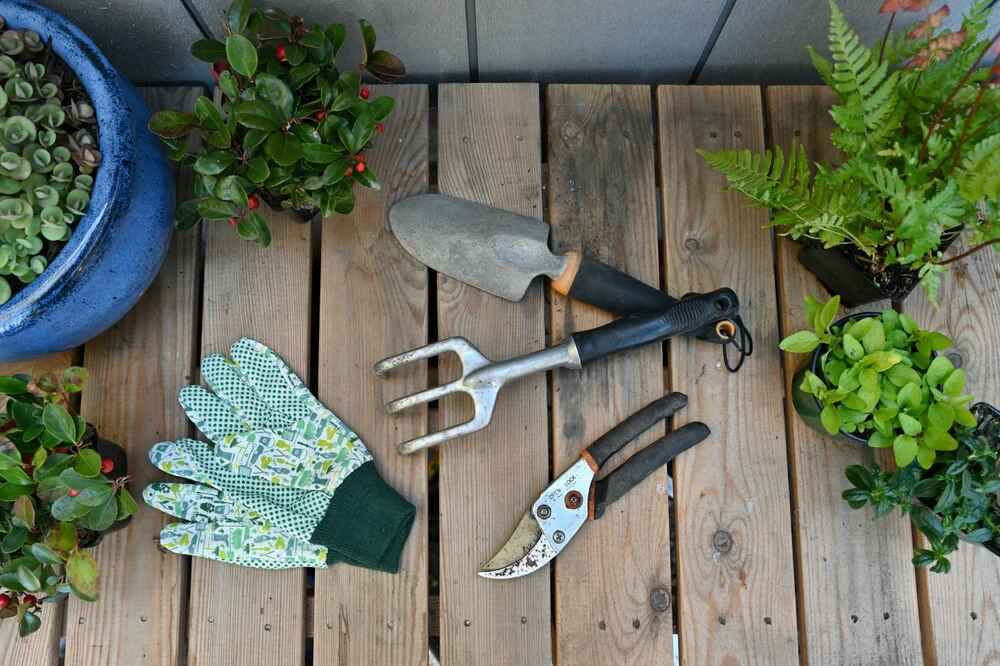
There is a specific kind of quiet satisfaction that comes from looking out over a well-manicured lawn or a thriving vegetable patch at sunset. For many of us, the backyard has transitioned from a simple outdoor space into a necessary sanctuary. Whether you are growing your own organic produce or simply maintaining a crisp curb appeal, the success of your landscape depends less on the size of your plot and more on the quality of your kit.
As we move into 2026, the philosophy behind outdoor maintenance has shifted toward efficiency, ergonomics, and sustainability. Having the right Garden Tools is no longer just about getting the job done; it’s about choosing equipment that respects both your physical health and the local ecosystem. The industry has evolved significantly, replacing loud, fumes-heavy machinery with smarter, battery-powered alternatives that make weekend chores feel significantly less like “work.”
Why Your Tool Shed Needs a 2026 Update
If you are still struggling with rusted manual shears or a gas mower that takes ten pulls to start, you are fighting an uphill battle. Modern gardening focuses on “smart effort.” This means using tools designed to reduce strain on your back and wrists while maximizing output.
Today’s essential kit focuses on versatility. Homeowners are moving away from single-use gadgets that clutter the garage and toward high-quality, multi-functional staples. Investing in a core set of durable items will save you money over the long term and yield better results for your plants.
The Foundation: Essential Digging and Planting Equipment
Every garden starts in the dirt. Even with all the technological advancements of the last decade, the fundamentals of soil health and plant placement remain the same.
The Ergonomic Hand Trowel
Forget the flimsy plastic versions that snap the moment they hit clay. A high-quality trowel should be a one-piece stainless steel or forged aluminum tool. Look for a handle with a contoured grip. In 2026, we see more “offset” handles that keep your wrist in a neutral position, preventing the repetitive strain often associated with spring planting.
The Modern Garden Spade vs. The Shovel
Many beginners make the mistake of using a round-point shovel for everything. However, a square-point garden spade is the true hero of edging and trenching. It allows for clean, surgical cuts in the sod, which is vital for creating those professional-looking borders around your flower beds.
Advanced Pruning: Keeping Growth Under Control
Pruning is both an art and a science. A clean cut heals quickly, while a jagged tear from a dull blade invites disease and pests into your shrubs.
Bypass Pruners: The Industry Standard
For living stems, bypass pruners are non-negotiable. They work like scissors, with two blades passing each other. This creates the cleanest possible cut. Always look for a pair that can be easily disassembled for sharpening; a tool you can maintain for a decade is always better than a “disposable” one you replace every year.
Long-Reach Loppers and Pole Saws
As your landscape matures, you’ll find yourself reaching higher. Instead of dragging out a ladder which poses a safety risk 2026 homeowners are opting for lightweight, telescoping pole saws. Modern battery-integrated versions allow you to trim overhead branches with the push of a button, keeping your feet safely on the ground.
Transitioning to Battery-Powered Efficiency
The biggest trend in 2026 is the final departure from internal combustion engines for residential use. The noise and maintenance of gas-powered tools are being replaced by high-voltage lithium-ion platforms.
The Rise of the Robotic Mower
While manual mowing is great exercise, the robotic mower has become a staple for the busy homeowner. These units have become significantly more affordable and “smarter” regarding perimeter sensing. They maintain a constant height, which actually leads to a healthier, thicker lawn because the grass is never “shocked” by a massive weekly cut.
Quiet Power: String Trimmers and Leaf Blowers
The era of waking up the neighbors at 8:00 AM on a Saturday is over. Modern battery-powered trimmers offer the same torque as gas engines but at a fraction of the decibel level. When selecting these, prioritize “brushless motors,” as they offer better longevity and more efficient power usage.
Water Management: Precision over Volume
Water conservation is a primary concern for the modern gardener. We no longer just “spray and pray” with a high-pressure nozzle.
Smart Irrigation Controllers
Even if you don’t have a full underground system, smart timers for your hoses are essential. These devices connect to local weather stations via Wi-Fi and will automatically skip a watering cycle if rain is in the forecast. This saves money on your utility bill and prevents the root rot caused by overwatering.
Soaker Hoses and Drip Kits
For vegetable gardens, overhead watering is inefficient. It loses water to evaporation and gets foliage wet, which encourages fungus. A simple drip irrigation kit or a high-quality soaker hose delivers moisture directly to the roots where it’s needed most.
Common Mistakes When Building Your Tool Collection
Even seasoned gardeners fall into certain traps when buying new equipment. Here are a few things to avoid:
- Buying “Kits” with Low-Quality Extras: Many big-box stores sell 20-piece sets. Usually, two tools are decent, and the rest are filler. It is always better to buy five high-quality individual tools than a bucket of twenty that will break within a season.
- Ignoring Maintenance: A tool is only as good as its edge. Failing to oil your shears or sharpen your mower blades will double your workload.
- Prioritizing Price Over Weight: Heavy tools cause fatigue. In 2026, carbon fiber and lightweight alloys are more accessible. If a tool feels heavy in the store, it will feel like a lead weight after an hour in the sun.
Actionable Tips for Tool Longevity
- The Sand Bucket Trick: Keep a bucket filled with sand and a bit of motor oil in your shed. After using your shovel or trowel, plunge it into the sand a few times. This cleans the dirt off and applies a thin coat of oil to prevent rust.
- Hang Your Tools: Never store tools directly on a concrete floor. Concrete holds moisture, which leads to corrosion. Use a pegboard or a slat-wall system.
- Check the Warranty: In 2026, reputable brands offer 3-to-5-year warranties on their batteries and motors. If a company doesn’t stand by its product for at least three years, keep looking.
Frequently Asked Questions
Q: How often should I sharpen my garden shears?
A: For a typical homeowner, once at the start of the spring and once midway through the summer is usually sufficient. However, if you notice the tool is “crushing” stems rather than cutting them, sharpen them immediately.
Q: Are battery-powered mowers powerful enough for thick grass?
A: Yes. Modern 60V and 80V platforms provide torque comparable to 160cc gas engines. As long as you aren’t trying to mow a hay field, a high-quality battery mower will handle a standard lawn with ease.
Q: What is the best way to clean tools after use?
A: A simple stiff-bristle brush to remove dirt and a quick wipe with a rag dampened with soapy water. Ensure they are completely dry before hanging them up to prevent oxidation.
Conclusion
As we look at the landscape of 2026, the theme is clear: gardening should be a rewarding experience, not a grueling chore. By investing in ergonomic hand tools and embracing the quiet efficiency of battery power, you set yourself up for success. Remember, your garden is an extension of your home. Treat it with the right equipment, and it will provide beauty and bounty for years to come. Focus on quality over quantity, maintain what you own, and don’t be afraid to let technology handle the heavy lifting.





Be First to Comment