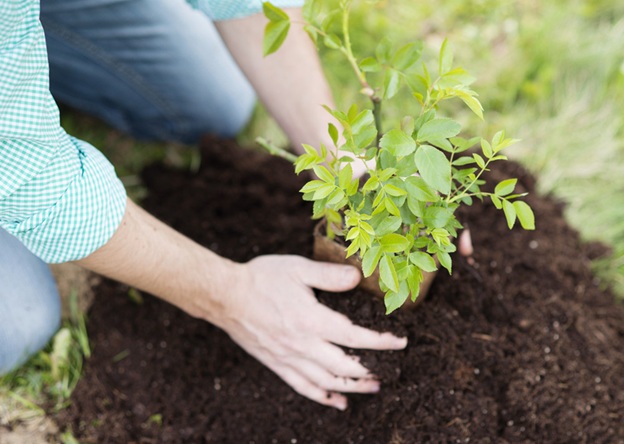
Making your home a haven of comfort and beauty often begins right at the entrance: your lawn. One great way to enhance its charm and value is by planting a tree. Whether you’re motivated by aesthetics, shade, or environmental benefits, choosing the right tree could be a game-changer for your property.
Property Values and Trees: A Green Investment
Adding trees to your lawn can significantly increase your property’s value. According to the Arbor Day Foundation, having well-maintained trees can enhance property values by approximately 7% to 19%. This makes trees a green investment not just for nature, but also for your home. A well-designed landscape with plenty of greenery can provide a welcoming curb appeal. Potential buyers often find a house more attractive if it’s surrounded by beautiful, mature trees. In this way, trees serve as a long-term investment, contributing to a higher resale value of your home.
Beyond monetary value, trees add intrinsic value by improving the quality of life. They offer shade during hot summer days and help reduce noise, acting as natural sound barriers. This blend of economic and environmental appeal underscores why growing trees should be a priority in home improvement plans.
Selecting and Planting the Right Tree
Choosing the right tree for your lawn depends on a variety of factors, including your climate, soil quality, and space. According to Almanac, it’s advisable to plant trees at a distance from your home equivalent to their height at 75% maturity. This precaution ensures the long-term health of both the tree and your home structure. Research the types of trees that thrive in your climate zone to ensure robust growth. Fast-growing varieties are popular, but evaluate their root structures to avoid future problems. Consulting with local arborists can provide valuable insight into tree species that are sustainable for your region.
The planting site also requires careful consideration; ensure there are no underground utilities that can be disrupted by root growth. Selecting the optimal spot will maximize the benefits your tree can provide. Trees not only enhance the visual appeal of your property, but they also contribute to decreasing energy consumption by providing natural shade.
Maintaining Your Tree for Long-term Benefits
Just planting a tree doesn’t ensure its survival or your full enjoyment. Proper maintenance is key to maximizing a tree’s benefits over time. According to Lawn Love, regular trimming every 3 to 5 years is generally needed for most trees to maintain health and structure. Routine inspections can preemptively identify potential issues like disease or pest infestations. Such diligence ensures that trees not only remain healthy but also safe, minimizing the risk of falling limbs. Pruning, apart from enhancing aesthetics, promotes the good health of your tree. Mulching is another critical aspect of tree care, as it helps in retaining soil moisture and reducing weed growth. Regular watering during dry spells ensures the longevity and vibrancy of your tree, keeping your home environment lush and lively year-round. When managed correctly, trees continue to be a valuable asset to your property.
A Testament to Growth and Beauty
Incorporating trees into your lawn should be more than a spur-of-the-moment decision; it’s a commitment to enhancing your home environment and property value. As this article highlighted, the benefits are multifaceted, impacting everything from aesthetics to functional savings on utilities. From selecting the right tree to ensuring it thrives with proper care, every step is integral to reaping the benefits. Armed with these insights, you’ll be well on your way to transforming your home landscape into an oasis of growth and beauty.
Ultimately, the biggest reward comes not just from increasing the value of your home but from creating a greener world. Growing a tree enhances your property, provides ecological benefits, and contributes to a more sustainable future.





Be First to Comment