
When Extra Money Arrives, Pause Before You Move
A windfall can feel like a financial deep breath. Maybe it comes from a work bonus, inheritance, tax refund, legal settlement, insurance payout, gift, or the sale of something valuable. However it arrives, unexpected money can create a strange mix of excitement, relief, pressure, and confusion.
That emotional mix matters. When money shows up suddenly, people often feel pushed to make quick decisions. Someone might compare bills, savings goals, repairs, family needs, or even options like a car title pawn loan when looking at short term financial choices. But a windfall deserves a different kind of attention because it can change more than one month of your budget. Used well, it can improve your financial direction for years.
The first rule is simple: do not let the surprise of receiving money decide how the money gets used. A windfall is not just extra cash. It is an opportunity to make choices that may be harder to make during normal months.
The First Move Is No Move
The most powerful thing you can do after receiving a windfall may be nothing at all. Not forever, of course. Just long enough to let the emotional rush settle.
Unexpected money can make everything feel urgent. You may suddenly remember every purchase you postponed, every person you want to help, every debt you dislike, and every dream you tucked away. That is normal. But normal does not always mean wise.
Give yourself a cooling off period. Put the money somewhere safe and separate from your everyday checking account. Then wait a little before making major decisions. A few days may be enough for a smaller amount. A few weeks or longer may be better for a large inheritance, settlement, or life changing payout.
This pause is not about fear. It is about respect. Money that arrived suddenly can disappear suddenly if every decision is made while emotions are loud.
Name The Money Before You Spend It
Windfalls often get wasted because they are treated as one big pile. When money has no job, every idea can sound reasonable. A vacation sounds reasonable. Paying off a card sounds reasonable. Helping a relative sounds reasonable. Upgrading a car sounds reasonable. Saving it all sounds reasonable too.
The problem is not that these choices are wrong. The problem is that they compete with each other until the money is gone.
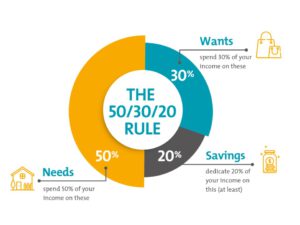
A better approach is to divide the windfall into categories before spending any of it. For example, you might create buckets for taxes, debt, emergency savings, long term goals, home repairs, giving, and fun. The exact categories depend on your life, but the point is to make decisions on purpose.
This turns a vague question like “What should I do with this money?” into a clearer one: “What percentage of this money should go toward each priority?”
Taxes Can Surprise You Later
Not every windfall is taxed the same way, but taxes should be considered before you spend. A work bonus, legal settlement, investment gain, or inherited asset can all have different tax rules. Even when money feels like a gift, there may be details worth checking.
The IRS explains that many assets, including investments and personal property, can involve capital gains or losses when sold, and inherited assets may have special basis rules. Reviewing the IRS guidance on capital gains and losses can help you understand why tax questions should come early, not after the money has already been spent.
This is especially important with larger windfalls. A tax professional may help you avoid unpleasant surprises, estimate what should be set aside, and understand whether your windfall affects your filing situation. Setting aside tax money may not feel exciting, but it can prevent a future problem that eats into the benefit of the windfall.
Debt Payoff Can Be Smart, But Be Strategic
Using a windfall to pay down debt can be one of the most useful choices. It can reduce stress, lower interest costs, and free up monthly cash flow. But the order matters.
Start by listing debts with balances, interest rates, minimum payments, and any fees. High interest debt usually deserves attention first because it grows faster and can trap more of your monthly income. Credit cards, personal loans, and other expensive balances may cost more over time than lower interest debts.
Still, do not put every dollar toward debt if it leaves you with no emergency cushion. If you pay off debt but have no savings, the next car repair, medical bill, or job disruption may push you right back into borrowing. A balanced plan often works better: pay down expensive debt while also keeping some cash available for real life.
Build A Buffer Against The Next Emergency
A windfall can do something ordinary income often struggles to do: create breathing room. An emergency fund is not glamorous, but it is one of the strongest ways to protect future stability.
Emergency savings help you avoid turning every surprise into a crisis. If your car breaks down, hours get cut at work, or a medical bill arrives, savings can give you options. Without savings, even a manageable problem can become expensive quickly.
This is where a windfall can be especially powerful. Instead of slowly building savings ten or twenty dollars at a time, you may be able to create a starter cushion immediately. Even if you cannot fully fund every goal, setting aside part of the money for emergencies can make the rest of your financial life less fragile.
Protect The Money From Social Pressure
Windfalls can attract opinions. Family members may have suggestions. Friends may expect generosity. You may feel guilty having money when others need help. You may also feel pressure to celebrate in a visible way.
Generosity is not the problem. Unplanned generosity is. If you want to help others, decide in advance how much you can give without hurting your own stability. Put that amount in a giving category and treat it like a real part of the plan.
Clear limits protect relationships as well as money. Saying, “I have already planned where this money needs to go” is easier than making a new decision every time someone asks.
Think Beyond The First Purchase
A windfall can buy something nice, and there is nothing wrong with enjoying part of it. The danger is using the whole amount for short term satisfaction and gaining nothing that lasts.
Ask what would still matter one year from now. Would paying off a balance improve your monthly life? Would finishing a certification increase your earning power? Would repairing your home prevent bigger costs later? Would investing for retirement give your future self more security?
FINRA offers guidance on managing sudden wealth, including the importance of slowing down, understanding risks, and being careful with major financial decisions. That kind of mindset is useful whether the windfall is large or modest. The goal is not to make the money perfect. The goal is to make it meaningful.
Leave Room For Joy, But Give It A Limit
Being intentional does not mean removing all fun. In fact, giving yourself permission to enjoy a small portion can make the rest of the plan easier to follow.
Set aside a specific amount for something enjoyable. Maybe it is a trip, dinner, a hobby, a small upgrade, or something you have wanted for a long time. The key is deciding the limit before spending begins.
This prevents the common pattern where “just one treat” turns into many treats. When the fun money has a boundary, you can enjoy it without wondering whether you are damaging your bigger goals.
A Windfall Should Change Your Direction, Not Just Your Weekend
The best use of unexpected money is not always the most dramatic one. Sometimes it is quiet. Paying off a balance. Starting an emergency fund. Catching up on maintenance. Setting aside taxes. Investing in skills. Creating a little margin between you and the next crisis.
A windfall is temporary, but the decisions around it can last. That is why the most important step is not choosing the flashiest option. It is slowing down long enough to choose on purpose.
Money that arrives unexpectedly can disappear into old habits, emotional spending, and outside pressure. Or it can become a turning point. The difference is intention. When you pause, plan, and give every dollar a job, a windfall becomes more than extra money. It becomes a chance to build a stronger financial future.



Be First to Comment