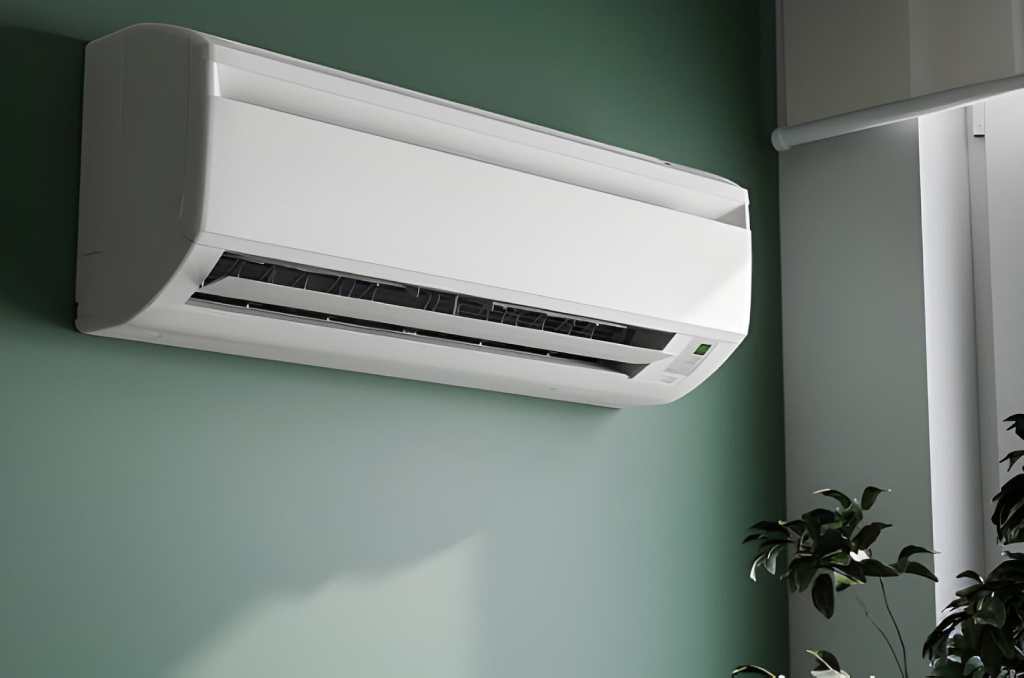
Air conditioner costs depend mostly on cooling capacity, energy efficiency ratings, inverter technology, and brand reputation. Bigger rooms need larger units, which cost more upfront but keep you comfortable. Buying an AC with a high energy efficiency rating saves you money on monthly power bills over time, making it easier to find the right AC price in Bangladesh for your home.
When the summer heat hits, sitting in front of a weak fan feels like sitting next to a hair dryer. You know you need an air conditioner, but looking at price tags can feel confusing. Why does one unit cost twice as much as another one that looks exactly the same?
Buying an AC is a lot like buying a car. A basic car gets you from point A to point B. A premium car offers heated seats, better gas mileage, and a quieter ride. Air conditioners work the same way. Let’s break down what you are actually paying for so you can buy the best unit without wasting your hard-earned money.
How Does Room Size Impact the Cost of an AC?
The size of your room directly determines the cooling capacity you need, measured in tons or BTUs. Larger rooms require larger units that use more parts and materials, increasing the upfront cost of the air conditioner.
Think of cooling a room like filling a bucket with water. A small bedroom is a tiny cup, but an open living room is a massive bucket. If you try to fill a big bucket with a tiny spoon, you will work forever and get nowhere.
Air conditioner size is measured in BTUs (British Thermal Units) or tons. A 1-ton AC works great for a small bedroom. A large open room might need a 2-ton or 3-ton unit.
- Small Rooms (up to 120 sq ft): Need a 1-ton unit. These are the most affordable options.
- Medium Rooms (120 to 180 sq ft): Need a 1.5-ton unit. This is the most common home size.
- Large Rooms (180 to 250+ sq ft): Need a 2-ton unit or bigger, which costs more.
If you buy a unit that is too small, it will run nonstop, spike your power bill, and still leave you sweating. Getting the right size saves you money on day one and every day after.
Does Energy Efficiency Save You Money in the Long Run?
Higher energy efficiency ratings mean an AC uses less electricity to cool your room. While high-efficiency models cost more to purchase upfront, they significantly reduce your monthly power bills over time.
Air conditioning accounts for a significant share of the average home’s annual energy expenditures. Buying an efficient model helps keep those ongoing costs under control.
Look for the star rating or SEER (Seasonal Energy Efficiency Ratio) number on the sticker. More stars mean the unit is super smart about how it uses power. It’s like choosing a car that gets 40 miles per gallon instead of 15.
- 3-Star AC: Costs less today, but uses more power every month.
- 5-Star AC: Costs more today, but keeps your electric bill low for years.
If you plan to use your cooling unit every single day, paying extra for high efficiency pays for itself very quickly.
Non-Inverter vs. Inverter AC: Which One Costs Less?
Non-inverter ACs are cheaper upfront but consume more power, while inverter ACs cost more initially but adjust their motor speed dynamically to save energy and lower long-term costs.
Imagine running a race. A non-inverter AC runs at full speed, stops completely, then sprints again, over and over. That constant starting and stopping takes a massive amount of energy.
An inverter AC acts like a smart jogger. It speeds up when the room is warm, then slows down to a gentle stride to keep the room cool.
| Feature | Non-Inverter AC | Inverter AC |
| Upfront Cost | Lower price tag | Higher price tag |
| Power Consumption | Higher monthly bill | Up to 30-50% lower monthly bill |
| Noise Level | Loud starting noise | Quiet and smooth operation |
| Lifespan | Standard wear and tear | Longer-lasting motor parts |
Choosing an inverter model is almost always the smarter financial choice over time.
Simple Tips for Buying the Right AC Today
Ready to start shopping? Follow these quick steps to get the best value:
- Measure your room first: Never guess your room size. Calculate the square footage before looking at prices.
- Check the warranty: Look for units with a 5 to 10-year compressor warranty.
- Factor in installation: Set aside a budget for piping, brackets, and labor.
- Look for eco-friendly refrigerants: Units using R32 gas are better for the environment and cool faster.
Finding Your Perfect Match
Buying an air conditioner does not have to feel like a confusing task. By focusing on your room size, energy efficiency ratings, and modern inverter technology, you can easily pick a model that fits your budget without any hidden surprises.
Taking the time to double-check these details ensures you won’t overpay upfront or get hit with surprisingly high electric bills later.
Always remember to consider your long-term comfort along with the price tag. A slightly higher upfront cost for a smart, energy-efficient model often pays for itself within just a few seasons. Take a few minutes to measure your room, check out local deals today, and enjoy staying cool and comfortable all year long!





Be First to Comment