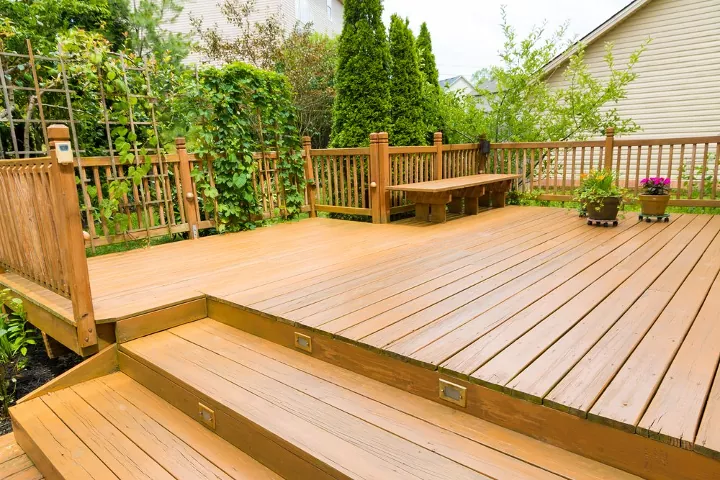
Decks have a limited lifespan. This applies even to those that are just a few inches off the ground. Rot, warping, and even pests can fracture the structural integrity of the deck and make it dangerous to use.
That’s why it’s so important to know when your deck needs to be repaired.
Catching warning signs early means you can fix the problem before it requires a full replacement. That being said, doing top-level repairs when a structural issue is underneath can mean wasting even more money in the long run.
The solution? Use this checklist. It covers not only what you need to look out for, but the order you need to check.
Check the Foundations
The first step is to check under the hood at your deck’s foundations.
· Ledger Board and Joist
The ledger board is the piece of wood that connects your deck to your house, and the joists are the horizontal beams that support your deck. If either is rotting, flaking, or sagging, it indicates a serious structural issue and will need to be fixed or replaced immediately.
· Posts
Posts provide support for the rest of your deck. You’ll notice there’s an issue if there’s sagging anywhere on the top of your deck, or if the posts are slanted when you look underneath. The good news is that slanted posts can often just be strengthened with connectors or by rebuilding the footings, though in extreme cases, you’ll need to rebuild from scratch.
Inspect the Railings
Railings may not typically be “used” but they are essential. The last thing you want is to realize that your railings are rotted through when you trip and end up falling off as it breaks underneath you. To check that the railings are in good order, first visually inspect them for holes, rust, algae, or softness. You can also try to move them with a good shake. If they give way, or if there’s any indication that a pest, rot, or accident has damaged them, then you’ll want to look into an Aladdin railing replacement. Go for a more durable option than wood, like aluminum, to extend the life and performance of your railings into the future.
Raised or Rusted Nails
Another common issue is raised nails. As your deck heats and cools with the weather, the contracting and expanding of the material (yes, including metals) can actually cause nails and even screws to come loose. If this is the case, check the nail. If it’s rusted, or if it cannot hold its place in your deck, it will need to be replaced. Just keep in mind you may be better off with a special wood screw (if applicable) instead.
Damaged Deck Boards
Damaged deck boards, particularly if they are made of wood, can result in splinters and other minor injuries, even if the foundations are strong. That’s why you’ll need to sand your deck. In the future, you’ll want to reapply a water-repellent sealer every one to two years to prevent your wood from rotting and splintering. For now, sand or, if necessary, replace the problematic boards. Once they’re replaced and prepped, you can then go into sealing your deck with a specific repellent or stain.




Be First to Comment