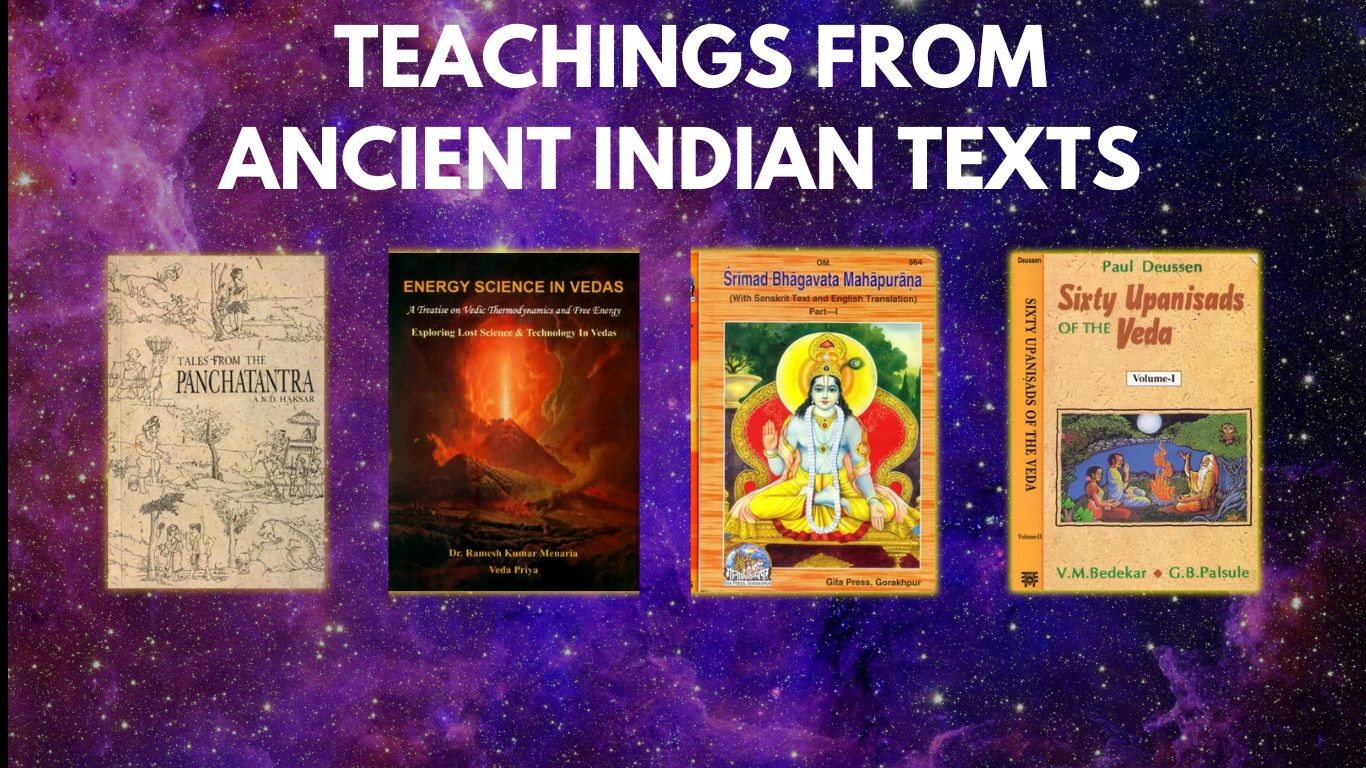
Indian spiritual literature has preserved traditions, prayers, stories, and philosophical teachings for centuries. These sacred texts reflect the cultural and spiritual heritage of India while offering readers opportunities for reflection, learning, and connection with traditional practices.
For many people, devotional books are more than written texts. They represent a way to maintain a connection with faith, family traditions, and personal values. Reading these books can become a meaningful practice that encourages mindfulness and provides moments of peace in daily life.
From hymns dedicated to different deities to regional language compositions, spiritual literature includes a wide variety of works that continue to remain relevant across generations.
Why Are Sacred Texts Important in Indian Culture?
Sacred texts play an important role in preserving spiritual knowledge and cultural traditions. They contain verses, prayers, stories, and teachings that have been passed from one generation to another.
These writings provide insight into different philosophies, devotional practices, and historical traditions. They also reflect the richness of Indian languages and literary styles.
For many households, keeping devotional books is a way of preserving family customs. These books are often associated with festivals, prayers, and special occasions, making them valuable parts of cultural practices.
Beyond religious significance, spiritual texts also encourage readers to explore concepts such as discipline, gratitude, devotion, and self-reflection.
How Do Devotional Books Support Personal Reflection?
Devotional books provide a structured way for individuals to engage with spiritual practices. Reading verses regularly can create a peaceful habit that allows people to step away from daily distractions.
Many readers revisit the same verses multiple times to understand their deeper meanings. Over time, this practice can create a stronger connection with the teachings and traditions represented in the text.
A quiet reading space can enhance the experience. Keeping spiritual books organised and accessible encourages regular reading while maintaining respect for their importance.
Different people follow different approaches. Some may read daily, while others may explore devotional texts during festivals, family gatherings, or personal moments of reflection.
What Is the Importance of Devi Stotras?
Devi stotras are devotional compositions dedicated to the divine feminine. These verses are appreciated for their spiritual significance, poetic structure, and traditional importance.
They describe various qualities associated with feminine divine energy and are often included in personal prayer routines.
For readers interested in understanding these verses, a ya devi shloka book provides access to this traditional composition in a structured format.
Such books can help individuals read, learn, and revisit devotional verses while developing a deeper appreciation for their meanings.
What Makes Vishnu Sahasranamam a Significant Spiritual Text?
Vishnu Sahasranamam is one of the most recognised devotional compositions associated with Lord Vishnu. It contains a thousand names of Vishnu, each representing different qualities and attributes.
The text holds importance in many spiritual practices and is often recited as part of personal devotion. Its structured verses allow readers to follow a consistent reading practice.
A vishnu sahasranamam book allows individuals to keep this sacred composition accessible for regular reading and recitation.
The continued popularity of this text reflects its significance in Indian spiritual traditions and its ability to connect readers with centuries-old practices.
How Do Regional Language Books Preserve Traditions?
Language plays an essential role in maintaining cultural identity. Regional language books allow readers to connect with spiritual texts in a language that feels familiar and meaningful.
India’s diverse languages have contributed to a wide range of devotional literature. Texts available in languages such as Telugu, Tamil, Kannada, and Hindi help preserve unique expressions and interpretations.
Reading spiritual works in a preferred language can make the experience more personal. It allows individuals to understand verses more comfortably and connect with their meanings.
Regional editions also support the preservation of traditional pronunciation and literary styles.
Why Are Telugu Spiritual Books Valuable?
Telugu has a rich literary tradition with many devotional compositions that continue to be appreciated by readers. Books available in Telugu allow individuals to explore spiritual works while staying connected with their language and cultural background.
Regional publications help make traditional literature accessible to wider audiences. They allow younger generations to discover important texts in a form that feels familiar.
A soundarya lahari book in telugu is an example of how spiritual literature continues to reach readers through regional language editions.
Such books help maintain the relationship between traditional verses, language, and cultural heritage.
How Can Families Encourage Spiritual Reading Habits?
Families often play an important role in preserving reading traditions. Introducing younger generations to devotional books through stories, explanations, and regular reading can help maintain cultural connections.
Creating a dedicated time for reading can make spiritual practices easier to follow. This could be during mornings, evenings, festivals, or any peaceful moment that suits the household.
Keeping books carefully stored also reflects their importance. Many families preserve devotional texts because they carry emotional value and memories associated with previous generations.
Sharing knowledge about these books allows traditions to continue while helping younger readers understand their significance.
How Do Spiritual Books Remain Relevant Today?
Although lifestyles have changed, spiritual books continue to remain meaningful for many people. Their teachings, verses, and stories provide opportunities for reflection in a fast-moving world.
Modern readers often combine traditional practices with contemporary lifestyles. Some may explore translations, explanations, or digital resources while continuing to engage with spiritual literature.
The relevance of these books comes from their ability to provide knowledge, inspiration, and a connection with cultural heritage.
Spiritual texts are not only historical works. They continue to be explored and interpreted by readers according to their personal experiences and beliefs.
How Can You Choose the Right Spiritual Book?
Choosing a spiritual book depends on personal interests, language preferences, and the purpose behind reading. Some readers may prefer books dedicated to specific deities, while others may look for texts with translations or explanations.
When selecting a devotional book, consider factors such as language, format, clarity, and how it fits into your reading routine. A suitable book should feel accessible and meaningful.
Collections offered by platforms like Old School Rituals allow readers to explore spiritual books and traditional texts that connect with cultural practices and personal reflection.
The right choice depends on individual preferences and the type of spiritual connection a reader wishes to develop.
Final Thoughts
Sacred Indian texts represent a combination of devotion, literature, history, and cultural heritage. They preserve teachings and traditions that continue to inspire readers across generations.
Through devotional books, individuals can maintain connections with their roots while creating moments of reflection in everyday life.
Whether exploring verses dedicated to deities, regional language literature, or traditional spiritual compositions, these books continue to offer valuable opportunities for learning, understanding, and personal connection.




Be First to Comment