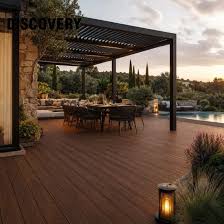
Outdoor spaces have become an important part of modern home design. A well-planned patio, garden deck, or poolside sitting area can make a property more comfortable and attractive while providing additional space for relaxation and entertaining. However, choosing the right decking material requires more than considering its appearance. Homeowners also need to think about durability, maintenance, weather resistance, and environmental impact.
Wood-plastic composite (WPC) decking has gained attention as an alternative to traditional timber. By combining wood fibres with plastic polymers and other additives, manufacturers create boards that offer a wood-inspired appearance with practical benefits for outdoor applications. For homeowners planning a renovation, understanding how composite decking works can make it easier to choose a suitable solution.
What Is WPC Composite Decking?
WPC composite decking is a building material manufactured by combining wood-based fibres or flour with plastic materials. Depending on the product, manufacturers may use recycled or virgin plastics alongside additives that improve processing, colour stability, and resistance to outdoor conditions.
The resulting boards are designed for applications such as garden terraces, balconies, patios, walkways, and pool surrounds. Unlike conventional timber decking, many WPC products do not require routine painting, staining, or sealing. This can simplify maintenance for people who want an attractive outdoor area without spending every season treating wooden boards.
Composite decking is available in different profiles, textures, colours, and finishes. Some products feature grooves, while others have embossed wood-grain patterns that create a more natural appearance. These options allow homeowners to coordinate their decking with garden furniture, exterior walls, fencing, and the overall architectural style of their property.
Why Homeowners Are Choosing Composite Decking
Lower Maintenance Requirements
Traditional wood decking can require regular sanding, staining, sealing, and replacement of damaged boards. Exposure to sunlight and moisture can gradually change its colour and condition, particularly when the timber is not maintained properly.
WPC decking generally requires less routine care. Sweeping away leaves and dirt, followed by occasional washing with water and mild soap, is often sufficient for everyday cleaning. Specific maintenance requirements depend on the product and its manufacturer’s instructions.
This advantage is especially useful for busy households, rental properties, and outdoor entertainment areas where owners prefer to spend time enjoying the space rather than maintaining the surface.
Durability in Outdoor Conditions
Decking is exposed to changing temperatures, rainfall, sunlight, foot traffic, and sometimes standing moisture. A suitable outdoor surface must be able to handle these conditions while maintaining its structural integrity.
Quality WPC boards are engineered for outdoor use and can offer good resistance to moisture-related deterioration, insects, and everyday wear. Some products also incorporate protective surface layers designed to improve colour retention and resistance to stains.
Nevertheless, composite decking is not completely immune to damage. Product quality, installation, drainage, and local weather conditions all affect long-term performance. Buyers should review the technical specifications and warranty before choosing a particular board.
Design Flexibility
A deck should complement the house rather than look like an unrelated addition. WPC products are available in colours such as grey, charcoal, brown, coffee, and teak-inspired shades. Textured finishes can create the appearance of natural wood without requiring the same maintenance routine as many timber products.
For a contemporary property, grey or charcoal boards can create a clean, understated appearance. Warmer brown tones may suit traditional homes, landscaped gardens, and outdoor dining areas. Mixed-colour designs can also introduce visual interest without relying on elaborate decorative features.
Manufacturers offering multiple profiles and finishes make it easier for homeowners, architects, and contractors to select materials that match the dimensions and style of a project.
Choosing the Right WPC Decking for Your Project
Not every composite board is suitable for every application. Before making a purchase, consider the intended use, the installation surface, expected foot traffic, and the local climate.
Grooved and Embossed Decking
Grooved boards have a distinctive surface design and may be suitable for patios, garden paths, and other residential areas. Embossed boards feature textured patterns that imitate the grain of timber. The texture can contribute to the overall appearance and may improve traction, depending on the product’s tested slip-resistance rating.
For wet areas, including spaces around swimming pools, check the manufacturer’s slip-resistance data rather than assuming that every textured board provides the same level of grip.
Hollow or Solid Profiles
Hollow composite boards are generally lighter and can be easier to handle during transportation and installation. Solid boards are typically heavier and may be preferable for certain applications requiring different structural characteristics.
The best choice depends on the supporting frame, board span, expected loads, and installation specifications. A qualified installer can help determine which profile is appropriate for the project.
Protective Surface Technology
Some composite decking uses co-extrusion technology, in which a protective outer layer is applied around the composite core. Depending on its formulation, this layer can improve resistance to staining, moisture, and fading.
These products may suit homeowners who want a more refined finish or expect their deck to experience frequent use. However, comparing technical specifications and warranty conditions remains important because performance varies between manufacturers and product ranges.
The Environmental Considerations of WPC Decking
Environmental performance is another factor worth considering when selecting building materials. Some WPC decking products incorporate recycled plastics or reclaimed wood fibres, potentially reducing demand for virgin raw materials and diverting certain waste streams from disposal.
Composite decking may also reduce the need for repeated applications of wood stains and protective coatings. Its relatively low maintenance requirements can be an advantage over the product’s service life.
However, WPC should not automatically be considered environmentally superior in every situation. Its overall impact depends on the materials used, manufacturing processes, transportation distances, durability, and end-of-life disposal options. Some composite products are difficult to separate into their original components for recycling.
Homeowners interested in sustainable renovations should ask manufacturers about recycled content, product composition, expected service life, and available recycling arrangements. Choosing durable materials and installing them correctly can also help reduce unnecessary replacement and waste.
How to Find a Reliable WPC Composite Decking Manufacturer
The quality of the finished deck depends partly on the material supplier. Working with an experienced wpc composite decking manufacturer can help homeowners, contractors, distributors, and developers identify products that meet their design and performance requirements.
A reliable manufacturer should provide clear information about board dimensions, available profiles, installation accessories, maintenance instructions, and warranty coverage. Technical documentation is particularly useful when the decking will be installed in a commercial environment or an area exposed to challenging weather conditions.
It is also worth asking about production consistency. Differences in colour, surface texture, or dimensions between batches can complicate installation, especially on larger projects. Samples provide a practical way to inspect the finish and compare colour options before committing to a full order.
KR WPC, available through krecocomposites.com, supplies composite decking alongside related outdoor products, including fencing and cladding. Its decking range includes embossed and co-extruded options, with different colours and profiles available for residential and commercial applications. Prospective buyers can review the product specifications and request samples to assess suitability for their projects.
For larger orders, it is sensible to confirm minimum order quantities, production lead times, shipping arrangements, and the availability of matching accessories before finalising a budget.
Installation and Long-Term Care
Even a well-made composite board can underperform if it is installed incorrectly. A stable substructure, adequate drainage, suitable spacing, and proper ventilation beneath the deck help reduce problems associated with moisture accumulation and movement.
Installers should follow the manufacturer’s guidance on fixing systems, expansion gaps, board spacing, and maximum support distances. Composite materials can expand and contract with temperature changes, so these details are important for maintaining a level, secure surface.
Once installed, regular sweeping helps prevent leaves, soil, and other debris from accumulating between the boards. Occasional washing removes everyday dirt, while prompt attention to food spills and other stains can help maintain the finish. Heavy furniture should be moved carefully to minimise scratches, and suitable protective pads can reduce the risk of surface damage.
It is also important to inspect the supporting structure periodically. A clean surface alone does not guarantee that the underlying frame, fasteners, and drainage system remain in good condition.
Creating a More Functional Outdoor Space
Composite decking can do more than provide a walking surface. With thoughtful planning, it can help divide a garden into practical zones for dining, relaxing, gardening, and entertaining guests.
For example, a raised deck beside the house can accommodate an outdoor dining table, while a lower section creates a transition to the lawn. Integrated planters can soften straight edges, and coordinated fencing can provide privacy without making the garden feel enclosed. For smaller balconies, lighter-coloured boards may help create a more open visual effect.
The key is to balance appearance with everyday usability. Consider how people will move through the space, where rainwater will drain, how much sunlight the deck receives, and whether the surface will be used by children, pets, or older family members.
Final Thoughts
WPC composite decking offers homeowners an appealing combination of wood-inspired design, relatively low maintenance, and practical outdoor performance. Its range of colours, textures, and board profiles makes it suitable for many home improvement projects, from compact balconies to larger garden terraces.
The best results come from matching the material to the intended application, checking technical specifications, and following the correct installation procedures. By comparing product quality, environmental considerations, maintenance needs, and supplier support, homeowners can make a more informed decision and create an outdoor space that remains functional and attractive for years to come.





Be First to Comment