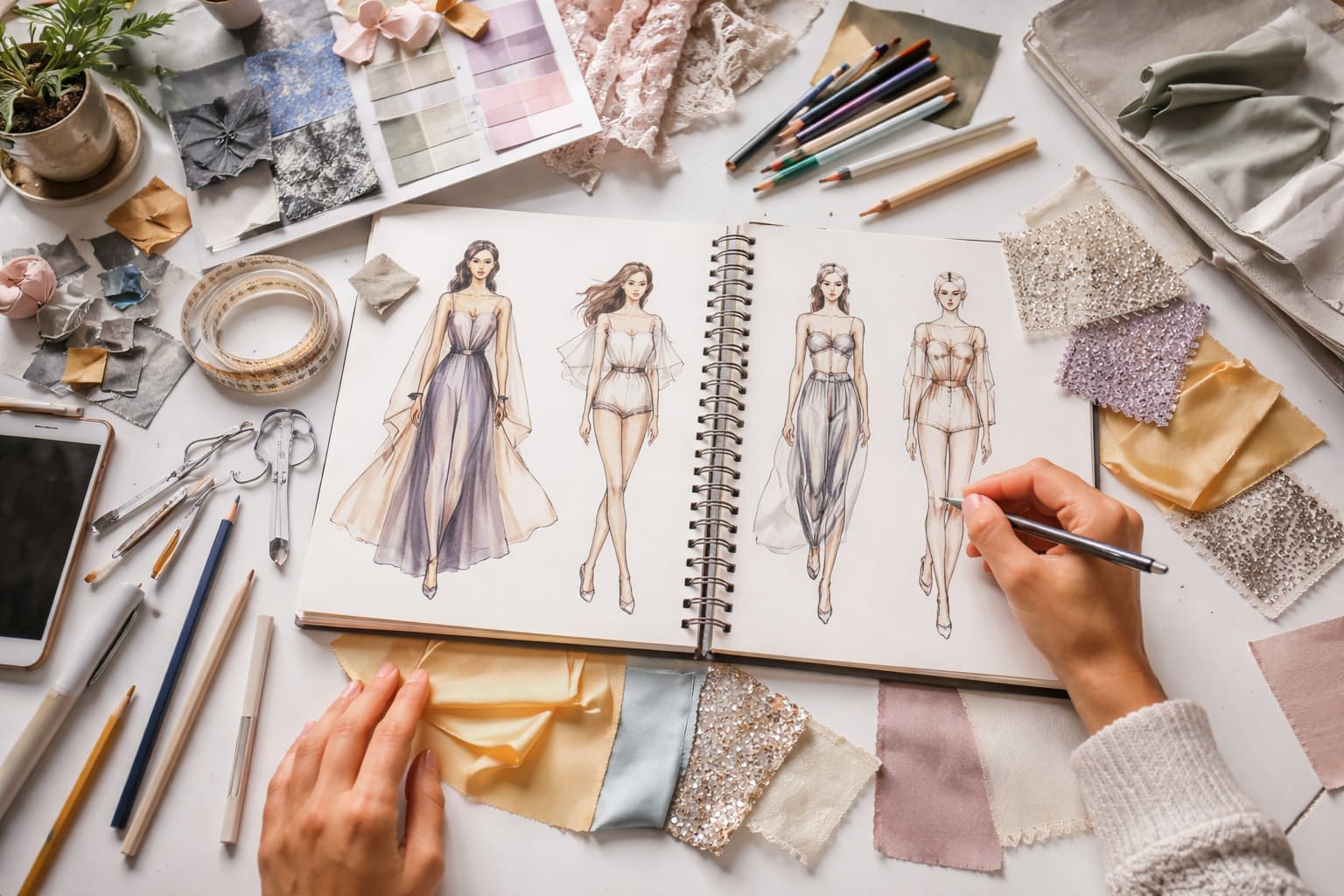
A finished garment or textile product often reflects dozens of decisions made long before production begins. Color, pattern, stitching, and silhouette all contribute to the final appearance, but the choice of fabric can influence nearly every aspect of the design. Two materials with similar colors may behave very differently when cut, sewn, draped, or exposed to regular use.
For designers, manufacturers, and creative professionals, understanding these differences is an important part of turning an initial idea into a finished product. Examining texture, weight, weave, and surface characteristics before selecting a material can help avoid unexpected results and create a more considered design.
Why Fabric Selection Matters Before Production
Fabric selection is not simply about finding a material that looks attractive. A textile must also suit the intended purpose of the finished product. A flowing dress, a structured jacket, and a decorative cushion may require completely different fabric characteristics, even when they share a similar color palette.
Weight influences how a material hangs, while weave affects its surface, flexibility, and structure. Some fabrics maintain a crisp silhouette, whereas others fall more softly around the body. Texture can also change the way a material interacts with light, creating subtle variations that may not be immediately apparent in photographs.
Considering these factors early allows designers to make decisions based on both appearance and practical performance. It also reduces the likelihood of choosing a fabric that looks suitable initially but proves difficult to work with during production.
The Relationship Between Texture and Design
Texture gives fabric much of its visual character. Smooth surfaces can create a clean, understated appearance, while raised patterns and irregular weaves introduce depth. These differences influence how a finished design looks from different angles and under varying lighting conditions.
Texture can also affect the overall mood of a product. A crisp, structured textile may suit a more tailored design, while a softer material can complement relaxed clothing or flowing silhouettes. In interior applications, textured fabrics can introduce visual interest without relying on bold prints or contrasting colors.
The important consideration is how the texture supports the intended design. A highly textured material can become a focal point on its own, whereas a subtle surface pattern may work better when the design already includes prominent details.
Understanding the Character of Seersucker
Seersucker is a useful example of how fabric construction can influence a finished product. Its characteristic puckered surface creates alternating areas of raised and flatter texture, giving the material a distinctive appearance.
Unlike a completely smooth fabric, seersucker does not lie uniformly against the skin. The raised areas can reduce the amount of fabric in direct contact with the body, which contributes to its appeal in warm-weather clothing. Its lightweight construction and textured appearance make it a recognizable option for shirts, dresses, summer separates, and other designs where a relaxed look is desirable.
Designers considering seersucker fabric should pay attention to the material’s weight, texture, and composition rather than treating every seersucker textile as identical. These characteristics can influence how the fabric drapes, how it behaves during sewing, and whether it suits the intended garment.
The scale of the puckering matters, too. A more pronounced texture can create a noticeable visual pattern, while a subtler finish may be easier to combine with other design elements. Understanding these differences helps ensure that the selected material supports the overall concept rather than competing with it.
Why Physical Fabric Samples Make a Difference
Digital images are useful for exploring colors and patterns, but they cannot fully communicate the physical characteristics of a textile. Screen settings, lighting, and image editing can influence how a material appears, making it difficult to judge its exact color or texture from a photograph alone.
A physical sample allows designers to examine the fabric more closely. They can feel its surface, observe how it folds, compare its thickness, and see how light interacts with the weave. These details can reveal differences that are easy to overlook during online research.
Samples are particularly useful when several materials appear similar but may perform differently in the finished product. Comparing them side by side makes it easier to identify which textile best matches the original design intention.
Using Fabric Swatches to Make Better Decisions
A fabric swatch is a small sample that provides a practical way to evaluate a material before committing to a larger quantity. Swatches allow designers to compare different colors, textures, compositions, and finishes without relying entirely on descriptions or product photographs.
A fabric swatch booklet can make this comparison process more organized by bringing multiple samples together in one place. Rather than evaluating fabrics separately, designers can examine several options alongside one another and identify the differences that matter most to their project.
This is useful when coordinating materials for clothing collections, interior projects, or other creative applications. Comparing swatches can help establish whether two fabrics complement each other, whether their textures create enough contrast, and whether their colors work together under the same lighting conditions.
Samples can also be tested in context. Holding a fabric against another material, placing it near a reference color, or observing how it folds can provide a more realistic impression of how it might appear in the finished design.
Matching Fabric Characteristics to the Intended Use
Once the available samples have been examined, the next step is to evaluate how well each material suits the intended application. A fabric that works beautifully for a loose summer shirt may not provide the structure needed for tailored clothing. Similarly, a soft textile may be comfortable for certain garments but unsuitable for a product that requires a firmer shape.
Several factors deserve attention during this stage:
- Weight: Consider whether the material is light enough for the intended design or substantial enough to maintain its shape.
- Texture: Assess whether the surface complements the design’s other details.
- Drape: Observe how the fabric falls when held, folded, or allowed to hang.
- Composition: Check the fiber content and any relevant care instructions.
- Construction: Consider whether the weave and surface are appropriate for the planned sewing or manufacturing process.
These checks help connect the appearance of a fabric with its practical requirements. They also provide a consistent way to compare materials instead of relying on first impressions alone.
Small Decisions That Improve the Finished Product
The difference between an acceptable result and a well-considered design can often come down to details that are easy to overlook at the beginning. A slight variation in fabric weight may change a garment’s silhouette, while a difference in texture can influence how the finished piece looks alongside other materials.
Taking time to compare samples also encourages more deliberate design choices. Rather than selecting the first fabric that appears suitable, designers can assess alternatives and understand why one material may be better suited to the project.
This approach does not eliminate every production challenge, but it can help identify potential mismatches before they become more difficult or expensive to address. Careful material selection therefore becomes an important part of both creative planning and practical production.
Conclusion
The journey from a fabric sample to a finished design involves more than choosing an appealing color or pattern. Texture, weight, weave, composition, and drape all contribute to how a material performs and how the final product looks.
By examining fabrics carefully and comparing physical samples before production, designers can make more informed decisions and reduce uncertainty. Whether working with distinctive textured textiles or comparing several materials for a single project, attention to these small details can help turn an initial concept into a more cohesive and successful finished design.




Be First to Comment