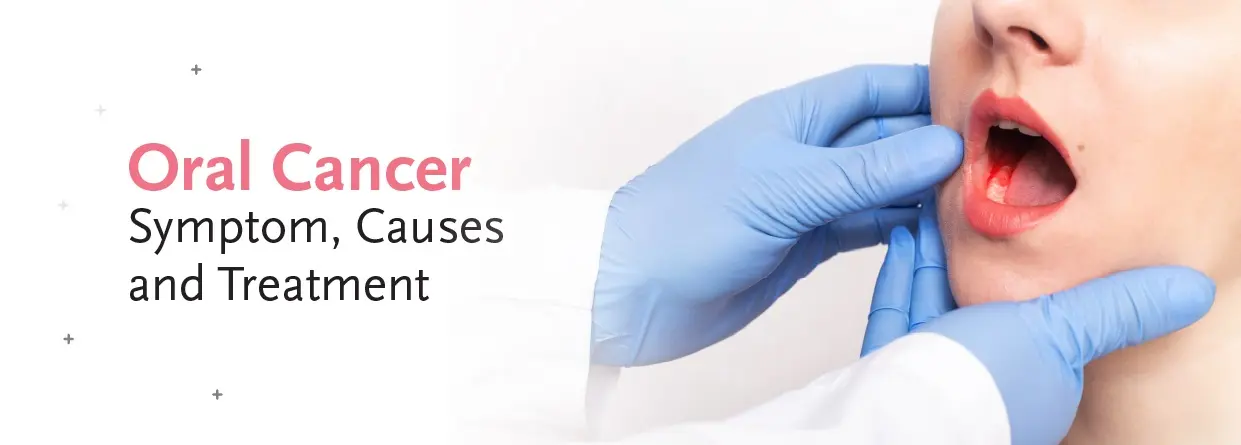
What Are Red & White Patches in the Mouth?
Red and white patches in the mouth are changes in the lining of the mouth that may appear on the tongue, gums, inner cheeks, roof of the mouth, or lips. Sometimes they are caused by a simple ulcer, irritation, or infection. In other cases, they can be an early warning sign of a pre-cancerous change or oral cancer. That is the real oral patches meaning in simple terms: some are harmless, but some need attention.
Common Causes of Red & White Patches
There are several causes of oral patches, and many are not cancer:
- Mouth ulcers – often linked to minor injury, stress, sharp teeth, or irritation from braces or dentures.
- Oral infections – fungal infections such as oral thrush can cause white patches, and when wiped, they may leave red areas underneath.
- Tobacco or alcohol use – both can irritate the mouth lining and raise the risk of abnormal patches.
- Poor oral hygiene – ongoing irritation and inflammation can worsen oral problems and delay healing.
- Irritation from dentures or braces – rubbing, pressure, or poor fit can trigger sores or patchy changes.
When Are These Patches a Warning Sign?
Red or white patches become more concerning when they do not heal or start changing. Possible oral cancer symptoms include:
- Patches lasting more than 2 weeks
- Pain, bleeding, or a thickened area
- Difficulty swallowing, chewing, or speaking
- A lump, irritation, or non-healing sore in the mouth
A persistent white or red patch does not always mean cancer, but it should never be ignored.
Types of Oral Patches
Doctors often describe these patches by how they look:
- White patches (Leukoplakia) – these are white areas that do not rub off easily. Many are not cancer, but some may contain pre-cancerous changes.
- Red patches (Erythroplakia) – these are less common, but they are usually treated more seriously because they are more likely to already contain abnormal or cancerous cells.
- Mixed red and white patches – often called erythroleukoplakia, these are considered more suspicious and usually need close evaluation.
Diagnosis of Oral Patches
Oral patch diagnosis usually starts with a careful look inside the mouth. Your doctor, dentist, or specialist may advise:
- Physical examination of the mouth and neck
- Medical history including tobacco, alcohol, dentures, and previous ulcers
- Biopsy if the patch looks suspicious or does not heal
- Imaging in advanced cases or when deeper spread is a concern
A biopsy is the test that confirms whether the patch is harmless, pre-cancerous, or cancerous.
Treatment Options
The best treatment for oral patches depends on the cause:
- Medications for infections such as antifungal treatment for oral thrush.
- Lifestyle changes such as stopping tobacco and reducing alcohol, which can help some patches settle and lower future risk.
- Removing the source of irritation such as fixing dentures, braces, or rough teeth.
- Surgical removal or specialist treatment if the patch is pre-cancerous or shows dysplasia on biopsy.
Prevention Tips
To help prevent oral cancer and reduce patch-related problems:
- Avoid tobacco in all forms and limit alcohol.
- Follow good oral hygiene tips such as brushing, cleaning the tongue, and caring for dentures.
- Go for regular dental checkups.
- Eat a balanced diet rich in fruits and vegetables.
When to See a Doctor
Treat this as an oral cancer symptoms doctor visit situation if a patch persists, grows, bleeds, becomes painful, or starts affecting eating or speaking. Even if you were originally searching for a hematologist in pune for some other health concern, persistent mouth patches are usually best assessed by a dentist, ENT specialist, oral surgeon, or oncologist without delay.
Why Choose OncoLife Hospitals?
For oral cancer care Pune, timely specialist review matters. OncoLife Hospitals focuses on getting patients evaluated quickly and planning care clearly.
- Expert specialists
- Advanced diagnostics
- Personalized care
The aim is simple: identify what the patch is, act early if needed, and avoid unnecessary delay.
FAQs
Are Red And White Patches Always Serious?
No. Many patches are caused by ulcers, infections, or irritation. But patches that do not heal or keep returning should be examined by a specialist.
Can These Patches Go Away On Their Own?
Some do, especially if they are linked to ulcers or irritation. But a patch that stays beyond 2 weeks should be checked rather than watched for too long.
Are They An Early Sign Of Oral Cancer?
They can be. A red patch, white patch, or mixed patch may sometimes represent a pre-cancerous or cancerous change, especially if it persists.
How Are They Diagnosed?
Diagnosis is based on a mouth examination, history, and sometimes a biopsy. Imaging may be added if the doctor is worried about a deeper problem.
What Is The Best Treatment?
That depends on the cause. Infections need medication, irritation needs correction, and suspicious or pre-cancerous patches may need removal or specialist treatment.





Be First to Comment