Blood glucose testing is an important part of managing diabetes and monitoring overall blood sugar levels. For people who regularly check their glucose at home, using a glucometer with a proper lancing device can make the process quick, convenient, and relatively comfortable. Learning the correct technique is equally important because improper use can cause unnecessary pain, inaccurate readings, or skin irritation. When used correctly, it allows users to obtain an adequate blood sample while minimising discomfort and reducing the risk of contamination. Understanding how to prepare, use, and dispose of the lancet properly can make routine blood glucose testing safer and easier.
What Is a Blood Lancet Needle?
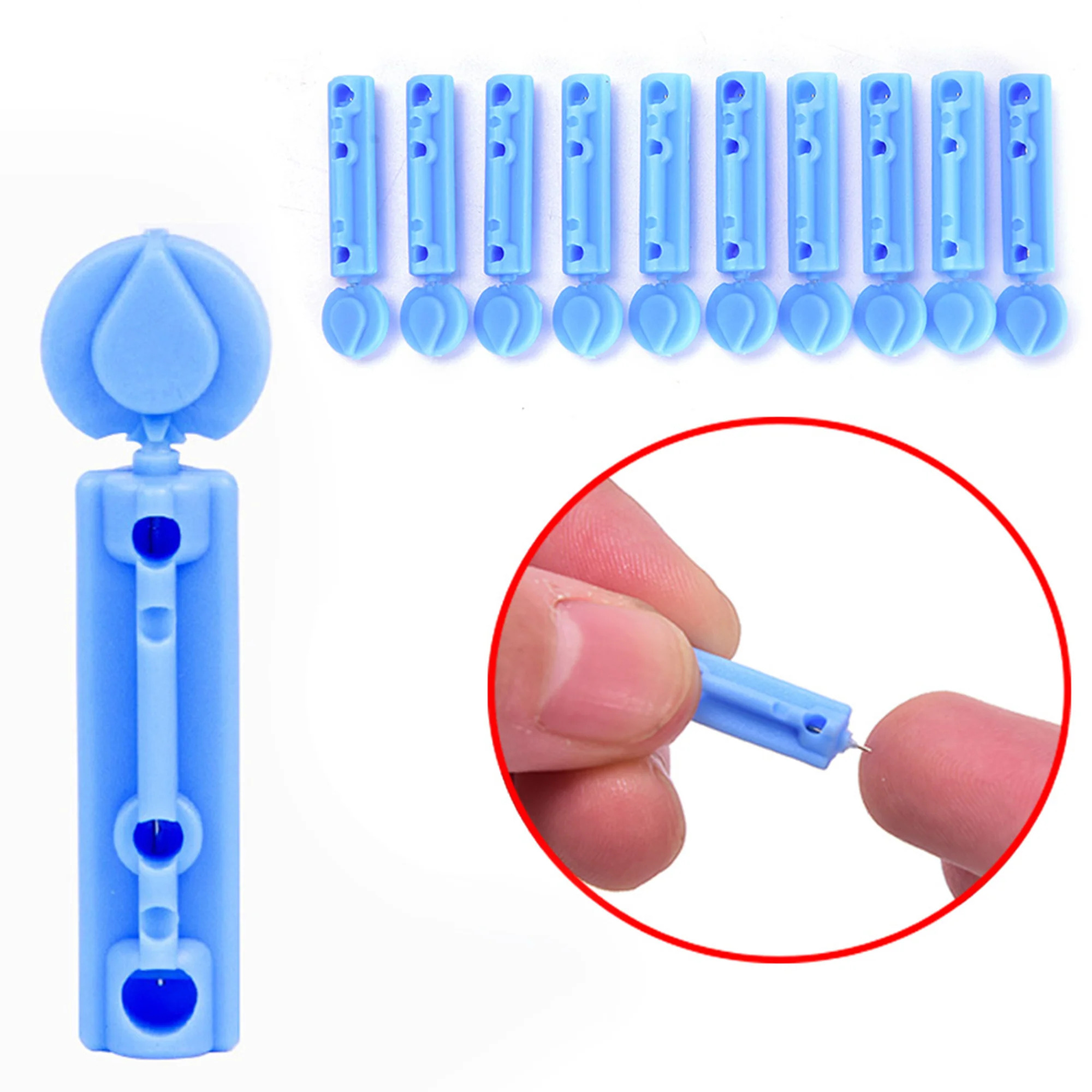
A lancet is a small, sharp medical device used to puncture the skin and obtain a small blood sample. It is commonly used along with a lancing device and a blood glucose meter. A blood lancet needle is a small, sterile, pointed device designed to make a tiny puncture in the fingertip so that a drop of blood can be collected for testing.
Modern lancets are generally designed with a very fine point to create a controlled puncture. The depth of the puncture can often be adjusted through the lancing device, which is useful because different people have different skin thicknesses and testing requirements.
Lancets are normally intended for single use. Reusing them can make the tip less sharp and may increase discomfort or the risk of contamination. Therefore, a fresh lancet should generally be used for each test.
What Do You Need for Blood Glucose Testing?
Before beginning the test, keep all necessary supplies within reach. Depending on the glucometer being used, you may need:
- A blood glucose meter
- Compatible test strips
- A lancing device
- A new sterile lancet
- An alcohol wipe or clean water and soap
- Cotton or clean tissue
- A suitable sharps disposal container
Having everything ready before pricking your finger helps make the process smoother and prevents you from having to search for supplies after the puncture.
Step-by-Step Guide to Using a Lancet
Wash and Dry Your Hands
Start by washing your hands thoroughly with soap and clean water. Dry them completely before testing.
Clean hands help reduce the possibility of dirt or other substances affecting the blood sample. Wet fingers can also dilute the sample and potentially interfere with the glucose reading.
If soap and water are not available, an alcohol wipe may be used according to the instructions for your testing equipment. Allow the finger to dry before obtaining the sample.
Prepare the Lancing Device
Remove a fresh lancet from its packaging and insert it into the lancing device according to the manufacturer’s instructions.
Depending on the device, you may need to remove a protective cap from the lancet and then replace the device’s cap. Adjust the puncture depth if the device provides different settings.
A lower depth may be sufficient for some users, while others may require a slightly deeper setting to obtain an adequate sample. Avoid automatically selecting the deepest setting because it can cause more discomfort than necessary.
Insert a Test Strip Into the Glucose Meter
Turn on the glucose meter and insert a compatible test strip as directed by the manufacturer.
Many modern meters automatically switch on when a test strip is inserted. Wait for the meter to indicate that it is ready for the blood sample.
Always check that the test strips are compatible with the meter and have not expired. Store them according to the manufacturer’s recommendations.
Choose the Puncture Site
The side of the fingertip is generally preferred over the centre because it may be less sensitive and can make testing more comfortable.
Avoid repeatedly puncturing the exact same spot. Rotate between fingers and different areas of the fingertips to reduce soreness and skin irritation.
If your healthcare professional has provided specific instructions about where to obtain your blood sample, follow those recommendations.
Use the Lancet
Hold the lancing device firmly against the selected area and activate it according to its instructions.
A small drop of blood should appear after the puncture. Avoid squeezing the finger excessively, as forceful squeezing can sometimes affect the quality of the sample.
If there is not enough blood, follow the glucometer or lancing device instructions rather than repeatedly puncturing the same area immediately.
Apply the Blood to the Test Strip
Once a sufficient drop of blood has formed, bring the edge of the test strip into contact with the blood.
Most modern test strips are designed to draw the sample into the strip automatically. Make sure enough blood is applied according to the meter’s instructions.
The glucose meter will then process the sample and display the blood glucose reading.
Record the Result
Depending on your diabetes management plan, you may need to record your blood glucose level along with the date, time, meals, medication, exercise, or other relevant information.
Keeping a consistent record can help you and your healthcare professional identify patterns in your glucose levels.
Some modern glucose meters and mobile applications can store readings automatically, making it easier to review results over time.
How Can You Make Finger-Prick Testing More Comfortable?
Frequent glucose testing can sometimes cause fingertip soreness. A few simple habits can help make the process more comfortable.
First, rotate the fingers and puncture locations instead of repeatedly using the same area. Secondly, use the lowest effective lancing depth that provides an adequate blood sample. Your healthcare professional or device instructions can help you determine an appropriate setting.
Keeping your hands warm before testing may also encourage blood flow. If your hands are cold, gently warming them can make it easier to obtain a sample without excessive squeezing.
Most importantly, use a fresh lancet for every test. A lancet that has already been used may become less sharp and can make subsequent punctures more uncomfortable.
Why Should Lancets Not Be Shared?
Lancets and lancing devices should not be shared between people unless the device is specifically designed and approved for such use under appropriate infection-control procedures.
Blood can carry infectious organisms, and sharing equipment that comes into contact with blood can create a potential transmission risk.
Even when testing family members in the same household, each person should have their own appropriate testing supplies. Used lancets should be disposed of safely rather than being left loose in household waste.
Proper Disposal of Used Lancets
Never leave a used lancet exposed on a table, bedside surface, or other open area.
Used lancets should be placed immediately into an appropriate puncture-resistant sharps container. Follow local healthcare-waste disposal recommendations for getting rid of the container when it is full.
Do not attempt to reuse or manually handle a used lancet. Safe disposal is an important part of responsible blood glucose testing.
Common Mistakes to Avoid
Several simple mistakes can affect the testing experience or the reliability of the result.
Using dirty hands: Food residue or other substances on the fingers may interfere with testing.
Using expired test strips: Always check the expiry date and storage instructions.
Reusing lancets: A used lancet can become less sharp and may increase discomfort.
Puncturing the same spot repeatedly: This may lead to tenderness or irritation.
Squeezing the finger excessively: Try to obtain the sample using the recommended technique rather than applying excessive pressure.
Using incompatible supplies: Ensure that the lancet, lancing device, glucose meter, and test strips are suitable for their intended use.
Ignoring unusual readings: If a result seems unexpectedly high or low, follow your healthcare professional’s advice regarding repeat testing and when medical attention may be necessary.
Choosing Reliable Blood Glucose Testing Supplies
The quality and suitability of diabetes-testing supplies matter, particularly for people who monitor their glucose regularly. When purchasing healthcare products, check the product specifications, compatibility, packaging, sterility information, and manufacturer’s instructions.
For individuals or healthcare facilities looking for online medical equipments, TenTabs offers a convenient platform for exploring a range of medical and healthcare products. When selecting any medical consumable, buyers should focus on suitability, proper storage, product quality, and the intended application rather than choosing solely on price.
Final Thoughts
Using a lancet correctly can make routine blood glucose testing simpler, cleaner, and more comfortable. The basic process involves washing and drying your hands, preparing the lancing device, inserting the test strip, selecting an appropriate puncture site, obtaining a small blood sample, and safely disposing of the used lancet.
Consistent technique is especially important for people who test their glucose frequently. Small habits such as rotating puncture sites, using a fresh lancet for every test, checking test-strip expiry dates, and maintaining clean equipment can improve the overall testing experience.
Blood glucose monitoring is only one part of diabetes management. Test results should be interpreted in the context of your healthcare plan, and unusual or concerning readings should be discussed with a qualified healthcare professional. Always follow the instructions supplied with your glucose meter and lancing device for safe and accurate use.





Be First to Comment