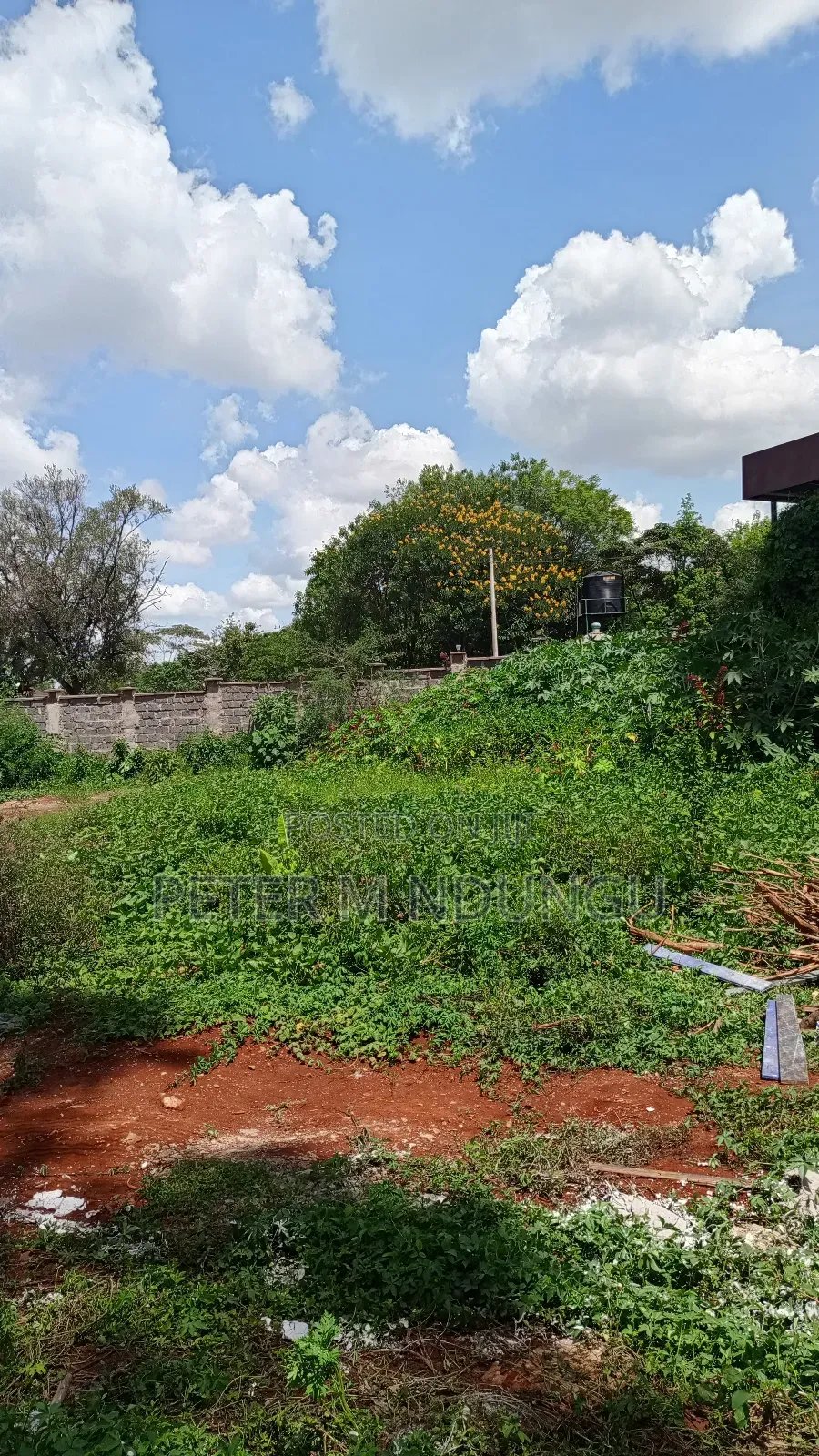
Buying land in Nairobi ties up a large amount of capital, and for many people it simply is not the right move. A young car dealer needs a yard this year, not a title deed in ten years. A contractor needs somewhere to keep sand, ballast and steel for the length of a project. A family wants to grow vegetables or seedlings on a plot near home. In all of these cases, leasing an open piece of land is often the faster and more flexible option. This guide walks through what people use leased land for, how to choose a location, what to look for in the plot itself, how to read a lease, and how to protect yourself from the disputes and scams that sometimes come with land deals.
Why leasing land makes sense for many people
Leasing turns land from a long-term investment into an operating cost. You pay to use the space for an agreed period, and your money stays available for stock, equipment, staff and day-to-day running costs. If the business grows, you can move to a bigger plot; if it struggles, you are not left holding an expensive asset you cannot sell quickly.
The trade-off is security. You do not own what you build on, a landlord may decline to renew, and anything permanent you put up may end up benefiting the owner rather than you. That is why the details of the plot and the paperwork matter so much, and why it pays to look around properly before signing anything. Comparing plots that are currently offered for lease, for example at https://hata.co.ke/nairobi/land-and-plots-for-rent, gives a realistic sense of which sizes, neighbourhoods and road frontages are available, and helps you notice what tends to be included or left out in different offers.
Common uses for leased land in Nairobi
Open land is rented for a surprisingly wide range of purposes.
- Car yards and showrooms: dealers need visibility, a firm surface for vehicles and secure overnight storage.
- Parking: plots near offices, markets, hospitals or event venues can serve as paid or private parking.
- Storage and container yards: shipping containers are often used as lockable stores for goods, tools or furniture.
- Construction material yards: hardware traders and contractors stock sand, ballast, blocks, timber and steel.
- Event venues: open grounds are hired for weddings, church functions, exhibitions and outdoor gatherings.
- Kiosks and container shops: small traders use roadside plots for shops, mobile money points or food stalls.
- Urban farming and tree nurseries: seedlings, vegetables and ornamental plants need water access and some protection.
- Garages and workshops: mechanics, welders and fabricators need space, power and a layout that keeps work away from neighbours.
Choosing the right location
Location decides whether a business on leased land succeeds. A plot that is perfect for storage might be useless for retail, and the reverse is also true.
Traffic and visibility
Car yards, kiosks and showrooms depend on being seen. A plot on a busy road with good frontage will usually cost more than one tucked behind other buildings, but it may bring customers without extra advertising. Storage yards, nurseries and workshops can often accept a quieter spot in exchange for more space.
Access roads
Think about who and what needs to reach the plot. Lorries delivering building materials or containers need a wide, firm road and room to turn. Murram roads can become difficult during the long and short rains, so ask how the road behaves in wet weather.
Zoning and permitted use
Not every use is allowed everywhere. Areas may be set aside for residential, commercial, industrial or agricultural purposes, and some activities, such as workshops or events with loud music, may face restrictions. Before you commit, check with the county government’s planning office whether your intended use is permitted on that particular plot.

Checking the condition of the plot
A visit in person is essential, ideally at different times of day. Look closely at the following:
- Drainage and flooding: low-lying plots or those near rivers and blocked drains can flood during heavy rain. Look for water marks, silt and standing pools, and ask neighbours what happens in the rainy season.
- Fencing and gates: find out whether the boundary is fenced and who maintains it. A weak fence may mean extra spending on your side.
- Security: consider lighting, the general safety of the area and whether you will need a guard, especially for vehicles, containers or stock kept overnight.
- Water connection: nurseries, car washes and many workshops need reliable water. Ask whether there is a connection, a borehole or a storage tank.
- Power connection: workshops, container shops and lit yards need electricity. If there is no connection, ask whether the landlord will allow and support an application, and plan for outages with a backup option if your work depends on power.
Understanding the lease terms
The lease is where most later disagreements start, so read it slowly and make sure everything you have agreed verbally is written down.
Duration and renewal
Short leases offer flexibility but little certainty. If you are spending money on a surface, fencing or a structure, you want a term long enough to recover that cost, and ideally a clear right to renew on agreed conditions.
Rent review and deposit
Check how often the rent can be reviewed and how increases will be decided. Confirm the size of any deposit, what it covers, and the conditions under which it will be returned at the end of the lease.
Rates, utilities and other charges
Agree in writing who pays land rates, water and electricity bills, garbage collection and any service charges. Unpaid rates on the plot are the owner’s responsibility unless the lease says otherwise, but confusion here can still disrupt your business.
What you may build
Most landlords allow temporary structures such as containers, shade nets, iron-sheet sheds or prefabricated offices, but may refuse permanent buildings. The lease should say clearly what you may put up, whether you may remove it when you leave, and what happens to anything left behind.
Restoring the land at the end
Many leases require the tenant to return the land in its original condition. That can mean removing hardcore, foundations or waste, which costs time and money. Understand this obligation before you start building.
Licences and approvals for business use
Running a business on leased land usually needs more than the lease itself. Most businesses in Nairobi need a county business permit, and depending on the activity you may also need approvals related to planning, structures, signage, fire safety, public health or the environment. Food businesses, events and workshops often face additional requirements. Requirements change, so confirm what applies to your activity with the county government and the relevant authorities before you open.
Due diligence before you sign
Land fraud is a real risk, and a careful check at the start costs far less than a dispute later.
- Confirm who owns or controls the land: ask for the title details and carry out an official search at the land registry to confirm the registered owner. If you are dealing with an agent, a relative or a company, ask for written authority showing they can lease the plot.
- Check for disputes: ask neighbours and local administration whether the land is under any family, boundary or court dispute. Signs of an existing occupant should be explained before you go further.
- Get a written lease: avoid informal arrangements. Have an advocate review the lease before you sign so that the terms match what you agreed.
- Pay safely: make payments to the landlord through traceable channels and always get a receipt. Never pay a broker cash without a receipt, and be wary of anyone asking for a large viewing or booking fee.
Common scams to watch for
Some fraudsters advertise land they do not own, collect deposits from several people and disappear. Others pose as the owner’s representative and produce forged documents. Warning signs include pressure to pay immediately, a price that is far below similar plots nearby, refusal to allow an official search, and a “landlord” who cannot meet you on the site. If anything feels rushed or unclear, pause and verify before you hand over money.
Mistakes first-time tenants often make
- Visiting only in dry weather: a plot that looks firm in January may be waterlogged in April.
- Building before getting approvals: structures put up without permission can attract notices or demolition.
- Relying on verbal promises: if the landlord agrees to fence, level or connect power, write it into the lease.
This article offers general information only; laws and county requirements change, so consult a qualified advocate and the relevant authorities before signing any lease or starting a business on leased land.
The bottom line
Leasing land in Nairobi can give a business or household the space it needs without the cost of buying. Start by matching the plot to your real use, then check location, access, drainage, security and utilities in person. Read the lease carefully, especially on duration, renewal, rent reviews, structures and restoration, and make sure the permits for your activity are in place. Above all, confirm who actually owns the land through an official search, get everything in writing and pay only against receipts.





Be First to Comment