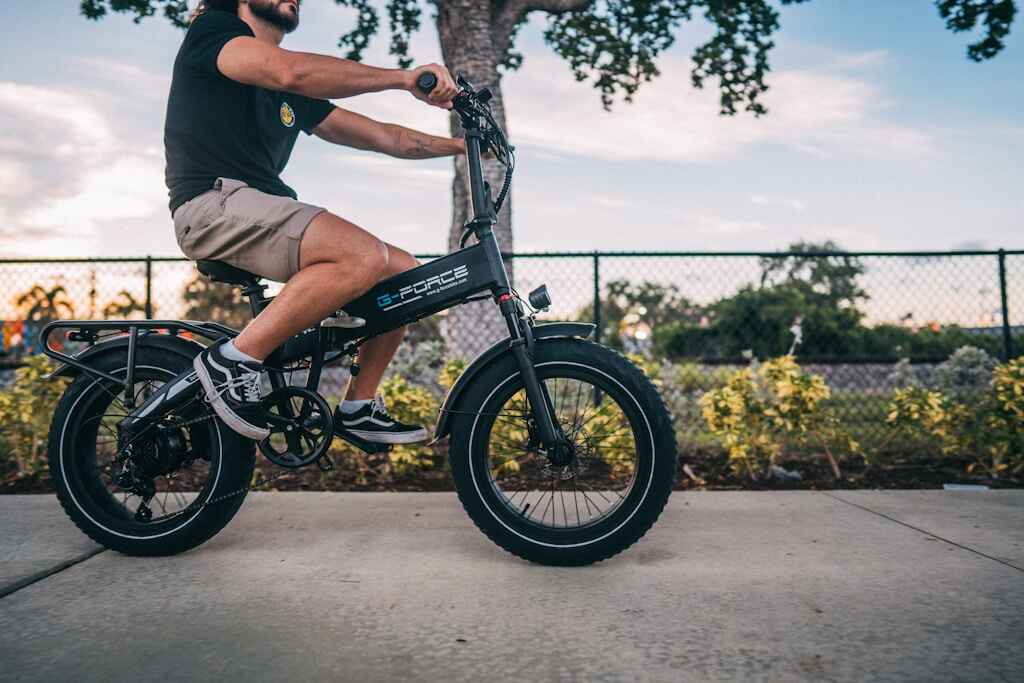
Lithium batteries for e-bikes have become the standard power source for electric bicycles, redefining what riders can expect in terms of performance, range, and everyday usability. Unlike older lead-acid solutions, lithium-ion technology offers a significantly higher energy density, allowing riders to travel longer distances without adding unnecessary weight.
This shift is not just about efficiency. It directly impacts riding comfort, handling, and the overall experience. A lighter battery means a more agile bike, easier transport, and better responsiveness—especially in urban environments where manoeuvrability matters.
What makes lithium batteries for e-bikes superior?
At the core of lithium technology lies its ability to store more energy in a smaller and lighter package. This translates into practical advantages that riders immediately notice in real-world use.
Lithium batteries for e-bikes stand out due to:
- high energy density, enabling longer range without increasing weight
- consistent performance across a wide temperature range
- low self-discharge, allowing longer storage without significant energy loss
These characteristics ensure predictable and stable operation, which is essential for both daily commuters and recreational users.
Where are lithium batteries for e-bikes used?
Although their primary application is electric bicycles—ranging from city bikes to mountain and trekking models—their use extends far beyond this category.
Lithium batteries for e-bikes are also widely applied in:
- light electric mobility solutions such as e-scooters
- drones and portable electronic equipment
- power tools requiring high performance in compact form
Their versatility comes from a unique combination of durability, efficiency, and lightweight construction, making them suitable for various demanding applications.
How to choose the best lithium batteries for e-bikes?
Selecting the right battery involves more than checking capacity. To ensure optimal performance and compatibility, several technical parameters must be considered.
Key factors include:
- capacity (Wh) – determines how far you can travel on a single charge
- voltage (V) – must match the requirements of the motor system
- maximum discharge current – affects acceleration and power delivery
Equally important is build quality. Reliable lithium batteries for e-bikes are designed with durable casings, high-grade cells, and advanced electronics that ensure long-term performance.
Certifications such as IEC or UL further confirm that the battery meets international safety and quality standards. Choosing a trusted manufacturer reduces the risk of failure and extends the lifespan of the entire e-bike system.
Why choosing the right manufacturer matters
Not all lithium batteries for e-bikes are created equal. Differences in cell quality, manufacturing standards, and testing procedures can have a significant impact on safety and durability.
Leading European battery manufacturers, such as EMBS, are investing in advanced testing, quality control and product development. They also provide technical support and offer solutions for battery recycling, which is increasingly important in the context of sustainability.
Choosing a reliable supplier is not just about performance—it is about long-term safety, efficiency, and peace of mind.
FAQ – lithium batteries for e-bikes
How long do lithium batteries for e-bikes last?
Most lithium batteries for e-bikes last between 500 and 1000 full charge cycles. In practical terms, this usually translates to 3–5 years of regular use, depending on riding habits and maintenance.
Can lithium batteries for e-bikes be overcharged?
Modern batteries are equipped with a BMS that prevents overcharging. However, using the correct charger and avoiding prolonged connection to power after a full charge is still recommended.
What is the optimal way to store an e-bike battery?
Lithium batteries for e-bikes should be stored in a cool, dry place, ideally at a charge level of around 40–60%. Avoid storing them fully discharged or fully charged for extended periods.
Are lithium batteries for e-bikes safe?
When manufactured and used correctly, they are very safe. Certified products with built-in protection systems minimize risks such as overheating, short circuits, or overloading.
Can I upgrade my e-bike with a higher capacity battery?
In many cases, yes—but only if the new battery is compatible with the motor and controller. Always check technical specifications before upgrading to avoid damaging the system.





Be First to Comment