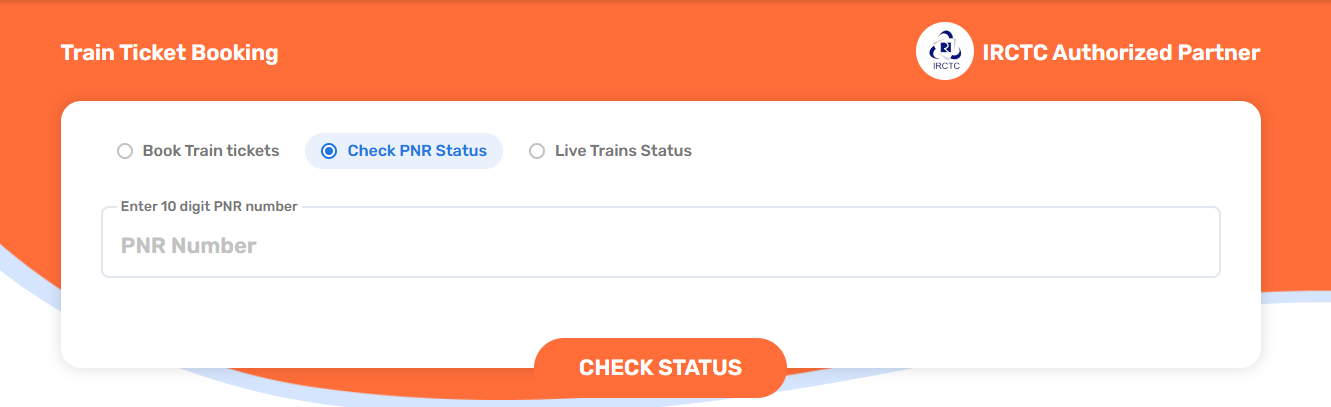
A waitlisted train ticket can make travel planning uncertain because the status may change several times before the journey. You may know your current WL position, but still have no clear idea whether it will reach RAC or confirmed status. A PNR Status shows the latest reservation position, while PNR prediction tools use available booking information and historical patterns to estimate how that position might change. The distinction is important because a prediction is only an estimate and does not represent an official railway confirmation.
PNR prediction can consider factors such as the current waiting-list position, type of waiting list, train and route, journey date, class and historical patterns of reservation movement. However, Indian Railways itself makes an important distinction between prediction and actual status. Its official Passenger Reservation Enquiry website states that PNR prediction is purely indicative and is based on analysis of current and past trends. It also warns that the prediction may differ from the actual status because confirmation of reserved accommodation depends on varying factors.
There is also a significant 2026 development directly related to PNR prediction. In a 7 May 2026 Ministry of Railways release, the government said that RailOne had introduced AI-based predictions of waitlist confirmation probability, and that the reported accuracy of waitlist confirmation prediction had increased from 53% earlier to 94%. This figure describes the reported accuracy of the prediction feature, not a guarantee that an individual passenger’s waitlisted ticket will confirm.
For passengers, the practical approach is therefore to use PNR prediction as a planning aid rather than a promise of confirmation. A favourable prediction can indicate that a ticket has historically or currently favourable conditions, while a lower prediction can signal greater uncertainty. The actual reservation status remains the more important information, particularly as the journey approaches and the reservation chart is prepared. A prediction can help you assess the situation, but it cannot change your waiting-list position or guarantee a berth.
What Is PNR Prediction?
PNR prediction is an estimate of how a waitlisted or RAC booking may progress before the final reservation chart is prepared. A prediction tries to answer a question: based on previous patterns, how likely is the ticket to move towards confirmation?
It generally uses patterns in earlier bookings and cancellations. If similar tickets have historically moved by a certain amount, those patterns can help produce an expected outcome. Methods vary, so prediction remains an estimate rather than a railway promise.
Why Does Your Waitlist Number Keep Changing?
A waitlist is not necessarily static. When passengers cancel confirmed tickets, seats or berths can become available further down the list. As the system processes these changes, a passenger’s position can move towards RAC or confirmation.
Movement is not guaranteed at a fixed rate. It can depend on the train, journey date, class, quota and passenger cancellations.
What Factors Can Affect the Prediction?
One major factor is historical booking behaviour. A prediction system can study how similar bookings moved before departure. This gives it a reference point, but past behaviour cannot capture every change on a future journey.
Another factor is the type of waiting list. The official Indian Railways enquiry system identifies categories including GNWL, RLWL, PQWL, RQWL, DPWL and TQWL. These categories reflect different reservation circumstances, so the same waiting-list number may mean different outcomes.
The timing of cancellations also matters. A ticket may remain unchanged and then move closer to departure if cancellations increase. This is why live status matters more than an earlier estimate.
How Reliable Is PNR Prediction?
The useful distinction is between probability and actual status. A prediction can show the direction in which a ticket may move, but it cannot reserve a berth. The final result depends on the reservation system and availability when charting takes place.
Indian Railways itself gives a clear warning on its official PNR enquiry page. It says the prediction information is purely indicative and is based on analysis of current and past trends. It also states that the prediction may differ from the actual status because confirmation of reserved accommodation depends on varying factors. The page also notes that current status can upgrade or downgrade before final charts are prepared.
This makes the live PNR status more important. If your booking changes from WL to RAC or CNF, that actual update carries more practical value than an earlier prediction.
Why Consider Goibibo for Understanding Your Waitlist Status?
Goibibo adds an information layer for passengers whose tickets are still waitlisted. Its PNR-status service provides a confirmation prediction based on historical booking and cancellation trends, allowing travellers to get an indication of how their waitlisted ticket may progress.
Disclaimer: The service also makes clear that the prediction is only indicative and does not guarantee confirmation, so passengers can use it alongside their actual PNR status.
How Should You Use a Prediction?
A prediction is most useful as one piece of information, not the answer to your travel question. After an IRCTC train-ticket booking, check the current PNR position and use prediction to understand whether similar waitlists have historically shown movement.
It can also help with practical planning. If the ticket remains waitlisted close to departure, review the current status and consider your travel options. Prediction is context, not proof of a seat.
When Should You Check Your PNR Again?
Checking the PNR is useful as the journey date gets closer because status can change as bookings and cancellations continue. Indian Railways notes that before final charts, current status may upgrade or downgrade.
Avoid making an important travel decision solely because a prediction looks favourable. Check the actual booking status, charting status and other journey details. If your plans depend on a confirmed berth, the final status ultimately matters.
The Difference Between Prediction and Confirmation
The simplest distinction is this: prediction describes what may happen, while confirmation describes what has actually happened in the reservation system. A high prediction does not create a confirmed berth, and a low prediction does not mean confirmation is impossible.
Passengers can easily read prediction figures as guarantees, but they are not. A prediction can explain uncertainty while the booking still moves differently. Keeping that distinction in mind makes the information easier to interpret without creating false confidence.
A Better Way to Read Your Waitlist
Rather than focusing on one prediction, look at the full picture. Check your booking status, current status, waitlist category, journey date and charting status, then treat prediction as additional context.
If the current status is moving, you have direct information. If it has not moved, prediction may offer context, but it should not override live information. The official railway system remains the reference point. PNR prediction can make a waitlisted journey easier to understand, especially when you want some context before the final chart is prepared. However, it is an estimate built from trends, not a guarantee. Use it to understand possibilities, while relying on the actual PNR status and final charting information for your travel decision. That distinction can prevent confusion when your ticket is still waiting and your travel date comes closer.





Be First to Comment