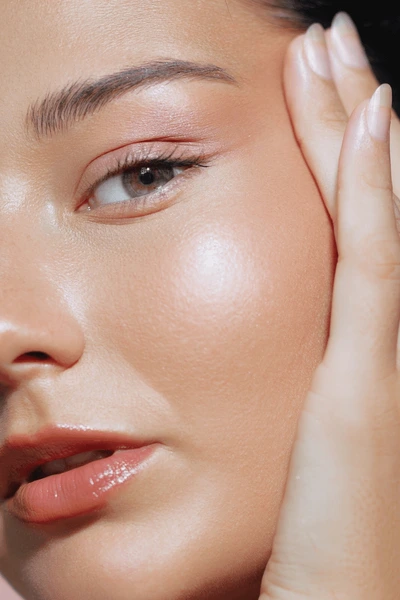
Scroll through fashion feeds today and you will see a recurring theme: simple outfits, neutral colors, natural hair, minimal makeup and an overall sense of effortlessness. It is often labelled the “clean aesthetic.” At first glance, it looks like a style trend, but its popularity comes from something deeper than clothing.
The clean aesthetic is not about dressing plainly. It is about removing visual noise so the person becomes more visible than the styling. The focus shifts from decoration to presence.
Not Minimalism, But Clarity
People often confuse the clean aesthetic with minimalism. Minimalism is about owning fewer items. Clean aesthetic is about visual clarity.
Someone can wear color, jewelry and texture while still appearing clean if everything feels intentional and balanced. The look works when nothing competes for attention.
Instead of adding features, it refines them.
Skin Is the Foundation, Not the Finish
Makeup used to be the center of presentation. Now skin quality often replaces it.
The clean aesthetic relies on skin looking calm and consistent:
- Even tone
- Natural texture
- Soft hydration
- Minimal coverage
Because the goal is not to create a new face but to present a clear one. This explains the growing interest in maintenance-style treatments. Clinics such as dermani MEDSPA® help people prioritize long-term skin stability so cosmetics become optional rather than necessary.
When the base looks settled, styling becomes lighter.
Grooming Over Styling
The aesthetic favors preparation over performance.
Instead of daily transformation:
- Hair is shaped to fall naturally
- Brows frame expressions rather than dominate them
- Lips look healthy rather than colored
The person appears put together without appearing “done.” Effort shifts from visible styling to invisible maintenance.
Why It Feels Modern
The clean aesthetic aligns with how people live now. Daily schedules move quickly between environments: work, social settings, travel and digital meetings.
Heavy styling belongs to specific occasions. Clean styling belongs to everyday life. It adapts without adjustment.
It communicates readiness rather than presentation.
Confidence Without Decoration
Interestingly, the look signals confidence more than bold fashion does. When fewer elements compete for attention, people read body language more clearly. Eye contact, tone and expression carry more weight.
This creates a perception of calmness and competence. Not because the person is trying to impress, but because nothing distracts from communication.
The Role of Consistency
The aesthetic depends on reliability. A polished look one day and a rushed look the next breaks the effect. Clean style works best when appearance remains steady across situations.
That stability often comes from routines that reduce daily effort. Instead of rebuilding an image each morning, people maintain a baseline.
Consistency becomes the style.
A Shift in Beauty Values
The popularity of the clean aesthetic reflects a wider cultural shift. People increasingly value authenticity over transformation.
Rather than asking, “How can I change my appearance today?” the question becomes, “How can I look like myself on a good day every day?”
The difference is subtle but meaningful.
More Than a Trend
Fashion trends cycle quickly, but this aesthetic persists because it solves a modern problem: the need to look presentable without constant preparation.
It blends practicality and self-expression. Clothes become supportive rather than performative. Grooming becomes preventative rather than corrective.
The clean aesthetic is not about less effort. It is about moving effort earlier in the process so daily life feels lighter.
And that is why it resonates. It is less about appearance and more about ease.




Be First to Comment