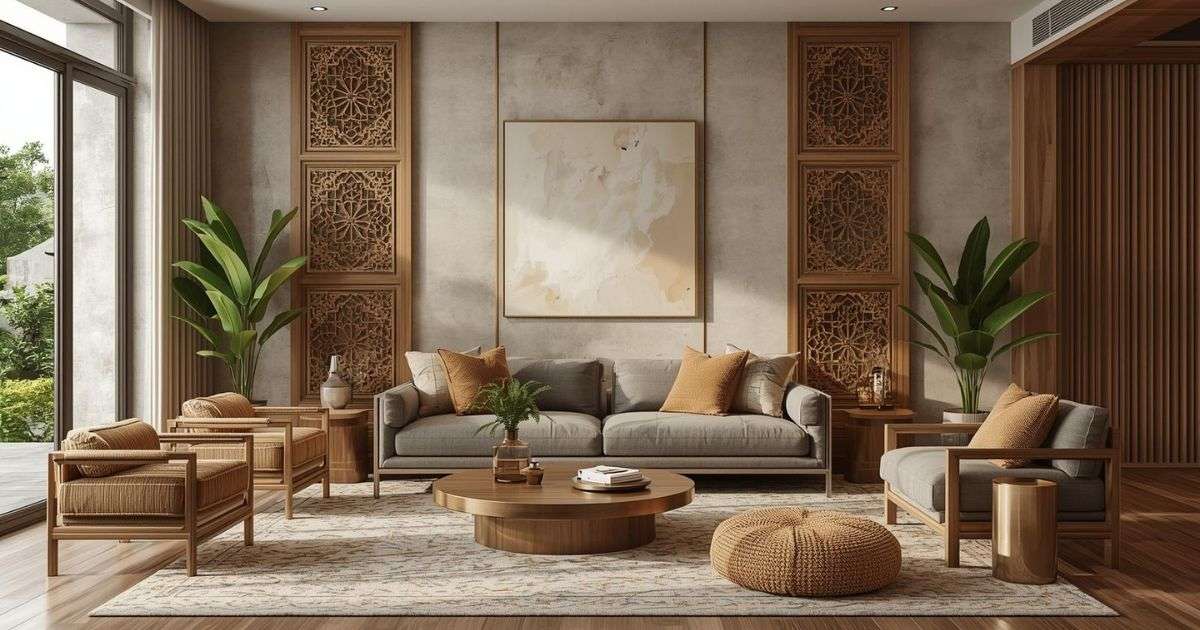
Homes Are Learning To Move With Us
Decorating used to be treated like a final decision. You chose a sofa, placed a bookshelf, hung artwork, bought a dining table, and hoped the setup would work for years. But people’s lives do not stay still that long anymore. A living room becomes a home office. A spare bedroom becomes a nursery. A kitchen table becomes a homework station. A small apartment has to act like three rooms at once.
That is why modular decorating is becoming so appealing. Even small tools like Velcro cable ties fit into this shift because they make it easier to adjust, organize, and rethink a space without making anything permanent. When cables, lighting, decor, and devices can be moved cleanly, the room becomes easier to change.
The New Goal Is Not Perfect. It Is Adaptable
People are no longer decorating only for how a room looks in a photo. They are decorating for Tuesday morning, movie night, video calls, visiting relatives, indoor workouts, and quiet evenings. A beautiful room still matters, but a useful room matters more.
Modular decorating supports that reality. Instead of building every choice around one fixed arrangement, it creates options. A sectional sofa can be rearranged. Shelving can grow or shrink. Storage cubes can move from a bedroom to a hallway. Folding tables can appear when needed and disappear when the room needs breathing space.
This approach is less about chasing a certain style and more about building a home that can respond.
Small Spaces Made Modularity Mainstream
The rise of modular decorating has a lot to do with smaller living spaces. Many renters and homeowners are trying to get more function out of fewer square feet. A room may need to serve as a workspace during the day and a relaxing lounge at night. Without modular thinking, that kind of pressure can quickly turn into clutter.
Modular pieces help people make every inch work harder. Stackable stools, nesting tables, wall mounted storage, rolling carts, and movable partitions all allow a space to shift without requiring major changes. A room can open up, close down, or change purpose depending on the moment.
The National Association of Home Builders research on housing trends reflects how home preferences continue to change with lifestyle, affordability, and space needs. As people rethink how they live, furniture and decorating choices have to keep up.
Renters Need Design That Can Travel
Renters have always had to be creative, but modular decorating gives them more freedom. If you cannot knock down a wall, replace built ins, or renovate a kitchen, you need solutions that work within limits.
That might mean peelable wall treatments, freestanding shelves, removable hooks, plug in lighting, compact storage, and furniture that can survive a future move. The best renter friendly pieces do not belong to one apartment only. They can travel to the next home and still make sense.
This is a major reason modular decorating feels practical rather than trendy. It respects the fact that many people are in transition. They may not know where they will live in three years, but they still want their current space to feel personal, organized, and comfortable.
Sustainability Is Pushing People Away From Disposable Decor
Modular decorating also connects to sustainability. When furniture and decor can adapt, people do not need to replace them as often. A bookshelf that works in a bedroom today might become kitchen storage later. A modular sofa can shift shape instead of being discarded when a layout changes. A set of storage bins can move from toys to tools to office supplies.
The U.S. Environmental Protection Agency’s guidance on reducing waste encourages reuse, repair, and thoughtful consumption at home. Modular decorating supports that mindset because it favors items with longer, more flexible lives.
Instead of buying for one very specific look, people are buying for future usefulness. That small shift can reduce waste and save money over time.
Technology Has Changed the Way Rooms Function
Decorating used to focus mostly on furniture, color, texture, and lighting. Now it also has to account for chargers, routers, speakers, monitors, smart devices, gaming systems, work setups, and hidden cables. A room that looks calm in the morning can become a tangle of cords by the afternoon.
Modular decorating treats technology as part of the design, not an afterthought. Cable management, movable lamps, adjustable desks, and portable charging stations make it easier to keep rooms flexible. The goal is not to hide every sign of modern life. It is to make technology easier to live with.
When tech setups can change without damaging walls or furniture, people are more likely to keep spaces tidy and functional.
Modular Does Not Have To Mean Cold
Some people hear “modular” and imagine plain boxes, temporary furniture, or rooms with no personality. But modular decorating can be warm, layered, and expressive. The difference is that the personality comes through flexible pieces rather than fixed decisions.
A modular home can still have art, color, plants, books, textiles, and meaningful objects. In fact, modular decorating often gives those personal touches more room to shine because the basic structure is easier to manage.
A room does not need to be permanent to feel settled. It needs to feel intentional. When the layout supports daily life, the whole space feels calmer.
Families Need Rooms That Grow
Family life is one of the clearest examples of why modular decorating matters. Babies become toddlers. Toddlers become school age kids. Play areas become study zones. Guest rooms become shared rooms. Storage needs change constantly.
A fixed decorating plan can become outdated quickly. Modular choices make it easier to adjust without starting over. A changing table can become a dresser. Open shelves can become toy storage, then book storage. A playroom can turn into a teen hangout with a few smart swaps.
This kind of flexibility reduces the pressure to redesign from scratch at every stage. The home can grow with the people inside it.
Modular Decorating Encourages Better Choices
When you decorate modularly, you start asking better questions. Can this piece serve more than one purpose? Can it move easily? Can it be repaired? Will it work in another room? Is it useful beyond one trend? Can it adapt if my life changes?
These questions lead to more thoughtful buying. They also reduce impulse purchases. A decorative object can still be chosen for beauty, but bigger pieces often need a stronger reason to enter the home.
That does not make decorating less creative. It makes it more personal because the room is shaped around real needs instead of outside pressure.
The Future Of Decorating Is Flexible
Decorating is becoming more modular because people need homes that can keep up. Work changes. Families change. budgets change. Technology changes. Square footage changes. A room that can only do one thing often feels out of step with modern life.
Modular decorating gives people more control. It makes spaces easier to rearrange, easier to move, easier to maintain, and easier to enjoy. It supports sustainability by helping items last longer and serve more purposes. It also makes decorating feel less intimidating because changes can happen in layers instead of all at once.
The best homes are no longer the ones that look untouched. They are the ones that can shift gracefully as life happens. Modular decorating gives that kind of home a practical, creative path forward.




Be First to Comment