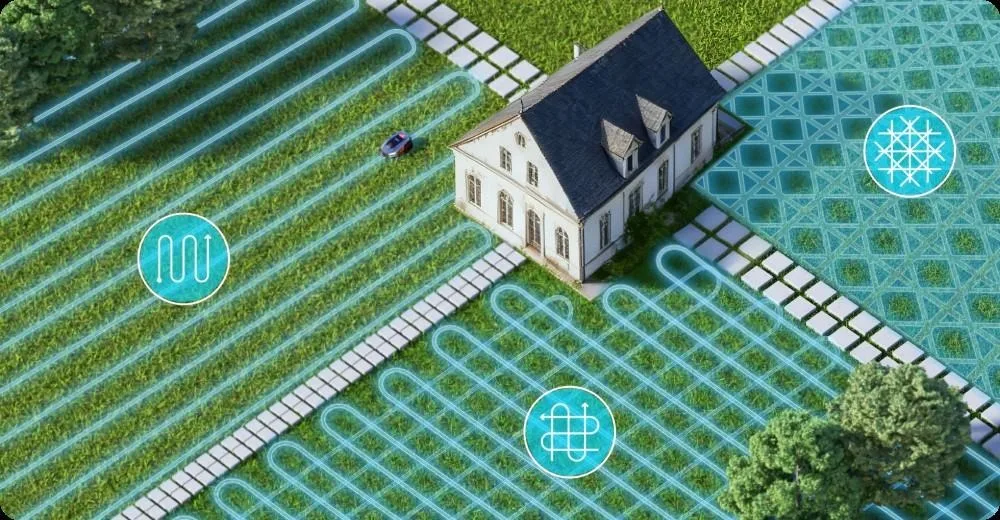
Robot mowers manage multi-acre lawns by combining accurate mapping, systematic route planning, automatic charging, and zone-based scheduling. Instead of cutting an entire property in one pass, they divide the workload into repeatable mowing cycles and maintain grass through frequent, light trimming. Large properties require stronger batteries, reliable positioning, durable traction, and efficient navigation between separate areas. When the mower matches the property’s size and terrain, it can maintain broad lawns with limited supervision. This guide explains how large-scale robotic mowing works and how owners can optimize coverage.
How Robot Mowers Cover and Navigate Multi-Acre Lawns
Smart Mapping for Large Lawn Areas
Smart mapping allows a robot mower to identify lawn boundaries, pathways, restricted spaces, and separate work zones. Depending on the system, mapping may use satellite positioning, cameras, onboard sensors, virtual boundaries, or several technologies together. The mower stores this layout and uses it to navigate repeatably across large areas. Accurate maps reduce missed strips, unnecessary turns, and repeated travel. Owners can often edit zones later when landscaping, outdoor furniture, access routes, or lawn boundaries change.
Efficient Route Planning and Mowing Coverage
Large-scale mowing works best when the machine follows structured routes rather than moving randomly. Efficient route planning divides the lawn into logical passes, reduces overlap, and helps the mower use battery power more effectively. The system may pause when energy runs low, return to the charging station, and resume from the unfinished location afterward. Wide cutting systems also increase productivity by covering more grass per pass. Owners should choose a mower rated above the actual mowable acreage to allow for slopes, obstacles, travel time, and seasonal growth.
Handling Obstacles, Zones, and Complex Landscapes
Multi-acre properties often include trees, ponds, flower beds, fences, slopes, pathways, and detached grass sections. Robot mowers manage these features through obstacle sensors, mapped no-go areas, boundary controls, and separate mowing zones. Advanced models can slow down, reroute, or stop when they detect an object. Owners should keep narrow passages clear and define hazardous edges precisely. Regular map reviews are important after landscaping changes because outdated boundaries can create missed areas, inefficient travel, or repeated navigation errors.
Key Technologies That Support Large-Scale Mowing
Battery Performance and Automatic Charging Systems
Battery capacity determines how long robotic lawn mowers for large lawns can operate before recharging, while charging efficiency affects how quickly they can return to work. For multi-acre lawns, automatic docking and resume-after-charging functions are essential. The mower should calculate remaining power, return before the battery becomes critically low, and continue from the correct location. Strong battery management also reduces unnecessary charging cycles. A well-positioned station with clear access improves docking reliability and helps maintain a consistent mowing schedule across multiple zones.
Advanced Navigation and Positioning Features
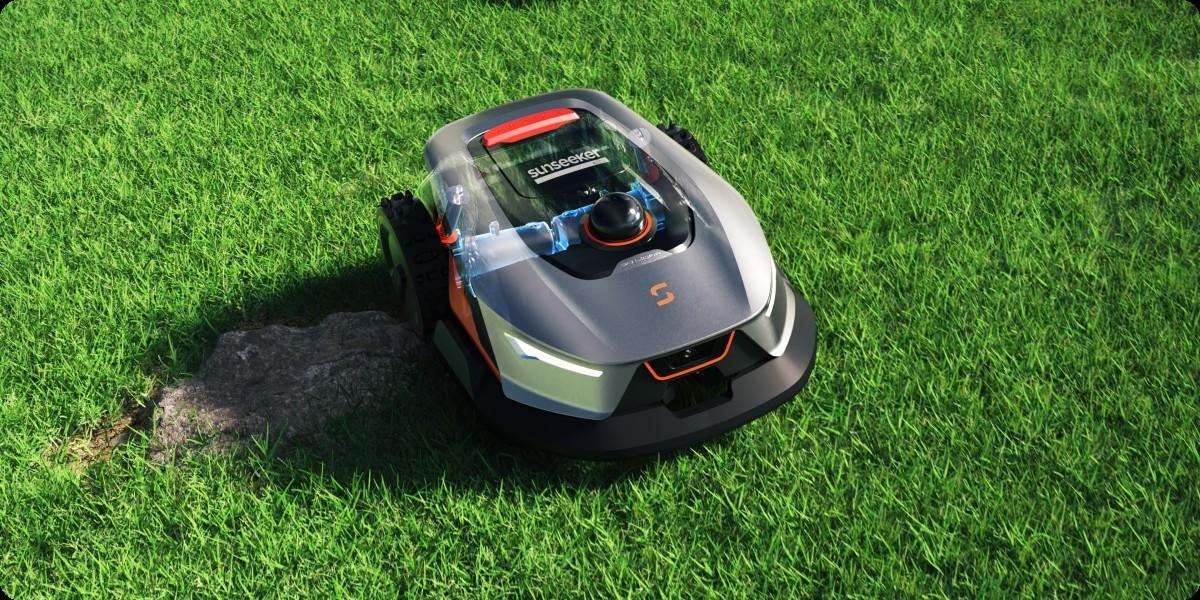
Precise positioning helps the mower follow boundaries, maintain straight routes, and move between distant lawn sections. Large properties benefit from systems that combine satellite guidance, visual navigation, artificial intelligence, and onboard sensors. Sunseeker Elite robot lawn mowers for large yards cover approximately 0.5 to 1.5 acres and use wire-free navigation, AWD traction, smart zone control, and cutting systems with dual-disc designs up to 14 inches. These features support broader coverage while reducing repeated passes across estate-style lawns and large outdoor spaces.
Terrain Adaptation and Weather Resistance
Multi-acre lawns may include steep slopes, uneven soil, damp grass, exposed roots, and soft ground. Strong traction, suitable wheel design, all-wheel drive, and adequate ground clearance help the mower remain stable. Weather-resistant housings, sealed electronics, rain detection, and corrosion-resistant parts support dependable outdoor operation. Owners should still avoid mowing during severe weather, flooding, or extremely soft conditions that can reduce traction, damage turf, or prevent reliable charging and navigation.
Setting Up Robot Mowers for Multi-Acre Properties
Dividing Large Lawns Into Manageable Mowing Zones
Divide the property into zones based on lawn size, terrain, growth rate, visibility, and access. Front lawns and high-use areas may need more frequent cutting, while shaded sections can follow lighter schedules. Ensure the mower has a safe route between connected zones and create separate plans for areas divided by gates, paths, or driveways. Balanced zones prevent one section from consuming excessive battery time. They also make it easier to identify coverage problems, adjust priorities, and complete mowing across the property.
Optimizing Schedules for Continuous Lawn Care
Schedule frequent, moderate mowing sessions instead of waiting for grass to grow tall. Spread large zones across different days and allow enough time for charging between cycles. Increase mowing frequency during rapid spring growth and reduce it during dry or slow-growing periods. Avoid busy hours when people, pets, sprinklers, or garden equipment may block the mower. Reviewing completion history helps identify zones that need longer sessions, different start times, or revised priorities.
Using Smart Controls for Remote Management
Smart controls allow owners to manage large properties without checking the mower constantly. Through an app, users can adjust schedules, cutting height, zone priority, rain settings, no-go areas, and route preferences. Alerts can report docking failures, blocked wheels, low battery, or interrupted mowing. Review activity logs regularly to find repeated stops or incomplete zones. Remote control improves convenience, but supervised test runs remain useful after software updates, landscape changes, or major boundary adjustments.
Conclusion
Robot mowers manage multi-acre lawns through accurate mapping, organized route planning, automatic charging, and carefully scheduled mowing zones. Their effectiveness depends on choosing a model with enough coverage capacity, reliable positioning, strong terrain handling, and durable outdoor construction. Owners should divide large properties logically, keep travel routes clear, position the charging station correctly, and adjust schedules as grass growth changes. Smart controls simplify monitoring, while regular inspections preserve consistent performance. With the right setup, a robotic mower can maintain expansive lawns efficiently and reduce the time spent on routine cutting.





Be First to Comment