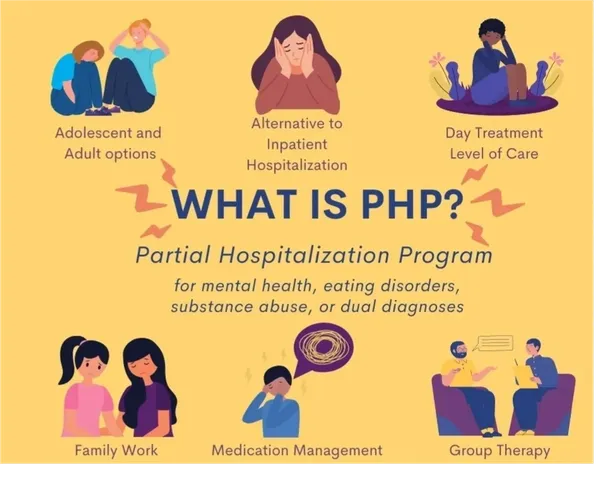
Stepping out of a residential addiction facility brings a mix of relief and fear. You might wonder how you will stay sober when you sleep in your own bed and walk past your old triggers. A partial hospitalization program, or PHP, provides the heavy safety net you need during this exact moment. It keeps you accountable through intensive daily treatment while letting you practice real life at home every night.
Understanding Partial Hospitalization Programs in Modern Addiction Treatment
Finding the right level of care can make or break your recovery. When standard outpatient therapy is too weak, but you no longer need round-the-clock nursing care, a PHP rehab program fits the gap. It gives you high-level clinical support without locking you inside a facility for weeks on end.
Defining the Structure and Intensity of Care
A partial hospitalization program is a medical and psychological day treatment model for substance use disorders. You typically spend 20 to 30 hours per week at the treatment center, spread across 5 to 7 days. Your day consists of back-to-back group therapy, individual counseling, and psychiatric check-ins. You arrive in the morning, complete your clinical schedule, and head home in the late afternoon. This high time commitment mimics the daily routine of inpatient rehab while giving you your nights back.
Bridging the Gap Between Inpatient Rehab and Independent Living
Stepping straight from a locked facility into the outside world often leads to quick relapse. A day treatment model solves this problem by offering a gradual transition. You get medical and emotional support during your most vulnerable waking hours. Then, you test out your new coping skills at home each evening. If a craving hits hard on a Tuesday night, you can bring it right back to your therapist on Wednesday morning.
Identifying Who Benefits Most From Day Treatment Models
Not everyone needs to sleep at a rehab center to get better. PHP works best for people who have a safe, substance-free home environment and a high risk of relapse. You do not need 24/7 medical detox or constant supervision to qualify. Instead, you need a structured environment to help you manage intense cravings and emotional triggers. It also serves people who recently relapsed in outpatient therapy and need to step up their care intensity.
Core Therapeutic Components Driving Long-Term Sobriety
Healing from substance use takes more than just willpower. You have to unpack the root causes of your drug or alcohol use and build new ways to handle stress. A robust daily schedule uses several evidence-based treatments to help you rewire your habits and thoughts.
Evidence-Based Psychotherapy Modalities Used Daily
Therapists in a PHP rely heavily on cognitive behavioral therapy and dialectical behavior therapy. These talk therapies teach you how to spot negative thought loops before they lead to drug use. You learn concrete skills to manage intense anger, sadness, and anxiety without reaching for a bottle or a pill. Daily practice helps make these new mental habits second nature.
Addressing Co-Occurring Mental Health Disorders
Many people struggling with addiction also battle hidden mental health issues like depression, anxiety, or trauma. Dual-diagnosis care treats both problems at the exact same time. If your depression goes unmanaged, your sobriety will always remain at risk. Doctors and therapists work together to prescribe medications and talk through past pain while you heal from addiction.
Group Dynamics and Peer Accountability Mechanisms
Sitting in a circle with other people fighting addiction can feel scary at first. Soon, you realize you are not alone in your shame and fear. Group therapy lets you practice honest communication and hear how others handle everyday triggers. Your peers will call you out when you make excuses and cheer for you when you win. This shared accountability builds a strong bond that keeps you coming back each day.
Clinical Efficacy and Measurable Outcomes of Day Treatment
Addiction treatment costs time and money, so you want to know what actually works. Decades of addiction medicine research show that day treatment programs produce strong results for long-term recovery.
Comparing Success Rates With Traditional Inpatient and Outpatient Care
Studies in addiction journals show that PHP retention rates match or beat traditional inpatient programs. Patients who complete a full day treatment schedule often stay sober just as long as those who spent a month in a residential bed. The secret lies in immediate real-world practice. Because you face triggers every night at home, you learn how to handle them while your treatment team is still backing you up.
Preventing Relapse Through Structured Daily Support
Relapse rarely happens out of nowhere. It starts with a bad mood, a missed meeting, or contact with an old friend, followed by days of isolation. A daily program interrupts this cycle early. When your therapists and peers see you withdrawing or skipping groups, they step in before you use substances. That constant contact cuts down the window for a slip-up to turn into a full relapse.
Measuring Cost-Effectiveness and Resource Accessibility
Residential treatment carries a massive price tag because you pay for room, board, and round-the-clock staffing. A partial hospitalization schedule cuts out the cost of overnight housing while keeping the medical care intact. Insurance companies often favor this model because it delivers hospital-grade psychiatric therapy at a fraction of the cost. This makes intensive treatment available to people who cannot afford a month-long stay in a luxury facility.
Practical Challenges and Overcoming Barriers to PHP Participation
Committing to 30 hours of treatment a week disrupts your normal routine. Facing these practical hurdles ahead of time helps you stay in the program when stress builds up.
Managing Logistics, Transportation, and Work-Life Balance
Balancing a full treatment schedule with family duties takes careful planning. Many employers offer medical leave or flexible hours for addiction treatment under the law. If driving to the clinic every day feels tough, look into public transit options or carpools with other patients. Lean on family members to handle household chores or childcare while you focus on your recovery hours.
Navigating Health Insurance Coverage and Policy Restrictions
Dealing with insurance companies can add heavy stress to an already hard time. Start by calling the number on the back of your insurance card to ask about your mental health benefits. Ask if your plan requires prior authorization for day treatment. If your provider denies coverage, your treatment center can help you file an appeal with clinical notes showing your medical need.
Transitioning Successfully From PHP to Intensive Outpatient Programs
You will not stay in a partial hospitalization schedule forever. As your sobriety solidifies, your care team will recommend stepping down to an intensive outpatient program. This next phase cuts your weekly treatment time down to 9 to 15 hours. It gives you more space to return to work or school while keeping a safety net of weekly group therapy.
Navigating Your Recovery Path Through Partial Hospitalization
Choosing a partial hospitalization schedule means you do not have to put your entire life on hold to get better. It gives you the high-level medical and emotional care you need during the day and the freedom to sleep in your own bed at night.
Key Takeaways for Patients and Families Weighing Treatment Options
- Intensive support: You get 20 to 30 hours of clinical care and therapy each week.
- Real-world practice: You test your new coping skills at home every single evening.
- Dual-diagnosis care: Therapists treat your mental health and addiction at the same time.
- Cost savings: You receive hospital-level treatment without paying for overnight residential housing.
If you or a loved one needs help breaking the cycle of addiction, reach out to a local treatment center today to check your PHP options.



Be First to Comment