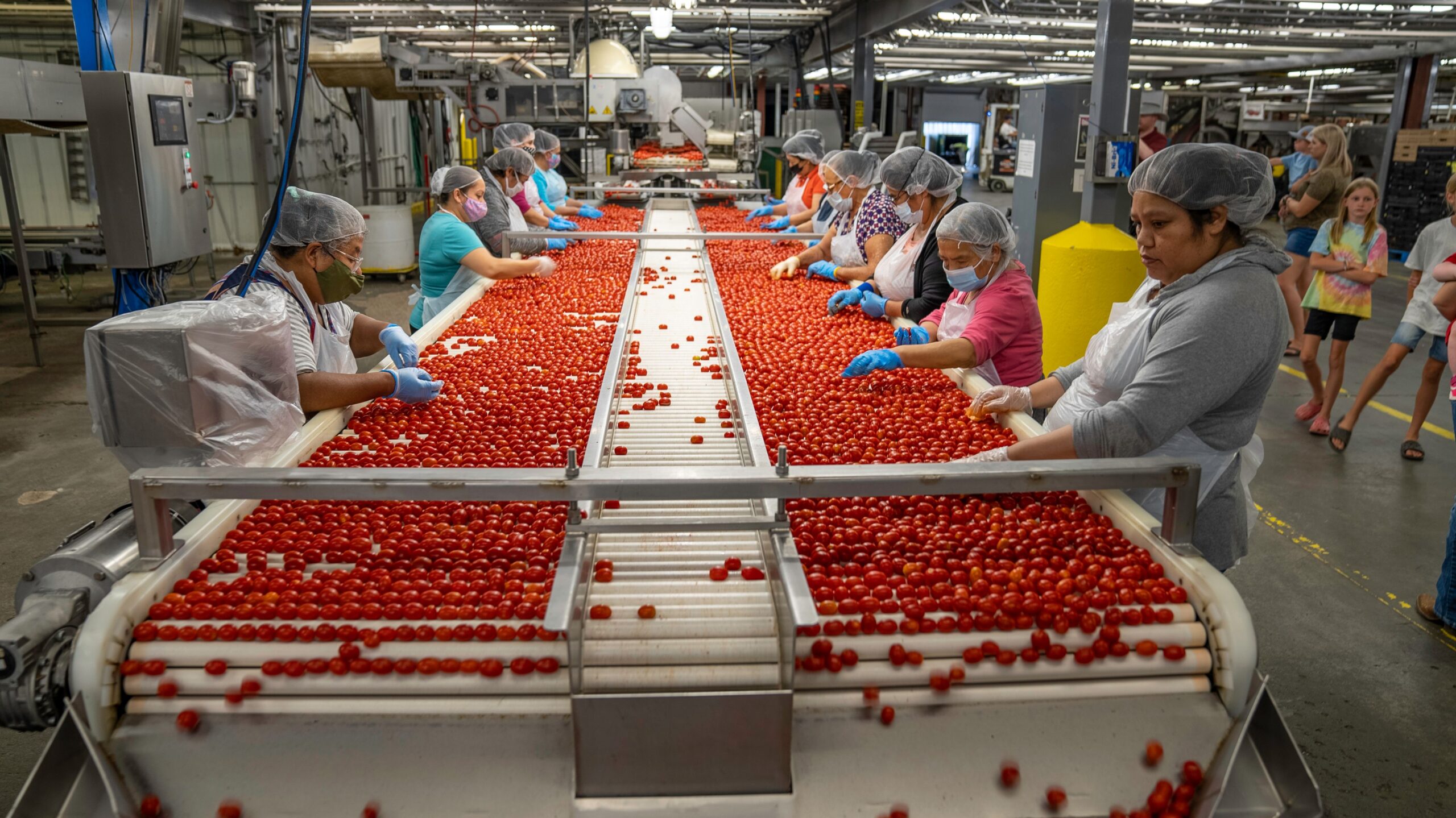
Walk through a food manufacturing facility after cleaning and the obvious areas may look spotless. Floors have been washed, work surfaces have been cleaned and visible food residue has disappeared. Yet the places that are hardest to keep clean are often not the ones that immediately catch the eye.
Food particles, oils, powders and moisture have a habit of travelling. They settle beneath equipment, collect around fittings and reach spaces that routine cleaning may struggle to access. Add continuous production, moving machinery, storage systems and busy staff areas and cleaning becomes as much about understanding the facility as cleaning what can be seen.
The hardest areas are usually difficult for one of three reasons. They are hard to access, easy to overlook or repeatedly exposed to contamination during normal production. Recognising these areas can help manufacturers develop cleaning routines around how their facility actually operates.
Beneath and Behind Processing Equipment
Large processing equipment creates natural blind spots. A machine may appear clean from the production side while ingredients and moisture have found their way underneath or behind it.
Consider what happens during a normal shift. A small amount of product falls from the line. Water carries some of it towards the base of a machine while smaller particles settle beneath components that cannot be reached easily. The visible spill is cleaned but material underneath may remain.
Equipment legs, wheels, cables, bases and wall junctions can make access even more difficult. The problem is not necessarily poor cleaning practice. Sometimes equipment placement means the area cannot be reached properly without changing the usual cleaning method.
Cleaning plans should therefore consider the footprint around each machine rather than focusing only on its visible surfaces. Looking at where ingredients are most likely to fall or flow can reveal areas that deserve closer attention.
Conveyor Belts Are More Than the Belt
Conveyor systems can be deceptive because the belt itself is highly visible. When the belt looks clean it is tempting to assume that the conveyor has been dealt with.
The structure beneath it tells a different story. Rollers, supports, frames and connection points can catch crumbs, powders and other food material as products move along the line. Residue may also settle on the floor directly underneath.
A useful inspection involves looking at the conveyor from several angles rather than standing above it. What can be seen from underneath or from the side may be very different from what is visible at normal working height.
The challenge becomes greater where several components sit close together. These confined spaces need to be considered when cleaning procedures are developed so that attention does not stop at the easiest surface to reach.
Drains and the Areas Leading Towards Them
Drains are another obvious cleaning point but the challenge extends beyond the drain opening. The surrounding floor and the path that water takes towards the drain can also collect residue.
During washing food particles may move with water across the floor. Some reach the drain while others become trapped around covers, edges or changes in the floor surface. This can leave small deposits even when the area initially appears clean.
The tendency to treat water flow as cleaning can create another problem. Moving residue towards a drain is not the same as removing it from the environment. Solid material still needs appropriate attention.
Drain cleaning should therefore consider the entire surrounding zone. Covers, edges, nearby floor junctions and the route used by wastewater all deserve inspection.
Floor Edges, Corners and Wall Junctions
The centre of a production floor usually receives plenty of attention because it is visible and accessible. The edges are more complicated.
Residue can gather where the floor meets a wall or where fixed equipment interrupts an otherwise open surface. Fine powders are particularly good at finding these spaces. They can travel through the immediate production area and settle somewhere that appears unrelated to the original task.
These details are important when assessing food manufacturing cleaning services because a standard approach cannot account for every building layout. The cleaning process needs to respond to the physical environment and the type of ingredients handled within it.
A useful habit is to inspect from floor level occasionally rather than always looking down from standing height. Changing the viewing angle can make residue around bases and edges much easier to notice.
Overhead Pipes, Beams and High Surfaces
Some of the hardest areas to clean are above the production line rather than underneath it. Pipes, beams, ledges, light fittings and the tops of tall machinery can sit outside normal sightlines.
Airborne dust and fine ingredient particles can gradually settle on these surfaces. Because they are not at eye level they may not attract attention during everyday cleaning checks.
There is also a sequencing challenge. Cleaning an overhead structure after the surfaces below have already been completed can cause dust or loosened material to fall onto a clean area.
High level surfaces therefore need to be considered when cleaning schedules are planned. The order in which areas are cleaned can be just as important as identifying which surfaces require attention.
Mixing and Ingredient Transfer Points
Where ingredients are poured, measured, mixed or transferred there is greater opportunity for material to escape the intended process.
A powder may create fine airborne particles while a liquid can drip down the outside of a container. Oils and thicker ingredients may leave residue around handles, equipment bases or transfer points that is not immediately noticed.
The hardest areas are often just beyond the main working surface. The preparation bench may be cleaned thoroughly while the floor underneath, the side of a nearby machine or the base of a storage container receives less attention.
Watching the process while production is running can reveal where these problems originate. Instead of asking only where dirt is found it is useful to ask how it reached that location. That question can lead to a much more targeted cleaning routine.
Cold Rooms and Chilled Storage Areas
Cold rooms present a different challenge because access changes constantly as stock moves in and out. Shelving, pallets and containers can hide sections of flooring and wall surfaces for extended periods.
Moisture also needs consideration. Condensation or liquid from stored products can reach floor edges, shelving supports and areas near doors. These locations may be difficult to inspect when the room is full.
Door seals deserve particular attention because their folds and edges are not always visible during a quick check. The same applies to the spaces underneath shelving where debris can remain hidden behind stored products.
Coordinating deeper cleaning with stock movement can improve access. When a pallet or container is removed there is an opportunity to inspect the newly exposed area before another item takes its place.
Storage Racking and Pallet Areas
Dry storage may seem less demanding than a wet production area but it has its own hidden spaces. Packaging fragments, dust and small ingredient spills can collect underneath pallets or along the bases of storage racks.
The main obstacle is often access rather than the type of residue. Stock may remain in the same position for long periods which means the floor underneath cannot be cleaned as easily as an open walkway.
Cleaning can work more effectively when it follows inventory movement. Empty rack positions and recently moved pallets provide natural opportunities to inspect areas that are usually covered.
This approach also helps prevent the storage zone from becoming disconnected from the cleaning standards applied to production areas.
Waste Handling Points and Waste Routes
The waste room is not the only place where waste related cleaning matters. The entire journey from production to disposal deserves consideration.
Bins and containers can collect residue on handles, lids, wheels and bases. Material may also fall onto the floor when waste is transferred or when containers are moved through the facility.
This means the route taken by waste can become a cleaning concern in its own right. Floors, doors and handling equipment along that route may require more attention than surrounding spaces.
Looking at waste as a movement process rather than a single destination helps identify these less obvious contact points.
Loading Areas and Entry Points
Loading zones create a meeting point between the controlled facility and the outside environment. People, pallets, trolleys and deliveries move through these spaces throughout the day.
Cleaning is difficult because the area may rarely be completely empty. Packaging fragments, dirt and debris can accumulate around doorways, loading equipment and temporary storage locations while operations continue around them.
Entry points can face similar pressure. The floor directly inside a doorway may need different attention from a quiet internal corridor because it experiences repeated movement from outside.
Rather than treating loading areas as peripheral spaces it is useful to include them in the wider cleaning plan. What enters through these areas can eventually move further into the facility.
Staff Changing and Transition Areas
Food manufacturing cleanliness is influenced by more than machinery and ingredients. People move continuously between changing rooms, hand washing points, production areas and other parts of the facility.
These transition areas contain their own difficult surfaces. Locker bases, benches, footwear storage areas and floor edges may be obstructed for much of the day. Frequent use can also make thorough cleaning difficult during operating hours.
The important point is connection. A changing area should not be viewed as an isolated room simply because food is not produced there. It forms part of the route employees use to enter and leave controlled working areas.
Understanding staff movement can therefore help determine which surfaces need attention and when cleaning can be carried out most effectively.
The Hardest Area May Be the One Nobody Notices
There is no universal answer to which part of a food manufacturing facility is hardest to keep clean. The answer depends on what is produced, how ingredients behave, where equipment is positioned and how people and materials move through the building.
A bakery working with flour may struggle with fine particles settling in distant corners and overhead spaces. A facility handling liquids may need greater attention around drains, equipment bases and floor junctions. A chilled operation may find that condensation and restricted access around stored products create its biggest challenges.
This is why effective cleaning begins with observation rather than assumption. Follow the movement of ingredients. Look underneath equipment. Check what happens when stock is moved. Consider where water travels and watch the route taken by waste.
The most difficult cleaning problems often develop outside the obvious working surface. Once those hidden areas are understood cleaning becomes less about reacting to visible mess and more about managing the facility as a complete working environment.









Be First to Comment