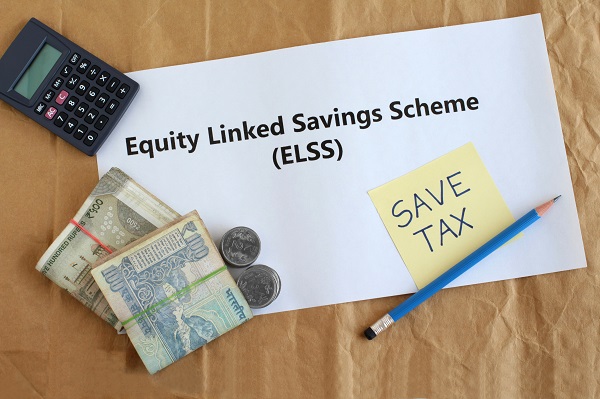
Tax planning is an important part of financial management for many investors. Among the available options, Equity Linked Savings Schemes (ELSS) are commonly considered for tax-saving purposes under Section 80C. At the same time, investors may also want to understand how their investments could grow over time. This is where an ELSS calculator becomes useful. It helps estimate potential returns along with tax-saving benefits, allowing investors to plan their investments in a more structured and informed manner. This article explains how ELSS funds work, how an ELSS calculator functions, and how it may support tax-saving and investment planning.
What Is ELSS?
Equity Linked Savings Scheme (ELSS) is a type of mutual fund that primarily invests in equity and equity-related instruments. It is known for offering tax benefits under Section 80C of the Income Tax Act, where investments up to ₹1.5 lakh may be considered for deductions.
ELSS funds also come with a lock-in period of three years, which is generally shorter compared to some other tax-saving instruments. The returns depend on market performance and the duration of investment.
What is an ELSS Calculator?
An ELSS calculator is an online tool used to estimate the future value of investments made in ELSS funds. It takes inputs such as investment amount, expected rate of return, and investment duration.
This tool provides an approximate idea of how the invested amount may grow over time while also helping investors understand the tax-saving aspect. It is commonly used for planning both investment growth and tax efficiency.
How Does an ELSS Calculator Work?
The ELSS calculator works on a few basic inputs. The following is a simple overview of how an ELSS calculator works.
- Investment Amount: This refers to the amount invested in ELSS funds. The calculator uses this as the base to estimate future growth.
- Expected Rate of Return: An assumed rate of return is applied to estimate how the investment may grow. This rate is indicative and may vary based on market performance.
- Investment Duration: This refers to how long the investment remains invested. Although ELSS has a minimum lock-in period, investors may choose to stay invested for longer durations.
- Compounding Effect: The calculator applies compounding, where returns are reinvested over time. This may influence the overall estimated value of the investment.
Why Do Investors Use an ELSS Calculator?
The following are some simple reasons why investors use an ELSS calculator.
- Estimate Investment Growth: It helps in understanding how ELSS investments may grow over a specific time period based on assumed returns.
- Plan Tax Savings: Investors may use it to estimate how much of their investment could be considered under tax-saving limits.
- Compare Scenarios: The calculator allows users to change their investment inputs and compare different outcomes, which may provide more clarity in planning and help make informed financial choices.
- Support Financial Planning: It provides structured estimates that may help in aligning investments with financial goals.
Steps to Use an ELSS Calculator
The following steps provide a simple overview of how to use an ELSS calculator.
- Enter Investment Amount: Investors input the amount they plan to invest in ELSS funds.
- Input Expected Return: An assumed rate of return is entered based on expectations or general market trends.
- Select Investment Duration: The number of years for which the investment is expected to remain is selected.
- View Estimated Results: The calculator provides an estimated future value based on the entered details.
- Adjust Inputs: Investors may change values to compare different scenarios and understand possible outcomes.
Tax Benefits of ELSS
The following are some general points related to the tax benefits of ELSS.
- Investments up to ₹1.5 lakh may qualify for deductions under Section 80C.
- ELSS funds have a lock-in period of three years.
- Returns may be subject to applicable tax rules based on prevailing regulations.
Where to Find ELSS Calculators
ELSS calculators are commonly available on financial websites, investment platforms, and mobile applications. These tools are often provided free of cost and are be simple to use for basic investment planning.
Investors may also find such calculators within a Demat account app, where they are usually integrated with other investment tools and features. This allows users to estimate returns while exploring mutual fund options within the same platform.
Things to Consider Before Investing in ELSS
The following are some general points investors may consider.
- Market-Linked Returns: Returns generally depend on equity market performance and may vary over time.
- Lock-In Period: ELSS investments come with a mandatory lock-in period of three years.
- Investment Horizon: A longer investment duration may influence potential growth outcomes.
- Risk Awareness: Being equity-oriented, ELSS funds may carry market-related risks.
Conclusion
An ELSS calculator is a simple tool that helps investors estimate the potential growth of their tax-saving investments while understanding possible benefits under Section 80C. It provides indicative results based on assumptions and supports structured planning. As digital tools continue to become more accessible, investors may find it easier to plan both tax savings and investment growth. Platforms such as Yes Securities may offer access to such tools and investment options, helping individuals approach financial planning in a more organised and informed manner.




Be First to Comment