Mawlynnong in Meghalaya is known as India’s cleanest village. It wasrecognized as Asia’s cleanest in 2003 by Discover India magazine, due to its community-driven waste management, plastic bans and eco-practices.
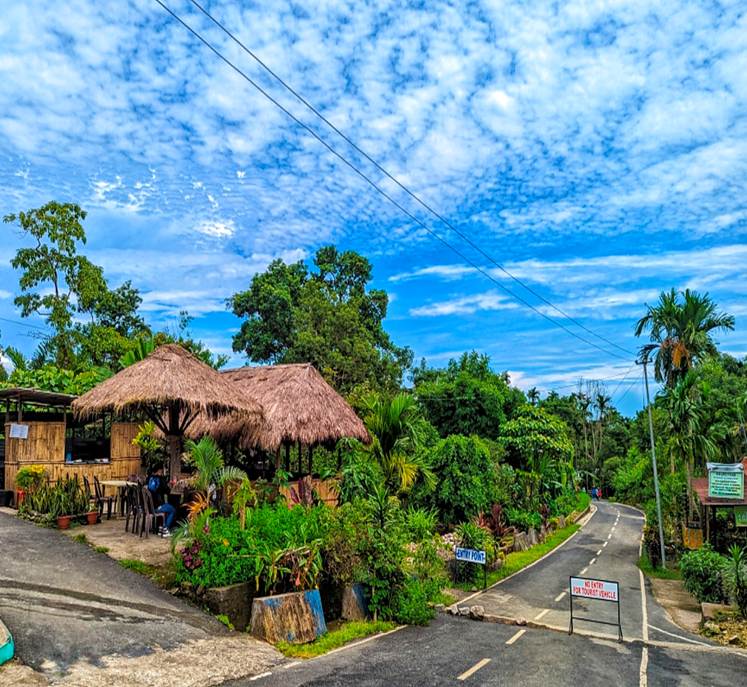
What is the Location and History of Mawlynnong?
This village is located in the ‘East Khasi Hills‘ district of Meghalaya, which is about 90 kilometers away from Shillong. Due to being loaded with lush green forests, hills, rocks and creatures, Mawlynnong is a gem of earth. The village is quite close to the border of Bangladesh, so from a few viewpoints, one can even see the plains of Bangladesh.
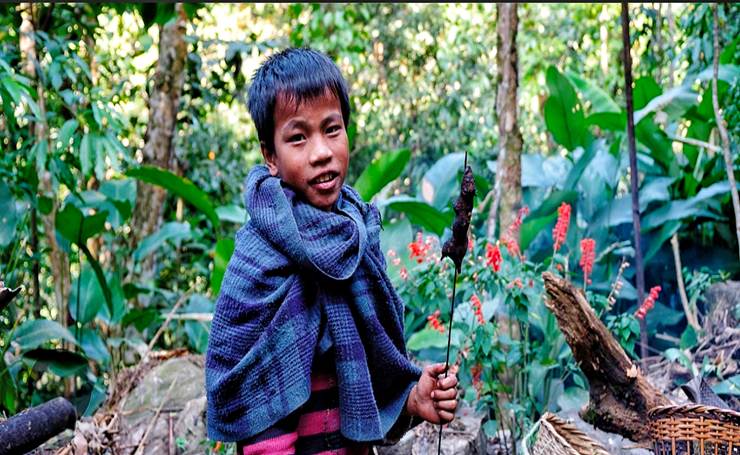
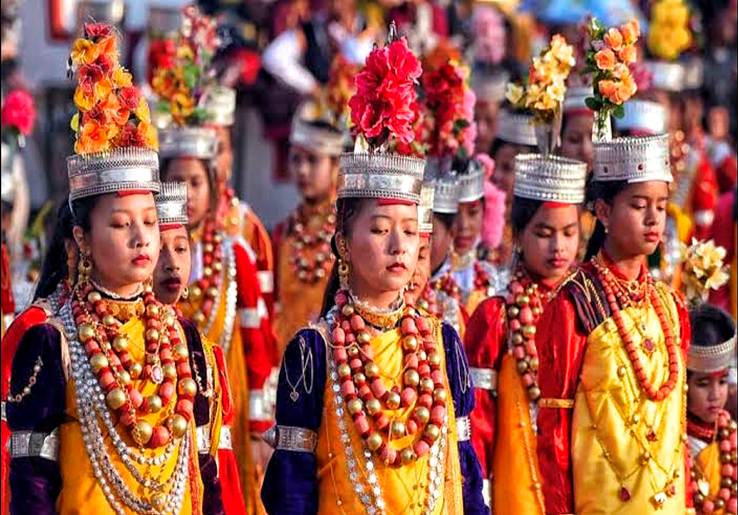
The people of Mawlynnong mostly belong to the ‘Khasi tribe’. They are known for their ‘matrilineal society’ which means the family line passes from the mother’s side instead of the father’s side. Children take their mother’s surname, and property often belongs to the women in the family. The Khasi people also have high literacy rates and a strong sense of community, meaning they believe in helping each other and working together.
An Incident that transformed the Village’s picture-:
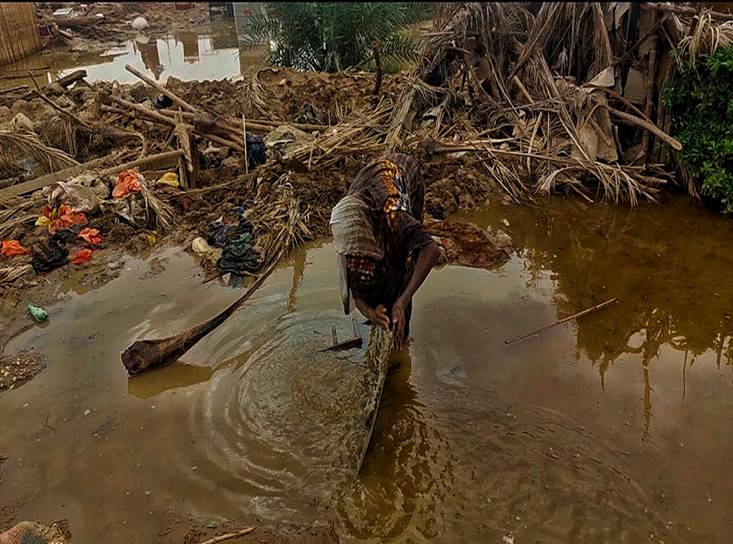
Many years ago, the village suffered from a cholera outbreak, which is a dangerous disease caused by dirty water. This made the villagers understand how important cleanliness is for health and safety. After this incident, the people became very careful about hygiene. They started cleaning daily, keeping water sources safe, and making sure garbage did not collect anywhere. Over time, these habits became traditions, and today these traditions are followed by every single villager, young and old.
What are the Daily Cleanliness Habits followed by the people and authorities of this village?
One of the most important reasons Mawlynnong stays very clean is due to the collective contribution towards the nature every single day. Cleanliness is not just a rule—it is the way of living adopted by the people of Mawlynnong.
- Two times sweeping in a single day
- Children Learn Cleanliness Early
- Bamboo Dustbins Everywhere
- Waste Segregation
- Plastic Ban in 2003
- A No-Smoking Zone
1. Two times sweeping in a single day –
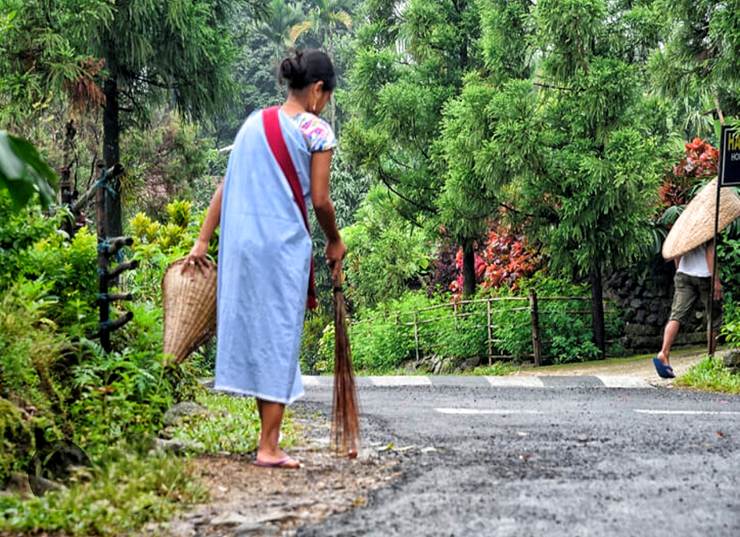
People sweep the roads, paths, and open areas two times daily—once in the morning and once in the evening. This makes sure that there is never a pile of trash or dirt left anywhere.
2. Children Learn Cleanliness Early
Children are taught from a young age to keep their environment clean. On their way to school, if they see any litter, they pick it up and put it in a dustbin. They also help in small cleaning activities. This helps them grow up with strong habits of discipline and respect for nature.
3. Bamboo Dustbins Everywhere
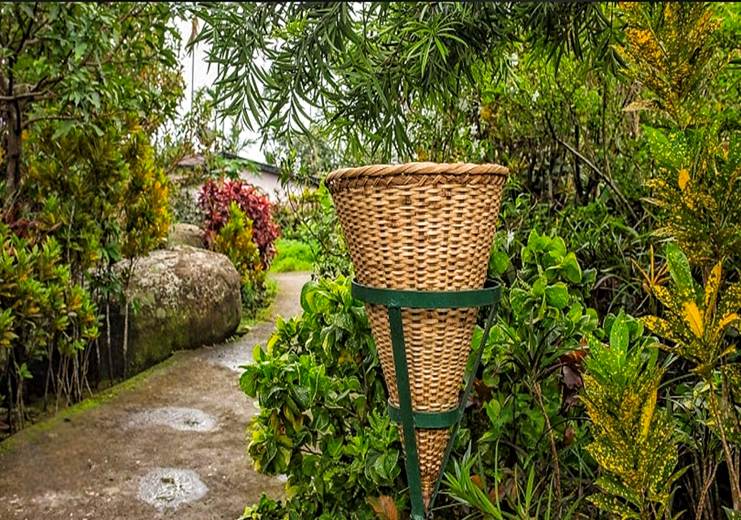
The village has bamboo baskets used as dustbins placed all around. Bamboo is found locally, so these dustbins are natural, biodegradable, and blend beautifully with the surroundings. Visitors are also expected to throw trash only in these dustbins.
4. Waste Segregation
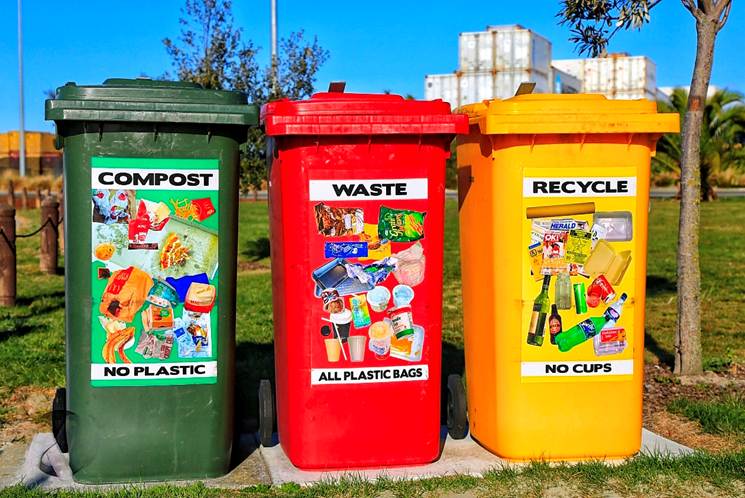
The villagers separate waste into two types:
- Organic waste (food items, leaves, plant parts) is put into compost pits. This becomes natural fertilizer for farms and gardens.
- Inorganic waste (like metal or glass) is collected separately and taken to places far from the village for safe disposal.
5. Plastic Ban in 2003

Mawlynnong has completely banned plastic bags and single-use plastic items. If someone is caught using plastic, they may have to pay a fine. Because of this, most shops and homes use bamboo products, cloth bags, or other eco-friendly materials.
6. A No-Smoking Zone
Smoking is not allowed anywhere in the village. The villagers believe that smoking not only harms health but also harms the fresh air and nature around them.
These rules are not forced—they are followed because the community respects them deeply.
Eco-Friendly Systems and Natural Innovations
Even though Mawlynnong is small, the village uses many smart and eco-friendly ideas:
1. Rainwater Harvesting
The area gets a lot of rain, so people have created stone basins and bamboo pipes to collect rainwater. This water is used for drinking, cooking, and gardening. It helps them save water and stay self-sufficient.
2. Biodegradable Toilets
Before India started big sanitation programs, Mawlynnong already had biodegradable toilets. These toilets do not harm the soil or water. They break down waste naturally and help keep the environment healthy.
3. Living Root Bridge
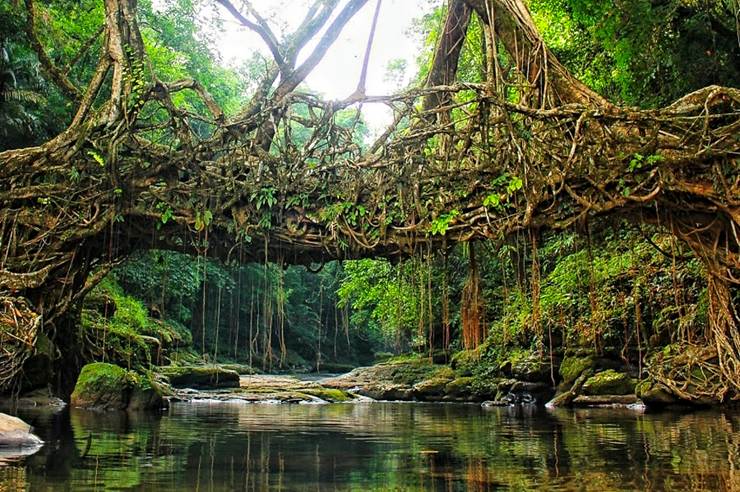
One of the most beautiful features of Mawlynnong is the living root bridge. This bridge is made from the roots of rubber trees. The villagers guide the roots over many years until they form a strong, natural bridge. These bridges can last for more than 500 years and show how humans and nature can work together.
4. Creative Reuse
People in the village do not like wasting anything. Even plastic bottles, when found, are reused as plant holders or decorations. Broken items are repaired or turned into something new instead of being thrown away.
Community Involvement and Education
Mawlynnong works smoothly because of strong community participation.
The village holds meetings to discuss cleanliness, tourism, and village development. Women’s groups and youth groups also play important roles. Everyone’s opinion matters.
Schools Teach Cleanliness
Schools in Mawlynnong do not just teach subjects like math, science, and English. They also teach children about:
- hygiene
- respect for nature
- waste management
- the importance of helping each other
These ideas encourage children to grow into responsible adults who care for their village.
Tourism and Its Benefits
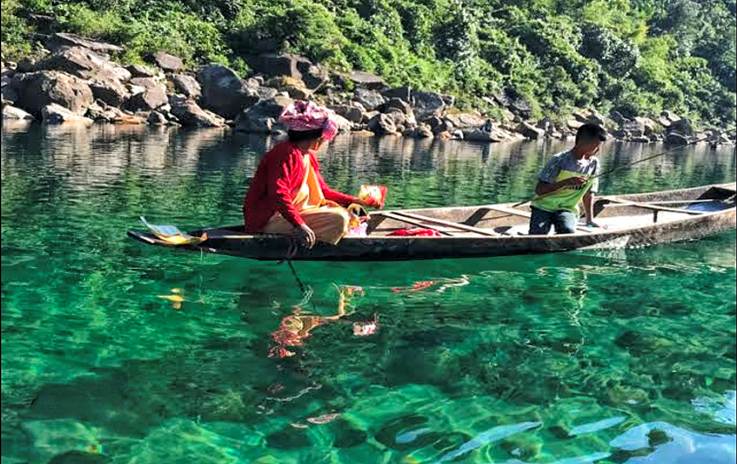
Today, many tourists visit Mawlynnong to enjoy its beauty. Some attractions include:
- The Sky View Tower, which lets people see the plains of Bangladesh
- The living root bridges
- Clean stone pathways and flower gardens
- Traditional Khasi houses
Tourism brings money to the village. Families run homestays, small food stalls, and shops. The money earned is used for improving the village—repairing roads, maintaining gardens, and helping community projects.
Awards and National Praise (Recognition)
Mawlynnong has received several awards, such as the Nirmal Gram Puraskar, for its hygiene and sanitation practices. Many leaders and environmental groups have praised the village for being a role model.
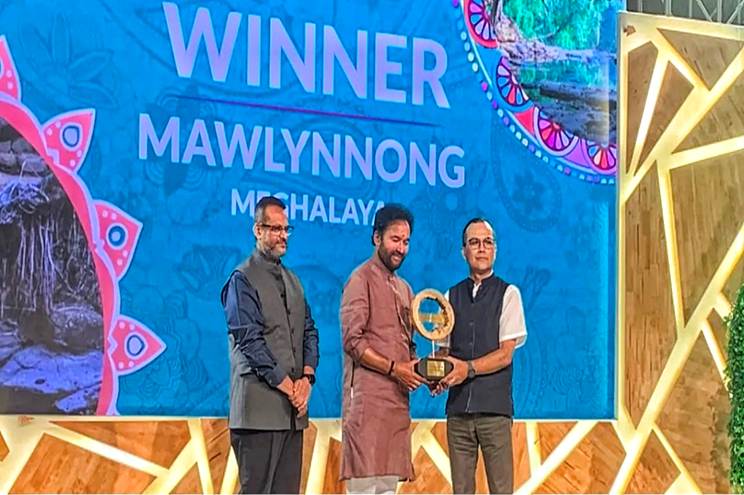
Because of its success, many other villages in India try to copy Mawlynnong’s methods.
- 2003: Asia’s cleanest village by Discover India.
- 2005: India’s cleanest; praised by PM Modi in 2015-2016.
- Post-cholera outbreak (130+ years ago): Cleanliness became cultural norm.
- Swachh Bharat integration; Nirmal Gram Puraskar.
- PM Modi’s endorsements as national model.
Challenges Faced by the Village
Even though the village is very successful, it has some challenges:
- More tourists mean more waste, so villagers must work harder.
- Some visitors do not follow rules.
- Too much tourism might disturb the village’s peaceful culture.
- Maintaining natural systems requires constant teamwork.
But the villagers are determined to protect their home.
Learnings to adopt from Mawlynnong to keep your locality clean -:
Mawlynnong teaches the whole country that:
- Cleanliness is easy when everyone works together.
- Children should learn about nature from an early age.
- Plastic bans can make a big difference.
- Eco-friendly tourism helps villages grow.
- Respect for nature leads to a healthier life.
A few additional points to know about India’s cleanest village- Mawlynnong-:
- Many houses have small bamboo dustpans and brooms kept outside for guests to use.
- The village has strict rules for tourists: no littering, no plucking flowers, and no damaging plants.
- Most homes have beautiful gardens, making every lane look colorful.
- People avoid cutting trees unless necessary.
- The villagers protect water sources by keeping them away from garbage.
- Almost every house has a compost pit to reduce waste.
- Even during festivals, the villagers make sure no trash is left behind.
Conclusion
Mawlynnong is more than just the cleanest village in India. It is a shining example of how a community can keep nature beautiful with unity, respect, and love. The people of this small village show the whole world that cleanliness does not need machines or big money—it needs discipline, care, and teamwork. As India works toward becoming cleaner and greener, Mawlynnong stands as a bright guide, showing what is possible when people and nature live together happily.





Be First to Comment