
The last decade of your professional career is critical. You’ll be at the top of your game, which means you’ll have the biggest opportunities to invest and plan for your retirement. Just because you have the most opportunity now, however, doesn’t necessarily mean you know how to make the most of it. That’s why it’s so important to follow these practical financial steps, and to start today:
Work with a Professional Financial Planner
A financial planner is the only sure-fire way to get personalized advice and guidance that’s specific to your individual financial situation, all while maximizing the current opportunities in your exact state. They will help you maximize your investments, retirement planning, and even understand what you need to better manage your retirement in the coming decade. There’s no online guide that can replace individualized financial planning advice, and there’s no better time to start than today.
Pay Down Debts
One piece of advice that is going to be universal, however, no matter where you live, is to work hard to pay off any remaining outstanding debts. This could be already in motion. If your mortgage is set to be paid off in the next few years, then you’re already on track. You’ll also want to look into strategies to minimize, if not remove, any outstanding credit card, medical, or student debts you may still have. If in doubt, go to a debt manager who can help negotiate your debts down on your behalf, giving you less to pay off than you started with and a strong strategy to get rid of them before you retire.
Maximize Retirement Contributions
You can pay more into your retirement contributions during the last decade than you did beforehand. These are known as catch-up contributions, and they are available to anyone who is over the age of 50. You can even make additional contributions if you are between the ages of 60 and 63.
These contribution limits change year on year, so check what the latest limits are and make sure you try to maximize what you can to make the most out of your retirement planning.
Identify Passive Income Opportunities
While you’ll have your pension after you retire, this may not be enough to cover your expenses. That’s why it’s important to identify passive or alternative income streams that are easy to manage after you retire without taking on full-time hours to commit to them. For example, if you live in a desirable area, you could rent out a spare room or even build a guest house to manage as an Airbnb or Bed and Breakfast. You could alternatively rent out the entire property after you retire and move somewhere smaller, using that rental income to cover your own living expenses and using your pension for trips, gifts, and other quality-of-life improvements instead.
Start Minimizing Your Outgoings
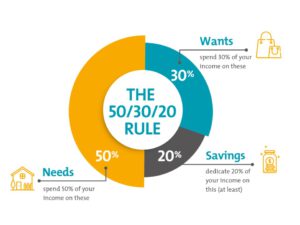
Working with a financial and retirement planner can help you understand, realistically, how much you can safely take out of your retirement pension per year. Use this as a starting point to minimize your outgoings and optimize your costs. Some efforts are easy, like switching providers, while others come with a quality-of-life shift. You don’t need to immediately “downgrade” your life, either. Simply identify where you can reduce spending once you switch to a retirement income, so you know immediately how to live comfortably throughout your retirement.




Be First to Comment