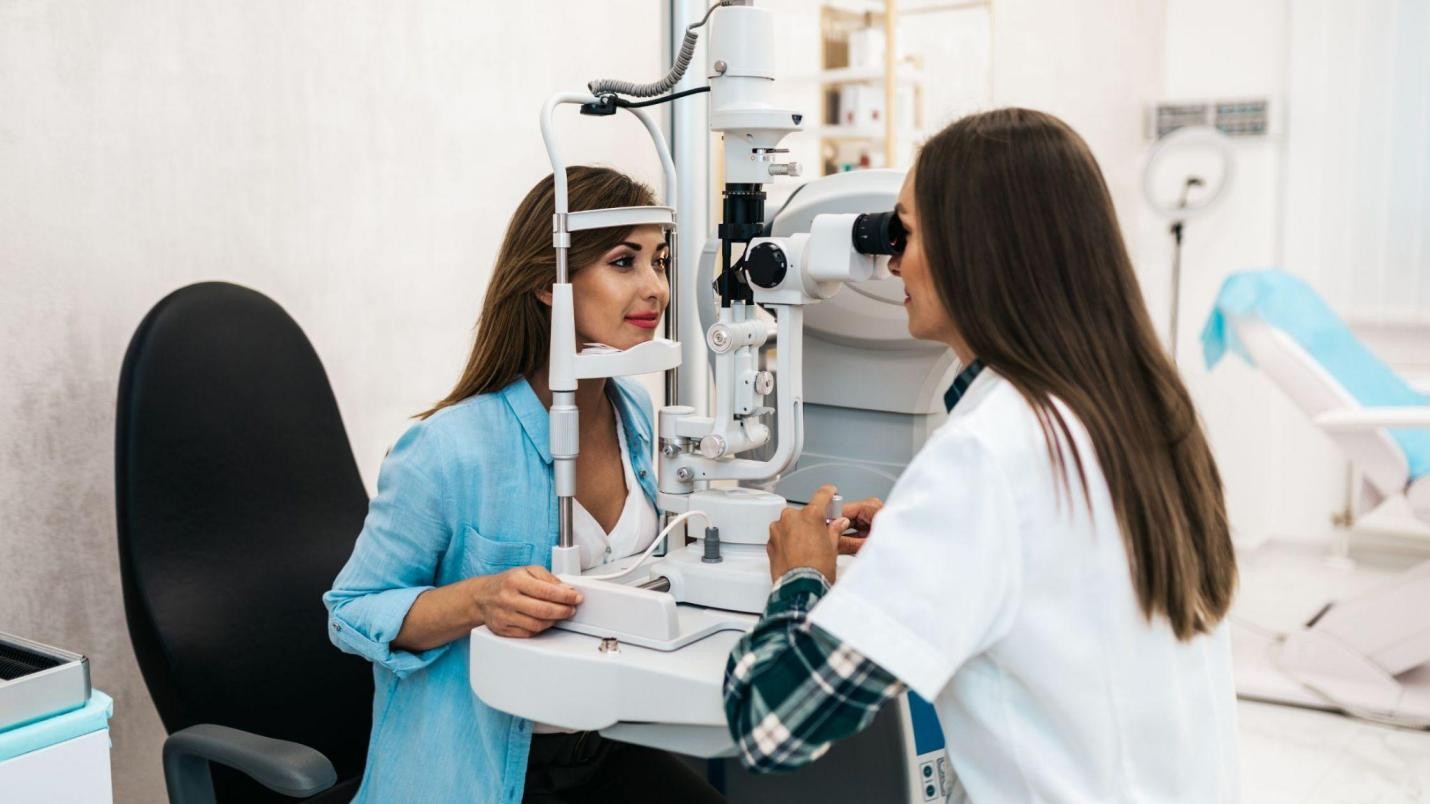
Choosing the right place for eye care can shape both your comfort and your treatment experience. A dependable hospital should provide complete eye care, from diagnosis and treatment to follow-up support. It should bring together skilled specialists, reliable testing, safe facilities and clear guidance.
Since eye conditions can affect work, driving, reading and independence, taking time to assess the hospital carefully helps you make a confident decision without feeling rushed or uncertain about such important personal care.
Here are the factors that can help you choose suitable eye care confidently.
Check the Hospital’s Eye Care Expertise
An eye hospital should have experience in managing routine concerns as well as complex conditions. Strong clinical expertise often reflects organised processes, specialist support and a clear approach to diagnosis, treatment planning and follow-up care.
Evaluate the Qualifications of Eye Specialists
The qualifications and experience of specialists should carry more weight than convenience alone. While an eye hospital near me can make follow-up visits easier, patients should still check the doctors’ training, expertise and communication approach.
Look for Advanced Diagnostic Technology
The best eye hospital should use dependable diagnostic systems for examining the cornea, retina, optic nerve and eye pressure. Detailed testing can help specialists identify changes early and plan suitable care with greater accuracy.
Assess the Range of Eye Treatments Available
A well-equipped eye care hospital should manage common vision problems, cataracts, glaucoma, retinal conditions and corneal concerns under one roof. A wider treatment range also makes specialist referrals and follow-up more convenient.
Review Hospital Infrastructure and Safety Standards
Clean consultation areas, organised operating theatres, proper sterilisation and trained support staff all matter. Good infrastructure improves overall patient comfort, while strong safety practices support careful examinations, procedures and recovery.
Consider Emergency Eye Care Availability
Sudden vision loss, eye injuries, severe pain or chemical exposure may need immediate attention. Check whether the hospital can handle urgent cases promptly and whether suitable specialists are available when unexpected problems arise.
Compare Patient Reviews and Success Rates
Patient feedback can reveal how well the hospital communicates, manages appointments and supports recovery. Where reliable information is available, ask how treatment outcomes are recorded rather than judging quality through isolated reviews.
Check Accessibility, Cost and Insurance Support
Location, transport access, appointment availability and transparent billing can make treatment easier to manage. It also helps to ask about insurance assistance, cashless facilities and expected costs before planning any procedure.
Conclusion
A suitable eye hospital should combine medical expertise with thoughtful patient care. Look beyond reputation alone and consider specialist qualifications, diagnostic quality, treatment options, safety standards, emergency support and practical convenience.
Clear communication is equally important, especially when decisions involve surgery or long-term follow-up. By checking these factors calmly, you can choose a hospital that supports both your eye health and your peace of mind with confidence at every stage.
FAQs
1. How can I tell whether an eye hospital is reliable?
Check the specialists’ experience, diagnostic facilities, safety practices, treatment options and patient support. Clear communication and transparent guidance are also strong signs of dependable care.
2. Should location be the main factor when choosing an eye hospital?
Location matters for regular visits and emergencies, but it should not outweigh medical expertise. Choose a hospital that balances accessibility with qualified specialists and suitable facilities.
3. Why is advanced diagnostic technology important in eye care?
Modern diagnostic tools help doctors examine different parts of the eye closely. This supports earlier detection, clearer treatment planning and better monitoring of changes over time.




Be First to Comment